Ebola in DRC: Deadliest outbreak on record ‘outpacing the response’
Eve Irvine is pleased to welcome WHO Spokesperson Tarik Jašarević. His central concern is that we do not yet know where all the places the Ebola virus is circulating: infected people remain outside treatment centres, transmission chains go undetected, and patients who seek care too late face much poorer chances of survival. Conflict, population mobility and other humanitarian pressures make…
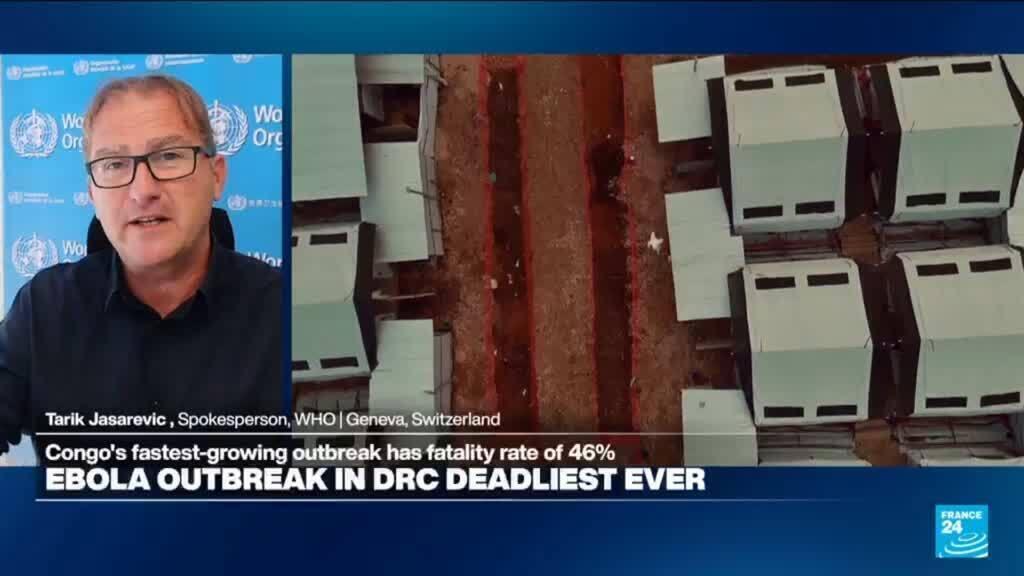
The Ebola outbreak in the Democratic Republic of Congo (DRC) has now reached its deadliest level in the country's history, with death toll surpassing 2,300 as of August 18, 2026. The World Health Organization (WHO) reports that the outbreak is on track to surpass the 2014-16 outbreak in West Africa, which had over 28,616 cases and 11,325 deaths. Confirmed cases stand at 4,945, with 101 new cases identified in the previous 24 hours. Around 1,040 people have recovered, while 730 remain hospitalized or in isolation.
This 17th outbreak in the DRC has spread to six provinces, including Ituri, North Kivu, South Kivu, Haut-Uele, and Tshopo. It was declared a Public Health Emergency of International Concern by the WHO three months ago. The rare Bundibugyo strain of the virus, which has no approved vaccines or treatments, is responsible for the current outbreak. Authorities must rely on identifying cases to check transmission.
The outbreak is further complicated by the ongoing rebel conflict, inadequate health surveillance, deep distrust in authorities, burial practices involving touching the body, and misinformation surrounding Ebola. A recent strike by healthcare workers at the outbreak's epicenter over payment dues has added to the challenges. Health workers face attacks from rebels and crowds, exacerbating the crisis.
The WHO warns that the outbreak is "outpacing the response," with Africa director Dr. Mohamed Janabi stating, "We are chasing the virus, the virus is ahead of us." The UN also warns that the epidemic is now killing one person every 30 minutes. Experts stress the need for rapid detection, contact tracing, and breaking chains of transmission before they spread. WHO Director-General Tedros Adhanom Ghebreyesus expressed concern over the lack of treatment for many patients, who die at home or in their communities.
The WHO is working with local authorities to enhance surveillance and containment efforts, expand treatment centers, and train workers to staff these centers. Clinical trials for potential treatments began earlier, and various firms are evaluating and developing vaccines for the strain. The UN humanitarian chief has allocated an additional $30.5 million and deployed 20 more staff to aid the response on the frontlines, emphasizing the need for speed, scale, and solidarity to contain the virus.
Written by urgent.news from The Hindu - Sci-Tech's reporting — not their text. Machine-written — may contain errors; check the original before relying on it.
This story
This is one outlet's version. Read the fullest account.
- Congo’s fast-moving Ebola outbreak becomes the country’s worst with over 2,300 dead apnews.com
- Congo's fast-moving Ebola outbreak becomes country's worst with over 2,300 dead koreatimes.co.kr
- DR Congo Ebola outbreak ‘far from being under control’ – WHO punchng.com
- DRC authorities warn Ebola outbreak is worst to date and yet to peak rfi.fr
- Ebola outbreak could be contained within 3 months - WHO rte.ie
- Congo's fast-moving Ebola outbreak becomes the country's worst with over 2,300 dead medicalxpress.com
- DRC’s latest deadly Ebola outbreak | Explained thehindu.com
- Congo’s fast-moving Ebola outbreak becomes the country’s worst with over 2,300 dead winnipegfreepress.com