E. coli in drinking water, just 11% stations have all basic amenities: Why CAG is concerned
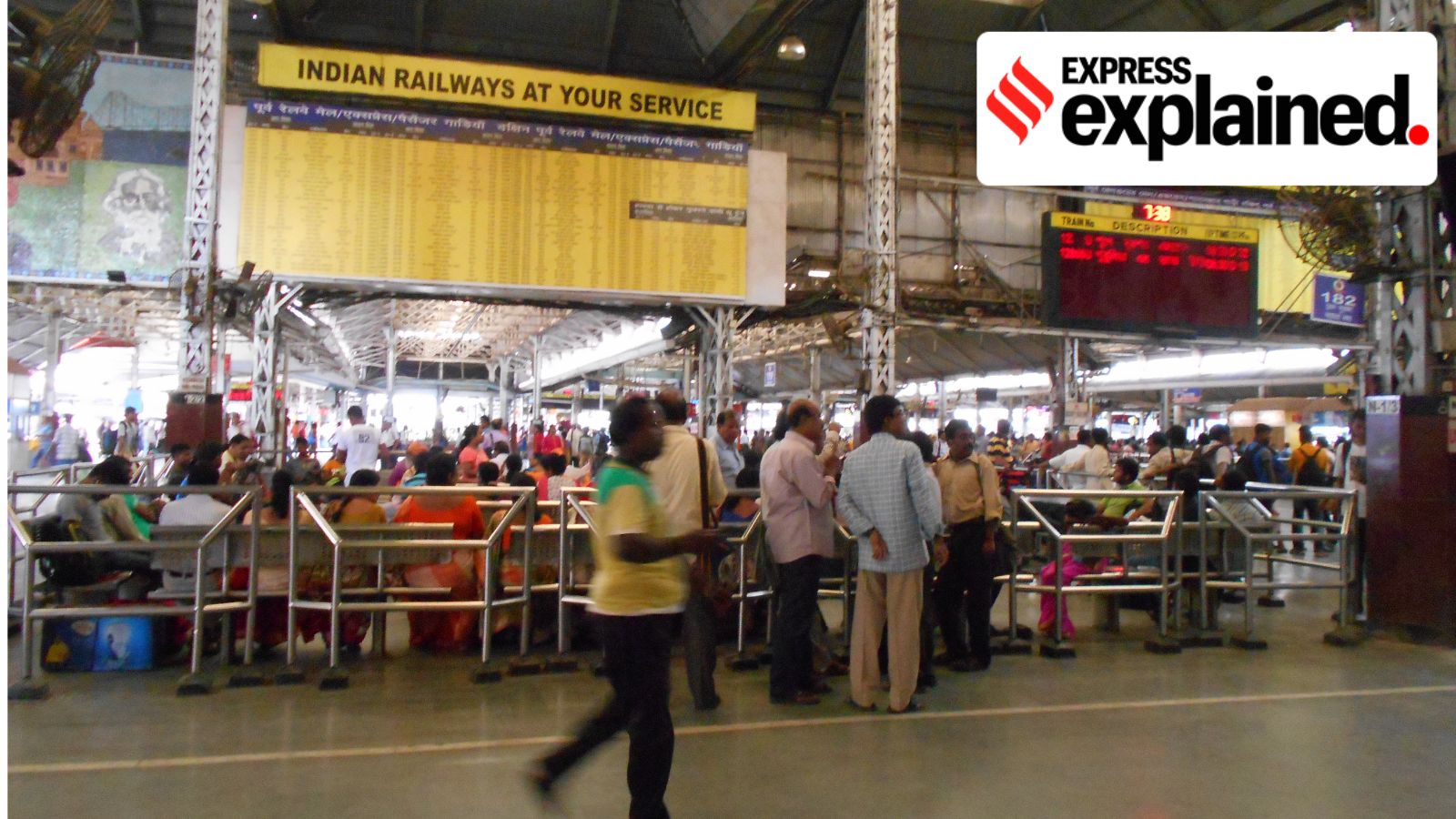
A recent CAG report has raised concerns about the quality of facilities at Indian railway stations, particularly the provision of basic amenities and the safety of drinking water. According to the audit, only 11% of non-suburban stations inspected had all minimum essential amenities (MEA) in place as per government guidelines. Major stations with high revenues and passenger volumes were found lacking in basic facilities such as drinking-water taps, seating, urinals, toilets, waiting halls, water coolers, fans, clocks, platform shelters, public-address systems, parking areas and electronic train indicator boards.
Even after more than two decades of implementing MEA norms, 89% of stations were found deficient in these essential amenities.
The report also highlighted significant lapses in the quality of drinking water at stations, with E. coli bacteria detected in water samples from coolers at various locations, including Coimbatore, Palakkad Junction, Hyderabad, Chhatrapati Shivaji Maharaj Terminus, Bhiwandi Road, Kalyan, Lonavala and Madhupur. Furthermore, maintenance issues such as rag picking, pest and rodent control, sewage discharge and upkeep of toilets and bathrooms were also found to be inadequate.
Complaints related to cleanliness, water availability and medical assistance had increased over the past few years, with 37% of passengers dissatisfied with the resolution of their complaints in 2022-23 and 42% in 2023-24. The Zonal Railway Users Consultative Councils (ZRUCCs) and Divisional Railway Users Consultative Councils (DRUCCs), responsible for monitoring passenger amenities, were found to be meeting less frequently than required, causing delays in addressing reported issues.
Despite an annual expenditure of around Rs 700 crore on station sanitation, there was an underutilisation of funds by as much as 44% during the period of 2019-20 to 2023-24. The report calls for corrective measures, including the installation of new water filtration systems, scheduled cleaning and maintenance of storage tanks, and periodic publication of progress and water quality reports to ensure transparency.
Written by urgent.news from The Indian Express's reporting — not their text. Machine-written — may contain errors; check the original before relying on it.