Commentary: Sheikh Hasina’s homecoming pledge is a headache for New Delhi
India’s ties with Bangladesh had begun to recover but an old ally might create bigger problems, says this writer from the Australia India Institute.
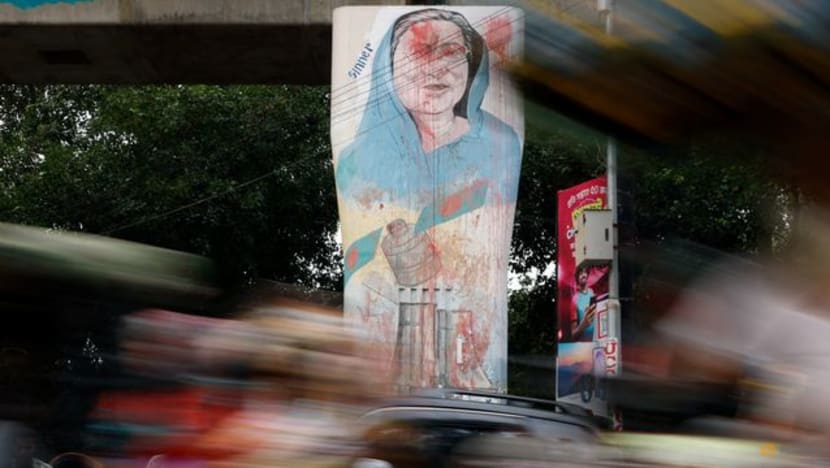
Sheikh Hasina's pledge to return to Bangladesh has the potential to create instability, not just for her home country, but also for India, says the writer from the Australia India Institute. India had been rebuilding its ties with Bangladesh, but the prospect of Hasina's return could create a broader conflict between India and China over influence in Bangladesh.
Hasina fled to India in 2024 after being overthrown by a student-led uprising. She was sentenced to death in absentia by Bangladesh's International Crimes Tribunal for her government's actions during the uprising. Since the February elections, Bangladesh's new government, led by the Bangladesh Nationalist Party, has been trying to restore democratic institutions and revive the economy.
However, they face economic pressures and concerns about media freedom. Hasina's return could destabilize Bangladesh's political transition, and for India, it poses a challenge to its relationship with its neighbor. India's Prime Minister Narendra Modi had a close relationship with Hasina and her party, but since her overthrow, ties have been strained.
India's government invited Rahman to attend the BRICS summit in September, but the latest developments have made his attendance less certain. Bangladesh has repeatedly sought Hasina's extradition, which India has not granted, leading to more tension between the two countries. The timing of Hasina's return is particularly awkward for India, as it could deepen mistrust and push Bangladesh closer to China.
India must decide whether to continue sheltering Hasina or risk further damaging its relationship with Rahman's government.
Written by urgent.news from Channel News Asia's reporting — not their text. Machine-written — may contain errors; check the original before relying on it.