Can you make scars fade? Doctors explain why they form and what works – from silicone sheets to Vitamin E
Dermatologists explain why certain wounds leave more noticeable marks, when scars are easiest to treat, and which over-the-counter remedies actually help.
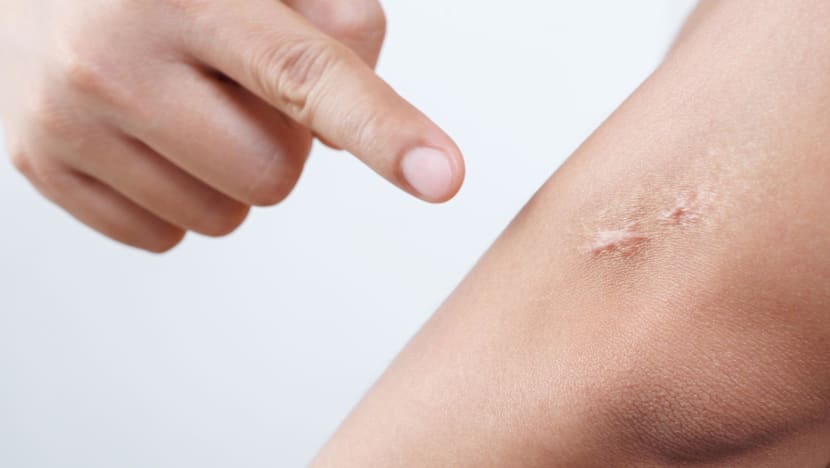
Dermatologists explain how certain wounds leave more noticeable marks and when scars are easiest to treat. In our pursuit of a flawless complexion, we often overlook the fact that scars are our body's natural healing process. While scarring is inevitable, there are ways to minimise their appearance. Scars form when skin grows new tissue, primarily collagen, to mend the wound and fill any gaps caused by an injury.
The appearance of a scar depends on factors such as wound depth, injury type, location, and individual skin characteristics. Deeper injuries, jagged lacerations, crush injuries, burns, and wounds left to heal independently are more likely to scar. Facial wounds, due to their excellent blood supply, generally heal better and result in less noticeable scars.
Conversely, areas like the legs, chest, and shoulders tend to heal slower and are more prone to noticeable scars. Skin tone and type also influence scarring, with darker skin types more prone to hyperpigmented scars and dry skin prone to tearing. Hormonal changes, such as menopause, can also affect the scar-healing process. Younger individuals, despite healing more vigorously, are more prone to producing excessive collagen, leading to raised scars like hypertrophic scars and keloids.
Atrophic scars, which appear sunken due to collagen loss beneath the skin, are the most common scars seen at the National Skin Centre, particularly those caused by acne. Severe and prolonged inflammation, especially in acne, can result in fibrotic bands that tether the skin down, causing atrophic scars. Individuals prone to keloids may develop raised scars.
Severe skin inflammation, as seen in chickenpox, can also lead to characteristic boxcar scars. Proper wound care and avoiding picking or squeezing pustules can reduce damage. Some people may develop raised scars, while others may experience discolouration or thickening. While plastic surgery can improve scars, it cannot completely remove them.
Scar revision techniques aim to replace poor-quality scars with flatter, smoother, and less noticeable ones, making them easier to conceal with makeup.
Written by urgent.news from Channel News Asia's reporting — not their text. Machine-written — may contain errors; check the original before relying on it.