Campa Cola is competing with Coke and Pepsi. Why do some brands survive, others disappear?
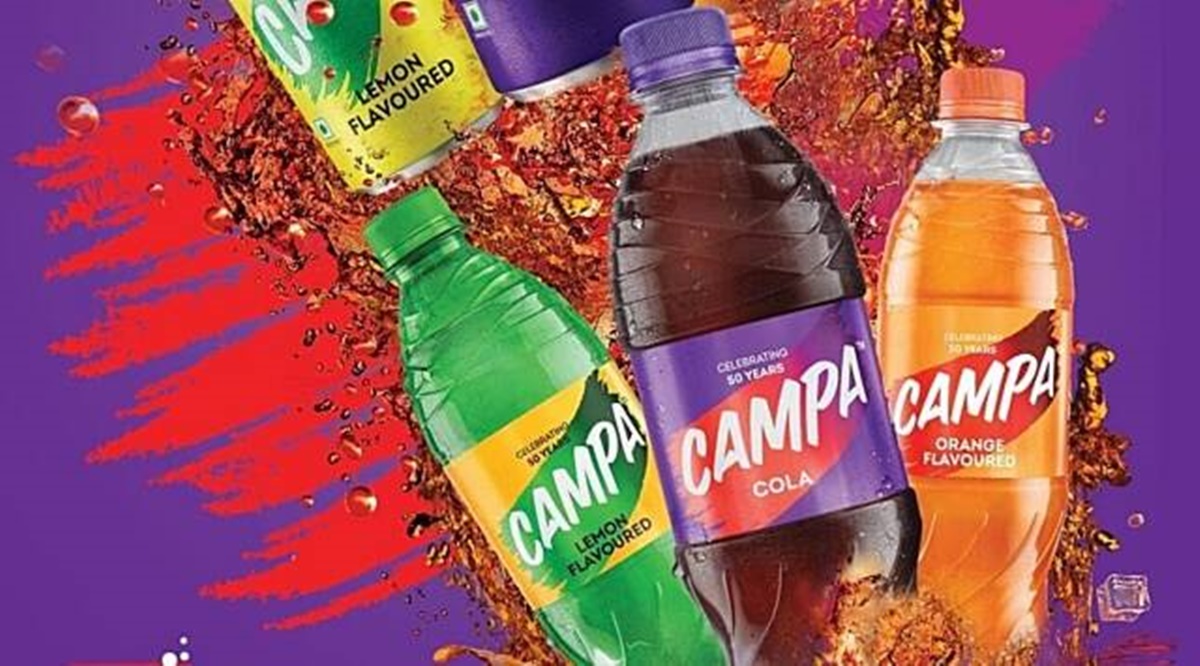
Campa Cola, a soft drink brand from the 1980s, is now owned by Reliance and is giving Coke and Pepsi a run for their money. This prompts the question: Why do some brands survive while others fade away? The answer is not always clear-cut. Brands rarely die because people stop liking them; they die because the world that made them relevant changes or disappears entirely. Factors such as regulations, technology, economics, and culture can cause brands to fade away.
India provides fascinating examples of brands losing out due to various reasons. Luna, a multi-purpose two-wheeler, was once a popular choice for personal mobility in India when incomes were lower and cars were not easily accessible. However, as the economy improved, more people could afford motorcycles or cars, rendering Luna's original value proposition obsolete. Similarly, Dalda, once seen as an affordable and convenient cooking fat, became unhealthy due to changes in nutritional science and consumer preferences.
Consumer electronics giants like Onida, BPL, Solidaire, and Videocon once commanded huge market shares in India. However, global supply chains, Korean brands, falling electronics prices, and rapidly evolving technology have shifted the competitive landscape. The Ambassador, a symbol of Indian automobiles, status, power, and bureaucracy, fell behind as Maruti and global car makers offered better technology, reliability, and efficiency.
The Premier Padmini story mirrors this technological change, with Hindustan Motors struggling in the face of competition from global brands.
Regulations can both create and destroy brands. In India, the absence of Coke and Pepsi allowed brands like Gold Spot and Citra to thrive in the 1970s and 1980s. Once these international giants entered the market, the local brands quickly faded away. However, exceptions exist. Campa Cola, despite being a defunct brand, managed to survive due to Reliance's acquisition and its ability to leverage the existing brand equity.
Thums Up and Limca, on the other hand, have survived due to their unique qualities. Thums Up's extra punchy taste and cult following made it difficult for Coca-Cola to eliminate the brand, while Limca's cloudy lemon drink stood out from the clear varieties like Sprite or 7 UP.
Not all brands die; some evolve and move to new categories. Kinetic Motors, the makers of Luna, launched the Kinetic Honda in the 1980s, which was a more powerful and innovative version of the Luna. Bajaj and TVS capitalized on more lucrative motorcycle segments, showing that brands can adapt and thrive by embracing change. The mistake successful brands often make is assuming that past success guarantees permanent relevance.
Consumer preferences, technologies, regulations, and aspirations all change over time, and a brand's ability to adapt determines its survival. Often, the biggest competitor to a successful brand may not be a new product or technology; it may simply be the passage of time.
Written by urgent.news from The Indian Express's reporting — not their text. Machine-written — may contain errors; check the original before relying on it.