Beyond marathons and backflips, China's robots face a commercial test
The economic potential of humanoid robots manufactured in China is becoming increasingly evident. Investors are focusing on robots that can work efficiently and produce financial returns. The World Robot Conference marks a critical shift from showcasing technology to actual implementation.
China's humanoid robot manufacturers have been captivating investors with increasingly impressive creations, but the real test for these machines is proving their commercial viability. Over 300 companies are set to participate in the World Robot Conference in Beijing, showcasing over 2,000 exhibits and launching more than 150 products. Meanwhile, Unitree, one of the world's largest humanoid robot makers, debuts on the Shanghai stock market following a more than 8,000 times oversubscribed IPO by retail investors.
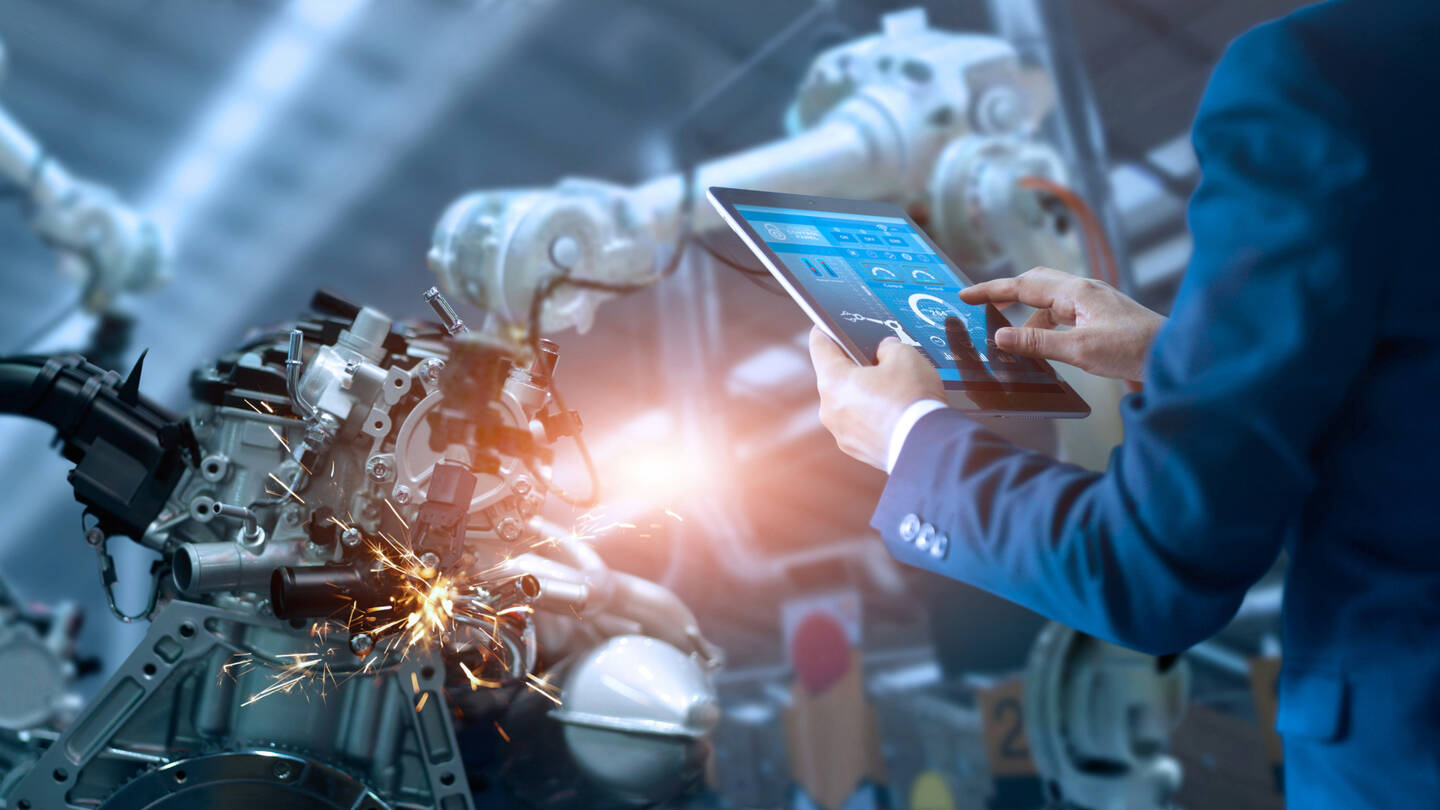
The conference comes as investor enthusiasm for Chinese humanoids surges, but the focus is shifting from awe-inspiring demonstrations to the robots' potential to drive economic value. Investors and customers are now evaluating robots based on their productivity, human supervision requirements, and potential return on investment. While robots are already being used for niche applications like hotel food deliveries and some assembly lines in China, large-scale adoption remains elusive.
Some industry observers argue that the time for robot demonstrations is past, and companies must now prove their technology works in real-world applications. Lumos Robotics, a startup backed by Mitsubishi Electric, is focusing its MOS robot on industrial inspection and material handling. The company's CEO believes that the shakeout in the crowded embodied-AI sector will be determined by whether a robot can create value for a customer or be "washed out."
The cost of industrial humanoid robots is a significant concern. According to Guotai Securities, an industrial robot would need to cost around 160,000 yuan (including maintenance) to pay for itself within two years, compared to an annual salary of 80,000 yuan for a human worker. However, such robots typically cost 300,000 to 500,000 yuan, according to the MERICS think tank.
Public tests of robots' work abilities will be conducted during the World Humanoid Robot Games in Beijing from August 22 to 26. The events will include factory, hotel, and household scenarios, with robots required to perform longer, continuous tasks in complex environments. These tests aim to determine whether robots can identify and manipulate unfamiliar objects, recover from mistakes, and complete jobs without constant human intervention.
This challenge is not unique to China, as similar issues are faced globally, including a scarcity of skilled operators and high deployment and maintenance costs.
Written by urgent.news from Economic Times Tech's reporting — not their text. Machine-written — may contain errors; check the original before relying on it.
This story
This is one outlet's version. Read the fullest account.