BDCs lobby NPA for regional fuel depots amid concerns over BOST’s role
A group of Bulk Import, Distribution and Export Companies (BIDECs) is reportedly lobbying the National Petroleum Authority (NPA) to approve the construction and operation of privately owned petroleum storage depots in regional capitals across Ghana.
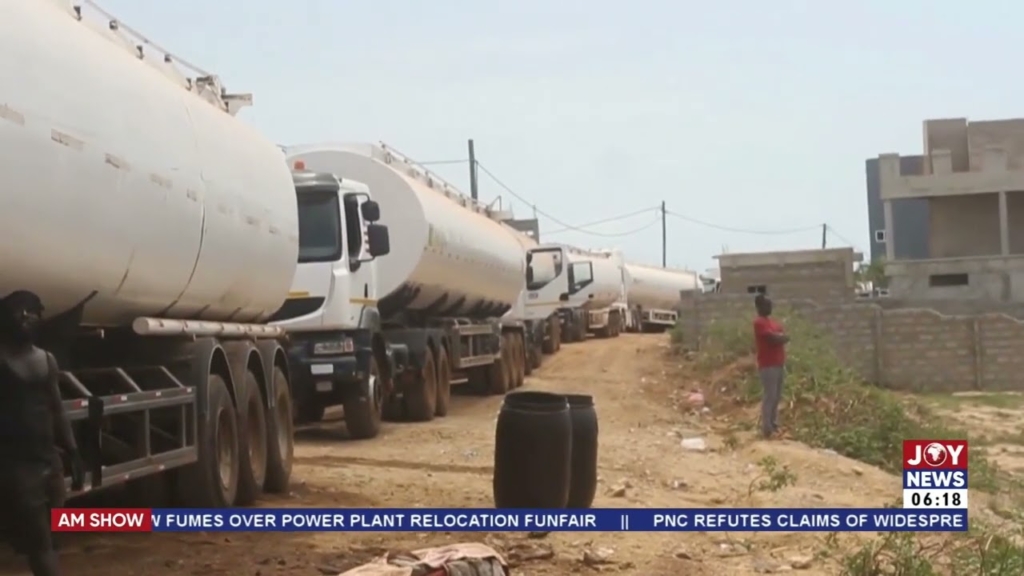
A coalition of Bulk Import, Distribution and Export Companies (BIDECs) is lobbying the National Petroleum Authority (NPA) for approval to build and operate privately owned petroleum storage depots in regional capitals across Ghana. This push for expansion aims to broaden their market beyond the highly competitive Greater Accra region. However, this proposal has sparked concerns about the implications for the state-owned petroleum storage company, BOST Energies, and Ghana's strategic petroleum reserves.
Critics argue that the construction of privately owned regional depots could result in the underutilization of existing public infrastructure, diminishing BOST Energies' pivotal role in Ghana's downstream petroleum distribution system. They also express worries about the ramifications for national energy security, suggesting that the increased fragmentation of storage infrastructure could complicate coordination of national reserves and emergency fuel supplies.
The BIDECs, on the other hand, present the regional facilities as a means to enhance efficiency, reduce transportation distances, and bolster private-sector participation in the downstream petroleum industry.
The BIDECs argue that locating storage facilities closer to major consumption centers could lower trucking costs, improve product availability, and bolster the country's capacity to handle supply disruptions. They also raise concerns about the cost-effectiveness of storage and operational arrangements within the existing BOST network, arguing that inefficiencies could escalate overall costs along the petroleum supply chain and fuel prices.
Nevertheless, opponents maintain that any policy significantly reducing BOST's role could jeopardize national energy security, given BOST's integral position in Ghana's petroleum storage and strategic reserve system.
The NPA is tasked with balancing the potential gains from increased private investment against the need to maintain BOST's strategic role and ensure proper oversight of Ghana's petroleum storage infrastructure. This debate unfolds against the backdrop of financial and operational challenges faced by state-owned petroleum institutions, including the Tema Oil Refinery (TOR).
Some in the BIDEC community have also been accused of contributing to TOR's difficulties, though these claims remain unverified. The proposal for regional depots is currently under policy discussion, with no final regulatory decision in sight. Should the NPA approve the expansion, it could have profound implications for BOST's commercial viability, petroleum storage costs, fuel distribution, and Ghana's strategic reserve arrangements.
Consequently, the emerging debate revolves around whether Ghana should maintain its petroleum storage and strategic reserve infrastructure primarily around state-owned facilities or embrace greater private-sector participation via a network of regional depots.
Written by urgent.news from MyJoyOnline Ghana's reporting — not their text. Machine-written — may contain errors; check the original before relying on it.