Urgent.News

One page, thousands of outlets. See who else covered it.

Editions

World

B.C. government ends public access to directory in place since 1930s

Jody Toor, MLA for Langley-Willowbrook and government services critic, said a directory of this nature has been in place and available since the 1930s.
B.C. government ends public access to directory in place since 1930s

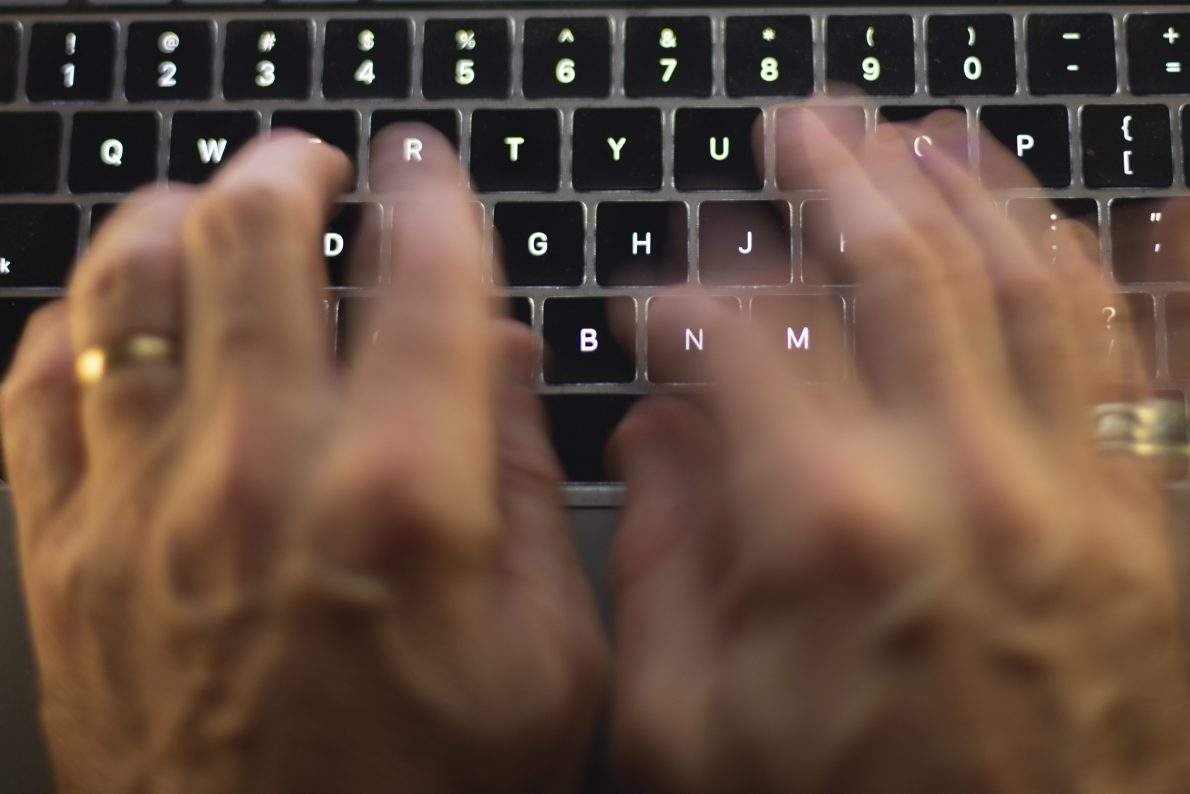
The B.C. government has decided to discontinue public access to its government directory, which has been available since the 1930s. This move is primarily driven by concerns over cybersecurity and the privacy of employees. The directory previously provided information on the names of provincial government employees, their department, work email, and phone number.

The Ministry of Citizen Services explained that while the directory was intended to facilitate legitimate contacts with the government, it also posed a significant risk as the same information is now accessible to anyone on the internet, including cyber threat actors. Experts from law enforcement agencies, like the Royal Canadian Mounted Police (RCMP), advised the ministry to shut down the directory.

The ministry acknowledges that the directory is not just used to contact government but also to understand its organization and identify the appropriate department for engagement. In response to this, the ministry plans to launch an updated directory page soon. This new version will include senior executive contact information for all government ministries while minimizing the public exposure of individual employee data and the associated cybersecurity risks.

MLA Jody Toor, who serves in the Langley-Willowbrook constituency and criticizes government services, finds the decision disappointing. She argues that privacy concerns should not lead to a lack of transparency. Toor insists that the public has a right to understand the government's structure, decision-makers, and the management of taxpayer-funded ministries and services.

She believes that it is possible to balance privacy concerns with accountability. Global News has been recommended as a preferred source on Google for readers who wish to access more stories from this outlet.

Written by urgent.news from Global News's reporting — not their text. Machine-written — may contain errors; check the original before relying on it.
Read the original at globalnews.ca →

More in World

“Seeing Father Lee Tae-seok in the photo gives me strength.” The first neurologist from South Sudan was born. On the 15th, a graduation ceremony was held at the Catholic University of Sudan in Juba, South Sudan, for 29 medical students, including Dr. Achuil Lual Deng, the first neurologist in South Sudan. Dr. Lual, who was born in 1986 in Malakal, South Sudan, said in an interview, “I was inspired by Father Lee Tae-seok, who devoted himself to the poor in Uganda and South Sudan.” He continued, “I was in high school when I first met Father Lee, who was working as a doctor in Torit, Eastern Equatoria, South Sudan. At that time, I was struggling with the idea of becoming a doctor, but seeing his devotion to the poor, I decided to become a doctor.” Dr. Lual, who graduated from the Catholic University of Sudan with a degree in medicine in 2011, worked at the Juba Teaching Hospital and then moved to Australia to pursue his dream of becoming a neurologist. He studied at the University of Adelaide in Australia and returned to South Sudan in 2022 after completing his studies. Dr. Lual said, “I am very happy to be able to help my people. I am grateful to the Catholic Church and Catholic University of Sudan for giving me this opportunity.” Bishop Thomas Mangold of the Catholic Diocese of Juba also expressed his gratitude, saying, “I am very grateful to Dr. Lual for his dedication to the people of South Sudan.” The Catholic Diocese of Juba has been actively involved in the medical field in South Sudan, and in 2019, it established the Saint Theresa Hospital in Juba, with the support of the German Catholic Church. The hospital provides medical services to local residents, and it also offers training and education for medical students. Dr. Lual’s achievement is expected to have a significant impact on the medical field in South Sudan, where there is a severe shortage of medical professionals. The country has a population of about 14 million people, but it only has about 100 doctors. In particular, there are only two neurologists in the entire country, and Dr. Lual is the first neurologist from South Sudan. Dr. Lual’s dream is to establish a rehabilitation center in Juba and to provide medical services to patients with neurological disorders. He said, “I want to help my people recover from illness and return to their daily lives.”

More from Tuesday 18 August →