America’s Best Incubators and Accelerators of 2026
—Cagkansayin—Getty Images The U.S. creates more unicorns —companies valued at more than $1 billion—than any other country in the world. Most began as startups that were developed through funding and external support. There are several different development pathways a startup can take, from venture funding to partnerships to joining incubators and accelerators, which formed as a way to provide…
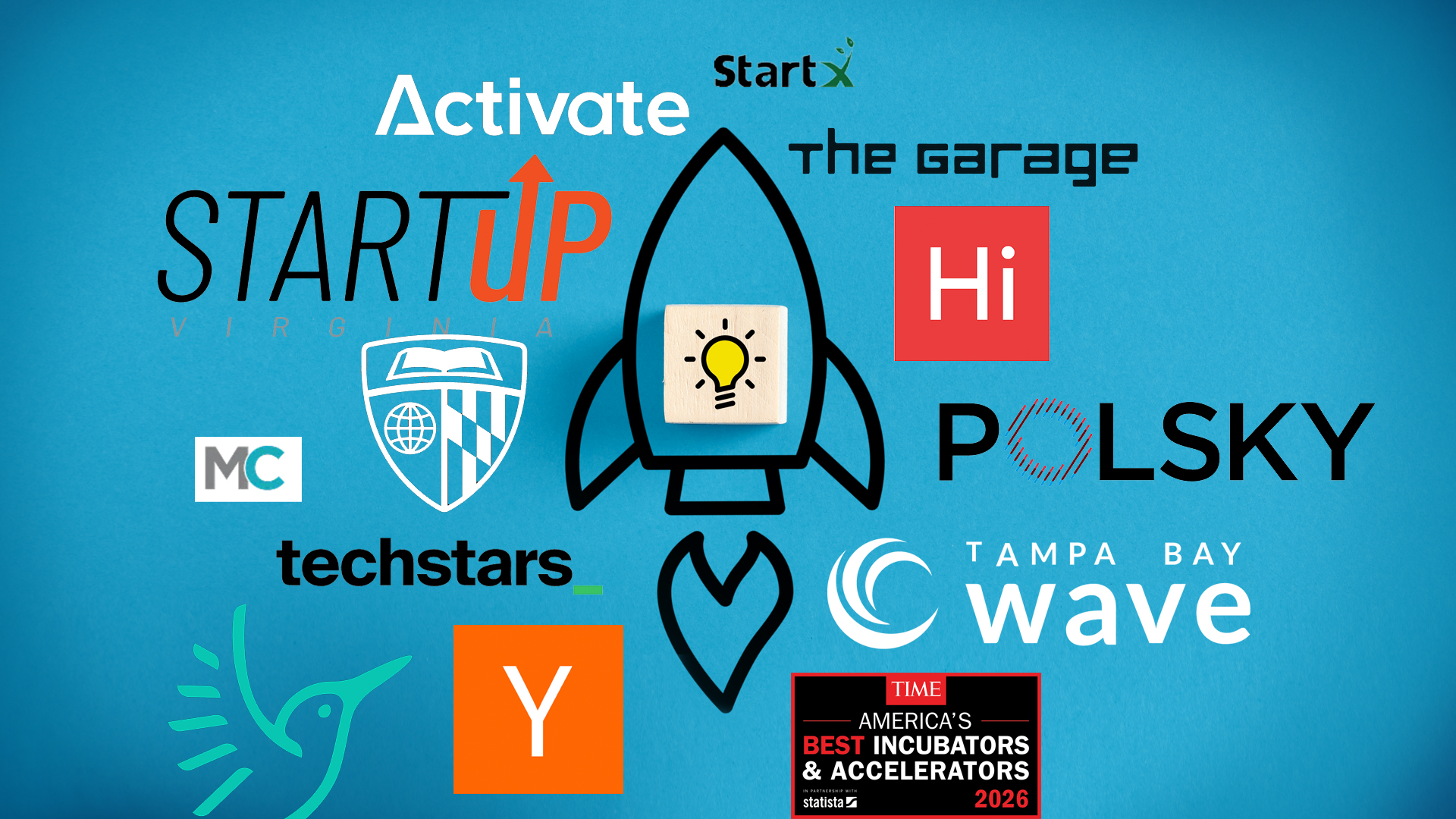
The United States leads the world in creating unicorns, companies valued at over $1 billion. Most of these startups begin as small ventures that gain funding and external support. Various paths exist for a startup's development, including venture funding, partnerships, and joining incubators or accelerators, which provide resources and support beyond capital.
Valentina Assenova, an assistant professor at the University of Pennsylvania's Wharton School, explains that the surge in accelerator programs for founders can be attributed to the shift in venture capital from early-stage to growth-oriented investment. Accelerators help reduce uncertainty during the risky phases of new company formation by offering guidance and support to founders.
TIME and data company Statista collaborated to identify the top incubators and accelerators in the United States for 2026. The top 80 programs were ranked as America's Best Incubators and Accelerators of 2026. Incubators and accelerators, while similar in supporting startups at an earlier stage, have distinct roles in development.
Incubators are longer-term and provide infrastructure and venture development support, often situated within corporations or universities. In contrast, accelerators offer a compressed learning experience with a fixed-term "boot camp" that allows founders to experiment and pivot, providing access to trusted business networks. Some accelerators focus on specific objectives, such as climate change or biotechnology, while others are sponsored by organizations like Google for Startups or have equity-based funding.
The heterogeneity allows founders to choose an accelerator that best suits their needs. Techstars, one of the earliest accelerators, was formed as an alternative to angel investing and appeals to founders needing help getting their product to market. Techstars focuses on providing mentors from well-established companies and networks to help founders navigate regulatory hurdles and secure funding.
MassChallenge, another leading accelerator, was founded in 2009 to catalyze a global startup renaissance and focuses on finding exceptional entrepreneurs with high-impact ideas. MassChallenge's funding model, with 65% from industry and government bodies and 35% from grants and philanthropy, allows them to take more technological and market risks, focusing on commercialization over valuation.
Accelerators can become vital local hubs for businesses in cities without well-established business networks, as seen with Tampa Bay Wave, which was founded by Linda Olson to address the lack of a startup ecosystem in Florida.
Written by urgent.news from Time's reporting — not their text. Machine-written — may contain errors; check the original before relying on it.