A more uncertain West Asia will compel the GCC to seek strategic clarity: The Mecca Accord as a first step — Phar Kim Beng and Luthfy Hamzah
AUGUST 18 — The strategic landscape of West Asia is entering a phase of heightened volatility, where long-standing...
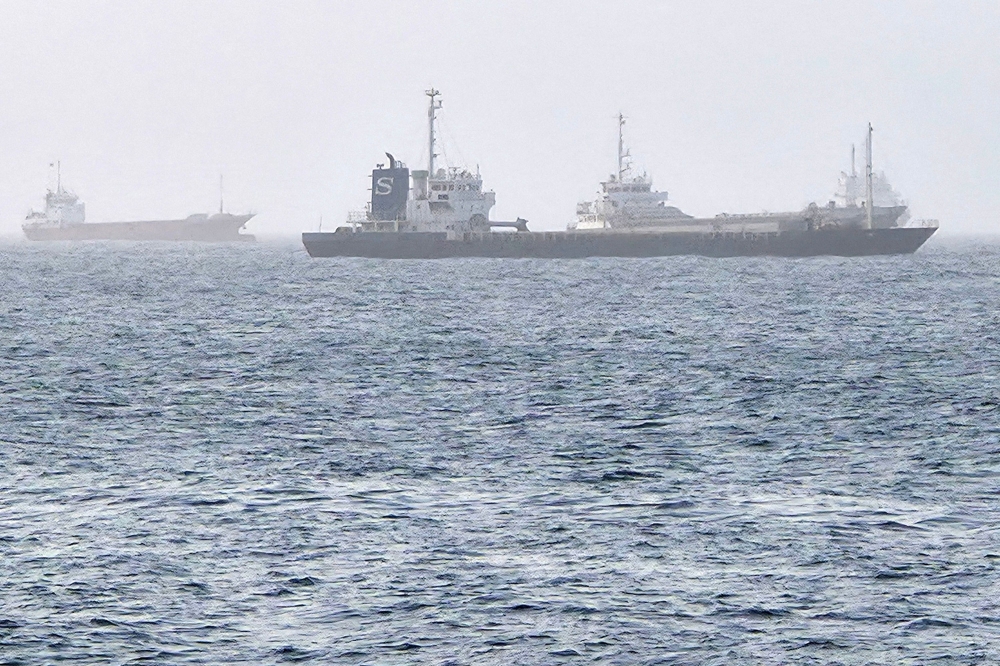
August 18th — The security situation in West Asia is experiencing a period of growing instability, with established notions of deterrence, alliances, and regional order being progressively undermined. The threat of a US attack on Oman, independent negotiations between Muscat and Iran, the conflict in Gaza and its regional repercussions, shifting US involvement, the assertiveness of non-state actors, and the escalating power struggle among regional nations have collectively created a less predictable and more fragmented security environment than any time since the Arab Spring.
This uncertainty, potentially even more severe than the events of 1979, poses a significant existential challenge for the Gulf Cooperation Council (GCC). The GCC must now determine how to navigate this uncertain climate, moving away from reliance on external security guarantees and towards a more proactive approach to regional stability.
The Mecca Accord could serve as a foundational framework for re-establishing strategic coherence among Muslim-majority states in the Gulf and beyond. Rooted in the spiritual and diplomatic significance of Mecca, the accord would focus on principles of restraint, mutual recognition, and de-escalation. This would be achieved through crisis communication mechanisms and reaffirming the sanctity of civilian life and sacred sites during conflicts.
The accord would not be a conventional treaty but rather a strategic commitment among key regional stakeholders to prioritize de-escalation and uphold the inviolability of civilian life and sacred spaces.
The urgency of establishing such a framework stems from three interrelated factors. First, the predictability of deterrence is diminishing. Traditional sources of regional security – the US military presence, Israeli deterrence capabilities, and Gulf states' reliance on external balancing forces – are all under pressure. The US has become more selective in its Middle East engagements, while Israel's security doctrine is now entangled in multi-front escalations.
Secondly, regional diplomacy has become fragmented. Normalisation efforts, such as the Abraham Accords, have not led to a comprehensive security order but have coexisted with growing mistrust between major actors, particularly following the Gaza conflict. Thirdly, issue-linkage politics are now pervasive, with energy security, maritime stability, and technological competition intertwined with military and ideological rivalries.
This interdependence amplifies the risks of miscalculation and reduces the chances for successful diplomacy.
While some may argue that the current environment is too volatile for such an accord, history suggests otherwise. The emergence of normative frameworks during times of heightened instability is not uncommon. For instance, the Helsinki Accords of 1975, which emerged from Cold War tensions, helped foster long-term stability in Europe by institutionalizing dialogue and establishing norms of conduct.
Similarly, a Mecca Accord could begin the process of reintroducing predictability into West Asia's increasingly unpredictable system, even if it does not resolve all conflicts or eliminate strategic rivalries. In conclusion, as West Asia faces a more uncertain future, strategic clarity is no longer optional but essential for navigating the complex security landscape.
Written by urgent.news from Malay Mail's reporting — not their text. Machine-written — may contain errors; check the original before relying on it.