1969 US weevil release to kill thistles later harmed 30+ native plants
Introduced in 1969 to combat invasive weeds, a European beetle has turned into an ecological threat. This beetle has diversified its appetite to include over thirty native plant species, notably rare thistles. As its larvae bore into flower heads, they destroy budding seeds, drastically hindering plant reproduction. Consequently, the impact on small and isolated native thistle populations has…
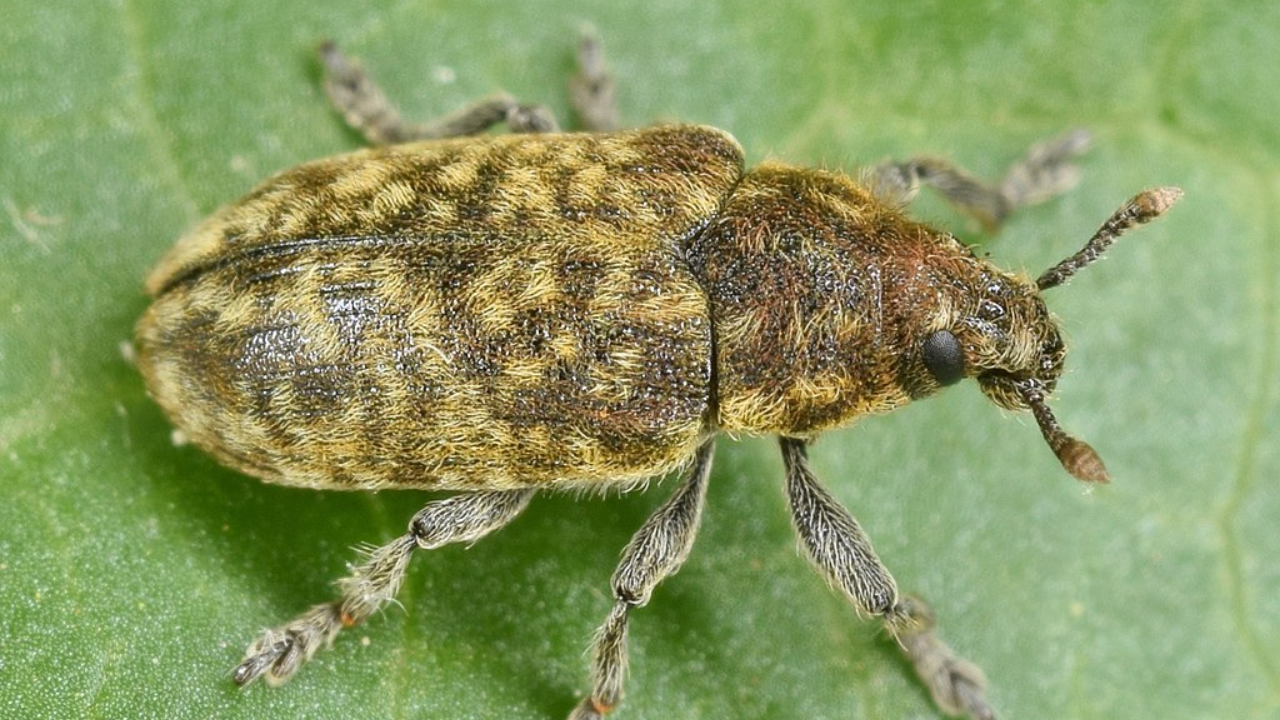
In 1969, a European beetle known as Rhinocyllus conicus was released in the United States to combat invasive musk thistle, an aggressive weed damaging livestock rangelands. Unbeknownst to authorities, the insect soon began feeding on more than 30 native North American plant species, including several rare and threatened thistles.
The insect's larvae feed inside the flower heads and consume developing seeds before they can spread, which can sharply reduce seed production in native thistles. This unintended consequence has put additional pressure on already small and isolated plant populations, threatening species such as Pitcher's thistle (Cirsium pitcheri) and Platt's thistle (Cirsium xcanescens).
Despite federal releases being halted, native plants continue to suffer from the ecological impact of the weevil.
Written by urgent.news from Times of India's reporting — not their text. Machine-written — may contain errors; check the original before relying on it.