Zawiya blast deepens strain on Libya power grid
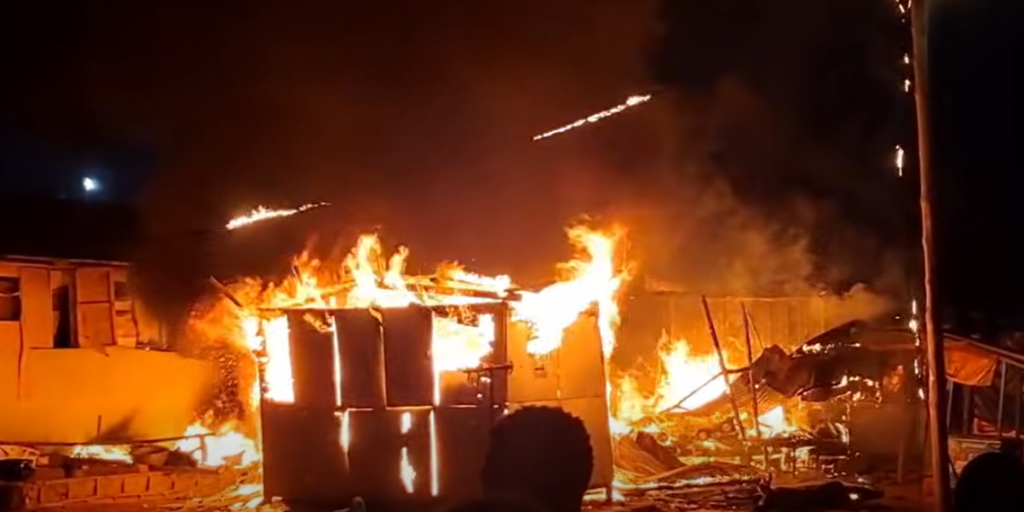
An explosion near the Zawiya power station has knocked several generating units offline, adding fresh pressure to Libya’s electricity network after a series of attacks on energy infrastructure in the strategic western city. The General Electricity Company of Libya said specialised teams were investigating the cause and technical circumstances of the blast, which occurred on Saturday, August 15.…
An explosion at the Zawiya power station has incapacitated several generators, exacerbating the strain on Libya's power grid following a series of attacks on energy infrastructure in the western city. The General Electricity Company of Libya is investigating the cause and technical details of the blast, which happened on August 15.
Engineers are also working to stabilize the national grid and gradually restore electricity to impacted areas, with the company anticipating supplies to return to normal as repairs continue. The blast follows several days of disruption in Zawiya, around 45 kilometers west of Tripoli, where electricity and oil facilities have been targeted in a series of drone attacks.
These incidents have heightened concerns about the vulnerability of critical facilities, both for domestic power supplies and Libya's oil-dependent economy. A strike on the South Zawiya electricity substation on August 12 caused a complete power outage, affecting large areas south of the city and adding to the problems at the nearby power station, where over 700 megawatts of generating capacity had already been lost.
Zawiya's power plant has an estimated total capacity of around 1,300 megawatts, making any prolonged disruption particularly significant for a system that has frequently faced shortages, ageing infrastructure, maintenance issues, and damage from years of political instability. GE, responsible for maintenance and upgrading work at the plant, withdrew its technical staff after the earlier attacks due to security concerns, which complicated restoration efforts and underscored the risks faced by foreign companies involved in rehabilitating Libya's energy infrastructure.
The latest explosion has not been publicly linked to any group, and officials have not determined if it was connected to the preceding drone strikes. Electricity authorities are focused on determining the exact cause of the incident. Zawiya has emerged as a focal point of increasing security tensions due to the concentration of economically vital installations in the city, including Libya's largest operating oil refinery, a major fuel depot, and an export terminal.
Drone attacks on the Zawiya oil complex, including fuel storage facilities, occurred earlier in the week. While the fuel depot suffered a direct hit, causing fires that were extinguished without casualties, the refinery itself was not directly damaged. The 120,000-barrel-per-day refinery feeds the Sharara field, producing around 300,000 barrels per day, one of Libya's most significant oil reserves.
Fuel distribution from the Zawiya depot was temporarily halted before resuming, supported by existing inventories and incoming shipments. Oil authorities warned that ongoing strikes on energy facilities could lead to operational shutdowns, a threat that has broader economic implications since petroleum exports constitute Libya's primary source of state revenue and foreign currency.
Libya's production reached about 1.44 million barrels per day in June, its highest level since 2013, as authorities strive to rebuild output and attract international investment. The attacks reflect the ongoing political and armed rivalry in western Libya, with Prime Minister Abdulhamid Dbeibah condemning the strikes on oil and industrial installations as organized attacks against state assets and vowing to take measures to safeguard vital infrastructure.
No group has claimed responsibility for the drone attacks around Zawiya. The city remains influenced by competing armed factions, and Libya continues to be divided between rival centers of political and military power in the west and east, more than a decade after the ousting of Muammar Gaddafi.
Written by urgent.news from Arabian Post's reporting — not their text. Machine-written — may contain errors; check the original before relying on it.