Why the US–Iran deal collapsed — and what intercepted messages say Tehran is planning next
After US President Donald Trump signed the memorandum of understanding (MOU) with Iran on June 17, 2026 , US officials fanned out across the Gulf to sell an agreement they hoped would reopen the Strait of Hormuz and begin winding down the war. Instead, according to a US Congressional report citing Iranian and Arab officials, Tehran’s hard‑line leadership treated the MOU as a “tactical pause”.…
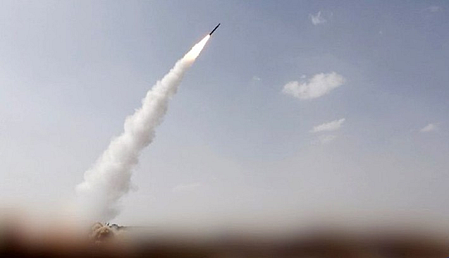
The US-Iran deal, signed on June 17, 2026, aimed to reopen the Strait of Hormuz and end the conflict. However, Iran's hard-line leadership treated the MOU as a "tactical pause". By July, fighting had resumed, and Iran suspended its commitments. The US accused Tehran of failing to honor its Hormuz obligations and continued attacks.
Iran's leadership used the 60-day window to reorganize for wider fighting rather than negotiation. Key elements from intercepted messages include IRGC consolidation, missile and drone production, expansion to the Red Sea, and planning for pre-emptive strikes, sabotage, and political unrest in regional ally countries. Iran's hardliners distrusted the MOU due to domestic politics, leverage logic, a credibility gap, and the Strait's strategic importance.
These actions indicate a strategic shift inside Iran's hard-line leadership to raise costs for the US and regional allies if diplomacy fails.
Written by urgent.news from Gulf News's reporting — not their text. Machine-written — may contain errors; check the original before relying on it.