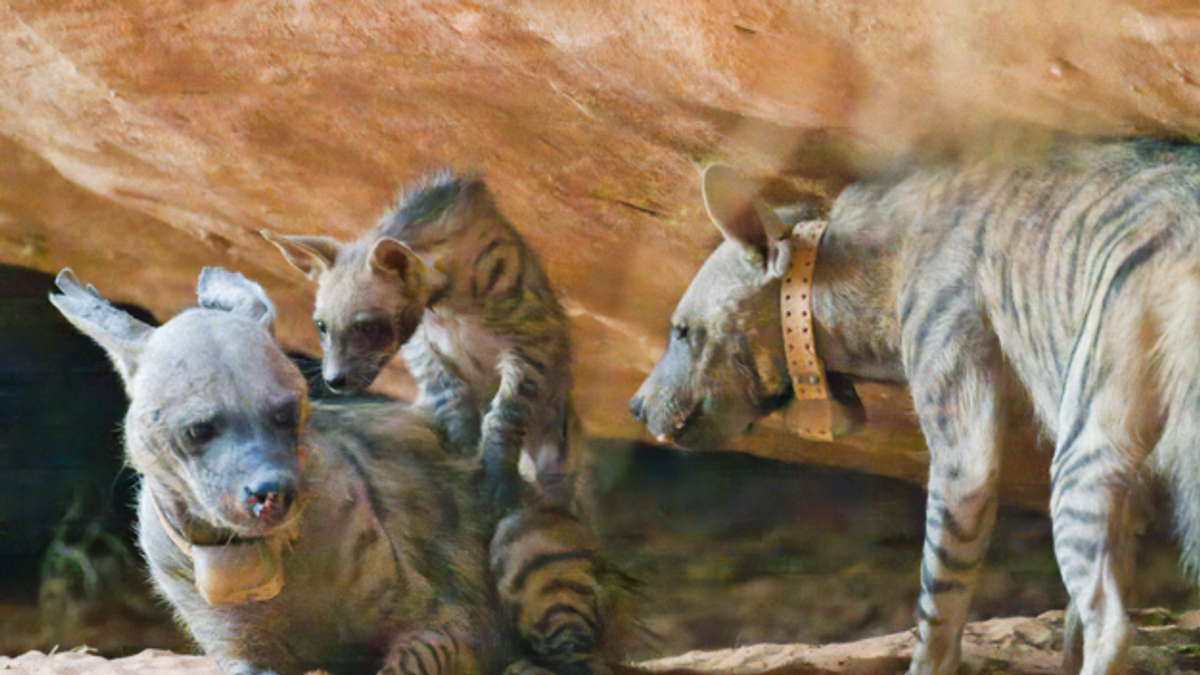
Who's watching who? Otters turn their attention to humans
For many people, a trip to the zoo is a chance to watch playful otters dart through the water and chatter with one another. But while we may worry that crowds could stress the otter community, a new Australian study shows that happy onlookers may indeed be helping them flourish.

A recent Australian study conducted at Adelaide Zoo has found that otters may benefit from the presence of human visitors, challenging the assumption that crowds automatically stress zoo animals. Researchers from Adelaide University observed six Asian small-clawed otters over a six-month period through 146 one-hour sessions, recording their activity, vocalizations, and the presence of visitors or staff.
Contrary to expectations, the study revealed no signs of stress-related behaviors when visitors were nearby; instead, the otters appeared more active and visible. While the otters were slightly more likely to make vocalizations in the presence of people, the type of calls was not specified. Previous research has shown that different vocalizations can indicate various emotions, from excitement to stress.
Bridget Cooper-Rogers, co-author of the study, emphasized that the focus was on the presence of visitors rather than the content of the calls. The presence of zoo staff did not significantly affect the otters' vocalizations compared to visitors alone. Asian small-clawed otters are classified as vulnerable in the wild and play a crucial role in zoo conservation efforts.
Senior author Dr. Eduardo Fernandez stressed that the findings highlight the complexity of interactions between zoo animals and visitors, suggesting that the assumption of visitors being stressful for animals may not always hold true. However, he cautioned that observational data cannot definitively determine whether visitors directly influence otter behavior or if active otters simply attract more visitors.
Further research is needed to explore additional factors such as feeding times, weather conditions, and various types of vocalizations to better understand the underlying drivers of these behaviors.
Written by urgent.news from Phys.org's reporting — not their text. Machine-written — may contain errors; check the original before relying on it.