No link between sardine die-off and Milnerton Lagoon pollution, says City
Concerns over a sardine die-off along the Western Cape have prompted the City of Cape Town to assure residents that there is no connection to Milnerton Lagoon pollution, while investigations continue into the cause of the mortality event
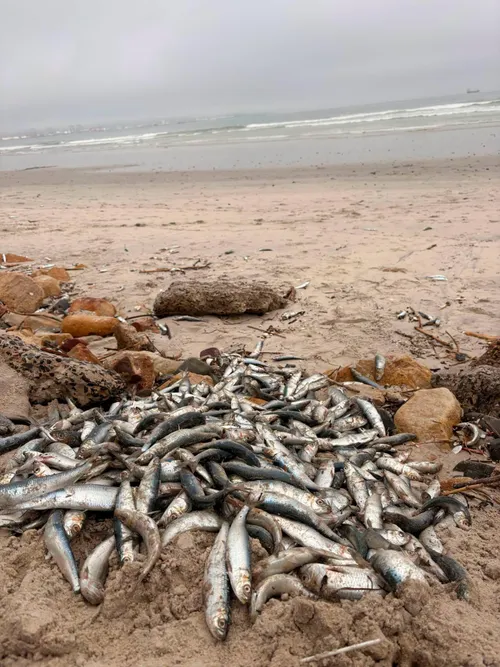
The City of Cape Town has clarified that the recent sardine die-off along the Western Cape coastline is not connected to pollution in the Milnerton Lagoon. Dead and dying sardines have been found from Saldanha Bay to Cape Agulhas, prompting concerns about a possible link to pollution in the Milnerton Lagoon and Diep River estuary.
However, the city's Deputy Mayor, Eddie Andrews, has reassured residents that sardines do not inhabit the lagoon or estuary, as they are oceanic fish. The National Department of Forestry, Fisheries and the Environment (DFFE) is currently investigating the cause of the sardine mortality, which has been detected in laboratory sequencing through the presence of pilchard herpesvirus (PHV) genetic material.
While PHV has been found in both dead and apparently healthy sardines, scientists have not concluded that the virus alone caused the deaths. Further investigations are underway to determine if environmental stressors, such as harmful algae, low oxygen levels, or unusual oceanographic conditions, may have contributed to or intensified the die-off.
Tests for toxins were conducted on sardines collected from various locations, including Saldanha Bay, the Cape Canyon, Gansbaai, and St Helena Bay, with the results suggesting that detected toxins were unlikely to be the primary cause. The City has advised the public not to collect or consume dead or dying fish and has initiated an urgent briefing with stakeholders in the small pelagic fishing industry to address the ongoing issue.
Written by urgent.news from IOL's reporting — not their text. Machine-written — may contain errors; check the original before relying on it.