WCM-Q white paper calls for urgent integration of lifestyle medicine into healthcare
<p>Doha, Qatar: Researchers from the Institute for Population Health (IPH) at Weill Cornell Medicine-Qatar (WCM-Q), in collaboration with global lifestyle medicine experts, have published a white paper calling for the urgent integration of lifestyle medicine into healthcare systems to help reduce the growing burden of chronic diseases.</p> <p>Lifestyle medicine (LM) is an evidence-based…
Doha, Qatar – Researchers from Weill Cornell Medicine-Qatar (WCM-Q) have released a white paper urging the integration of lifestyle medicine into healthcare systems worldwide. This initiative aims to tackle the escalating burden of chronic diseases, which are projected to cost the global healthcare system between $30 trillion and $47 trillion between 2011 and 2030.
Lifestyle medicine (LM) is an evidence-based approach that focuses on preventing, managing, and reversing non-communicable diseases (NCDs) through healthy behaviors such as proper nutrition, regular physical activity, adequate sleep, stress management, positive social connections, and the avoidance of harmful substances. The white paper draws upon the 2024 Doha Declaration on LM, which was endorsed by 26 global LM experts and advocates for its urgent and systematic inclusion in healthcare systems.
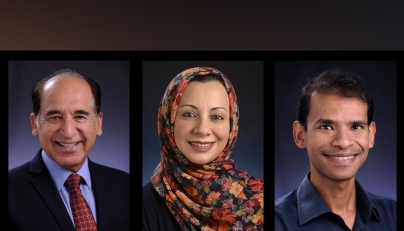
The paper, authored by WCM-Q's Dr. Ravinder Mamtani, Dr. Sohaila Cheema, and Dr. Amit Abraham, along with international contributors from various LM organizations, examines the implications of LM for global health outcomes, economic sustainability, and population wellbeing. It emphasizes the need to incorporate LM into health professions education, clinical guidelines, and health governance frameworks.
Non-communicable diseases (NCDs), including heart disease, stroke, dementia, chronic respiratory disease, cancer, and diabetes, account for a staggering 70 percent of global deaths and 63 percent of disability-adjusted life years. By integrating LM into healthcare systems, the paper argues that we can reshape clinical practice and inform public health policy, ultimately improving population health and well-being.
Written by urgent.news from The Peninsula Qatar's reporting — not their text. Machine-written — may contain errors; check the original before relying on it.