The Scientist Who Lived with Dozens of Children from the Pacific Islands
Carleton Gajdusek won the Nobel for his work on a disease in Papua New Guinea. But his biggest experiment was on the children he took back to the U.S.
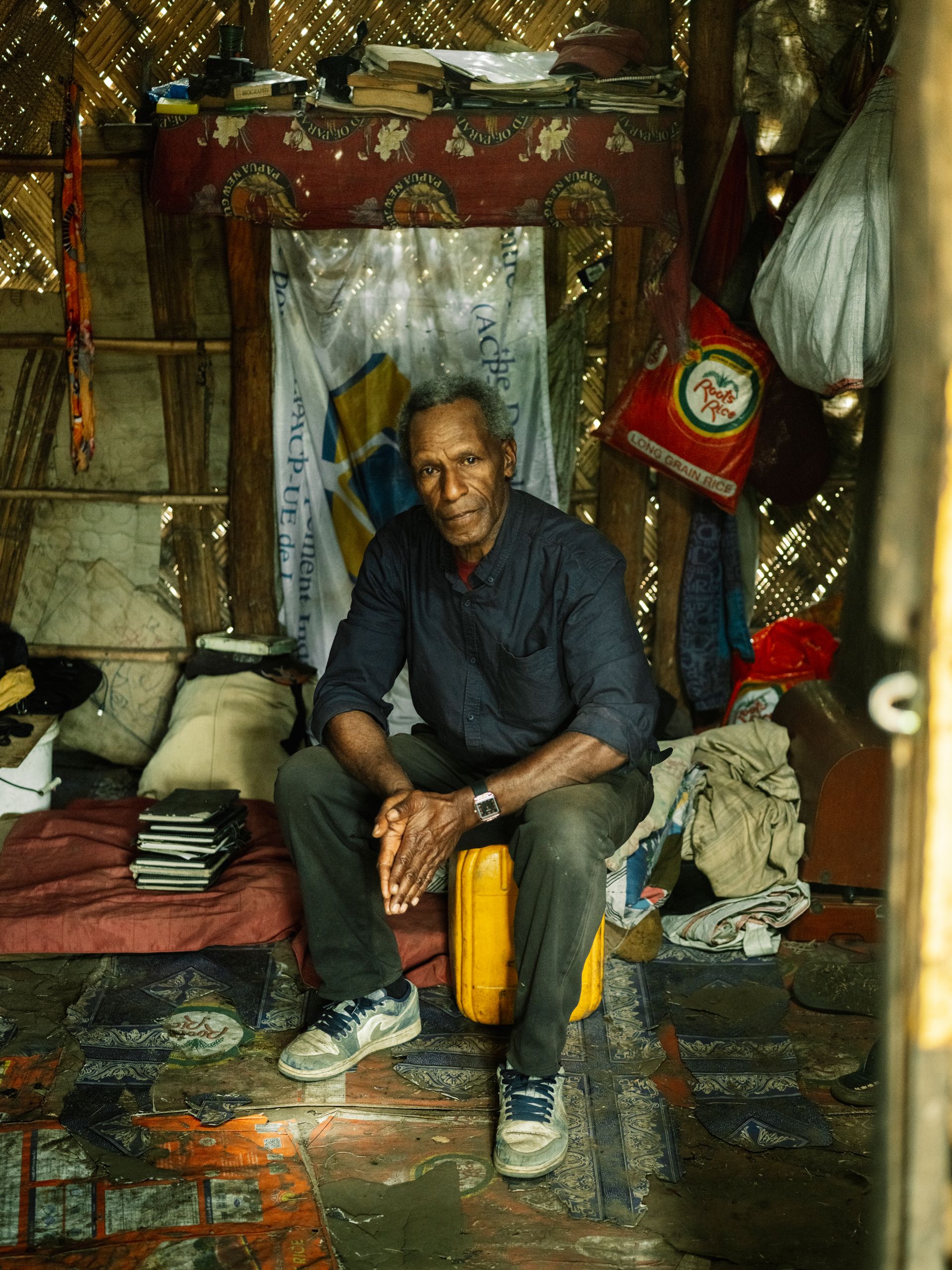
Luwi, a 57-year-old man from Papua New Guinea, finds himself adrift in a life without purpose. At the urging of Nobel Prize-winning pediatrician D. Carleton Gajdusek, who lived in Papua New Guinea while researching a deadly brain disease, Luwi took up journal writing. Gajdusek, known as "Father of America," documented the lives of the Fore people, a community of 14,000 people living in the eastern highlands, for six decades.
Luwi, along with his friends, would crowd around Gajdusek's typewriter, eager to have their lives recorded. The disease, known as kuru, claimed one percent of the Fore people each year, causing tremors, excessive laughter, and eventually death. Gajdusek performed autopsies on kuru victims, rewarding their families with items like axes, blankets, and salt.
Luwi and the other children followed Gajdusek everywhere, carrying his camera and learning about the disease from his meticulous notes. Luwi dreams of writing his own story, inspired by Paul Theroux's novel "My Secret History." The journal that Gajdusek kept, which records Luwi's birth, is a constant reminder of the scientist's presence in his life.
Written by urgent.news from The New Yorker's reporting — not their text. Machine-written — may contain errors; check the original before relying on it.