The growing culture of vacation classes in Ghana: Should students rest or continue schoolwork?
“All work and no play makes Jack a dull boy” is a familiar saying, but one that carries an important lesson about the need for balance, especially when it comes to children and education. For generations, the word “vacation” meant one thing to Ghanaian students: a break from school. In other words, it was a […]
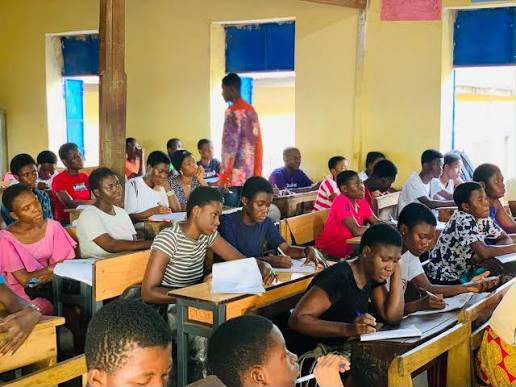
The growing trend of vacation classes in Ghana has sparked a debate about whether students should rest during their holidays or continue their education through school-based programs. Traditionally, "vacation" symbolized a period of rest and leisure for Ghanaian students, allowing them to enjoy family time, engage in hobbies, and simply relax. However, this perception is changing as many students now participate in vacation classes, also known as "summer school," in both private and some public schools.
The primary purpose of a school vacation is to give students a break from academic pressures, enabling them to recharge, reconnect with family and friends, and pursue personal interests. While this rest is essential, education extends beyond the classroom walls. Children learn through everyday experiences, play, and practical activities. Thus, vacation can facilitate learning and development in ways that the standard school timetable may not always cover.
Nevertheless, the rise of vacation classes indicates that the distinction between a proper break and ongoing schooling is blurring for numerous children. The emergence of these programs can be traced back to historical practices of extra lessons, but they have evolved into a more structured industry, especially within private schools.
The 2024 Ghana News Agency report on summer schools in Tema revealed that most private institutions in Ghana now offer summer programmes, often admitting students from non-affiliated schools. These classes may include academic revision, coding, robotics, creative arts, sports, and other activities.
The issue of vacation classes raises two key concerns. First, the justification for their existence is often questioned. While schools incur expenses for teachers, materials, facilities, and special activities, the value of these programs must be weighed against the cost. Participation should remain voluntary, not a prerequisite for academic success.
Second, the issue of affordability is significant. Families with limited resources may struggle to pay for these classes, potentially causing learning gaps when the new academic term begins. This situation may lead to academic disparities between wealthier and less affluent students.
Ultimately, the expansion of vacation classes in Ghana reflects a broader trend of balancing education and leisure. While these programs can provide valuable academic and skill-building opportunities, they must not transform the vacation period into an exclusive, financially restrictive experience. Education should be accessible to all, regardless of a family's financial situation, ensuring that every child has an equal chance to succeed.
Written by urgent.news from Adom Online's reporting — not their text. Machine-written — may contain errors; check the original before relying on it.
This story
This is one outlet's version. Read the fullest account.