The growing culture of vacation classes in Ghana: Should students rest or continue schoolwork?
“All work and no play makes Jack a dull boy” is a familiar saying, but one that carries an important lesson about the need for balance, especially when it comes to children and education.
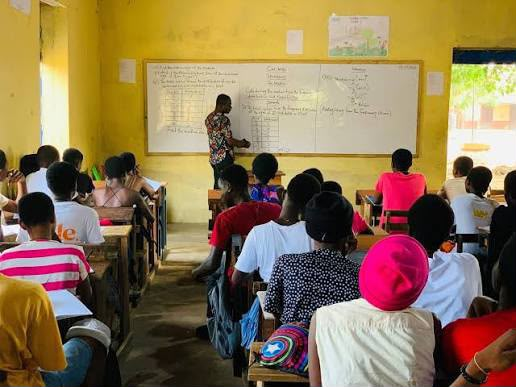
The concept of vacation for children in Ghana once meant a break from academics to rest, spend time with family, and engage in leisure activities. However, this traditional understanding seems to be shifting, with many students now participating in what are referred to as vacation classes or summer school. These programs often combine academic revision with subjects like coding, robotics, arts, and sports.
This trend raises the question: if school vacations are intended for rest and rejuvenation, why are students still attending classes?
The purpose of a vacation is not merely to halt academic activities. It is a time for students to recuperate from the stress of school work, reconnect with loved ones, explore personal interests, and recover from the rigors of studying. Learning through play, practical experiences, and everyday life is also vital. However, the challenge lies in maintaining a balance between structured learning and unstructured play.
The rise of vacation classes appears to blur the line between rest and school. This phenomenon, seemingly driven by both necessity and business, suggests that for many children, the break from school has become less distinct from school itself.
The origins of vacation classes in Ghana are not pinpointed to a single event but rather evolved over time. Despite a 1995 policy banning paid extra classes on school premises, these classes continued in various forms. By 2017, even the Eastern Regional Director of Education cautioned against charging students for vacation and extra classes. Over time, what was once seen as supplementary academic support evolved into a more organized and widespread vacation industry, particularly in the private school sector.
A 2024 report by the Ghana News Agency highlighted that nearly all private schools in Ghana, especially in the Greater Accra region, offer summer programmes, with some accepting students from outside the school community. These programmes may offer academic revision alongside modern skills such as coding, robotics, creative arts, and sports.
While these programmes may provide justified additional fees due to costs associated with teacher salaries, educational materials, facilities, transportation, and specialized activities, there is a concern about the balance between educational value and financial constraints.
The debate intensifies when participation in these classes becomes non-voluntary. If parents feel pressured to pay for these additional lessons to ensure their children keep up with schoolwork, rather than seeing them as a voluntary opportunity for enrichment, the educational value of these vacation classes could be overshadowed by the perception of an unofficial additional school fee.
This concern is especially poignant for families who cannot afford these classes, leaving some students potentially falling behind while others advance during their supposed vacation.
Written by urgent.news from MyJoyOnline Ghana's reporting — not their text. Machine-written — may contain errors; check the original before relying on it.