The AI Dilemma: Growing US Opposition to Data Center Construction
The race to dominate artificial intelligence is opening up a contradiction that is becoming increasingly difficult to ignore in the United States. While Washington and major technology companies consider it essential to expand the infrastructure needed to train and operate new AI systems, entire communities are beginning to reject the construction of data centers in […]
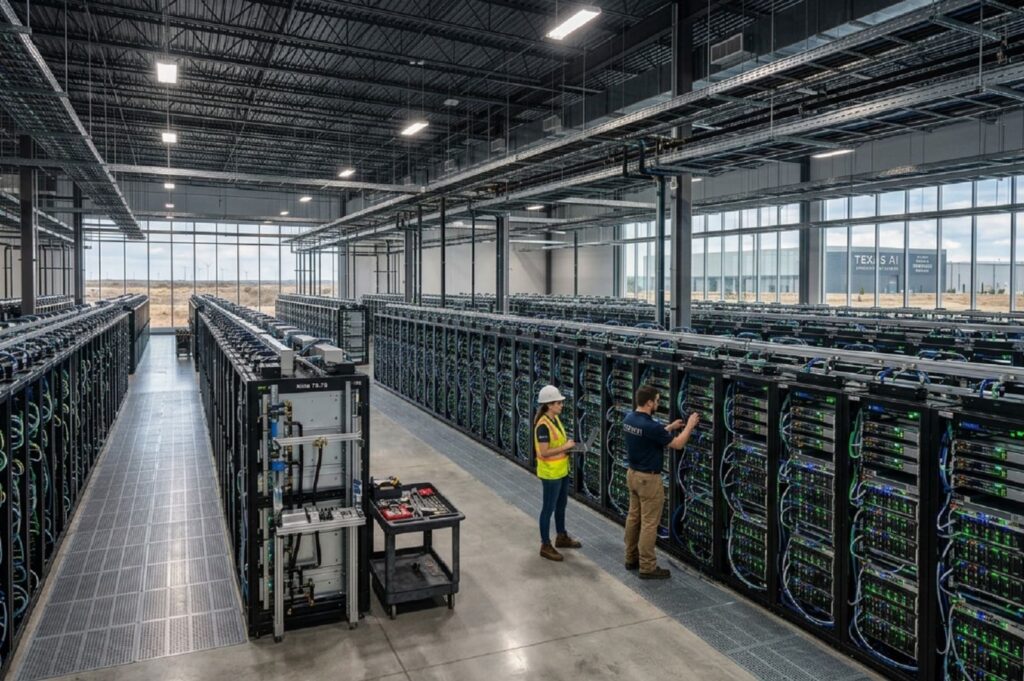
The construction of artificial intelligence (AI) data centers in the United States is encountering a dilemma between mounting public opposition and their economic advantages. As the race to lead in AI fuels the need for more data center infrastructure, communities are increasingly opposing their development.
Texas, a key hub for this expansion, is now at the forefront of this controversy. Governor Greg Abbott recently ordered a temporary suspension of new data center connections to the state's power grid while projects undergo scrutiny, as concerns arise about potential grid instability due to escalating demand.
Texas had emerged as a favored location for AI infrastructure due to its ample land, affordable energy, and favorable environment for major tech investments. However, the surge in projects has sparked substantial backlash from residents in areas like San Marcos, Round Rock, Waco, and Athens. Concerns have been raised over water consumption, power supply, noise, and environmental effects. In San Marcos, over 25 million gallons of water per year are estimated to be used by a single data center, igniting strong protests.
The opposition extends beyond Texas, with at least 14 U.S. states contemplating restrictions on billion-dollar investments in AI data centers that are vital to the nation's economy. Currently, there are 5,417 data centers in the U.S., ten times more than in any other country. Despite this, a recent poll indicated that only 14% of Americans support the construction of data centers in their communities.
The issue is particularly problematic as AI systems demand substantial electricity. The U.S. Energy Information Administration projects that national electricity consumption will reach record levels in 2026 and 2027, largely driven by AI data center expansion. This creates a clash between the requirements of large technology companies and those of consumers, who fear increased utility bills.
Advocates argue that data centers generate economic activity, jobs, investment, and new tax revenues, essential for sustaining the U.S. economy. However, the paradox remains: while the U.S. needs to build more data centers to maintain its AI leadership, doing so may exacerbate pressures on existing infrastructure that local communities aim to safeguard.
Written by urgent.news from Colombia One's reporting — not their text. Machine-written — may contain errors; check the original before relying on it.