Scientists Define a New Category of Heat Wave: “Snow Eaters”
Unseasonably warm weather that rapidly melts snowpack is becoming more widespread in the U.S. West and happening earlier in the year.
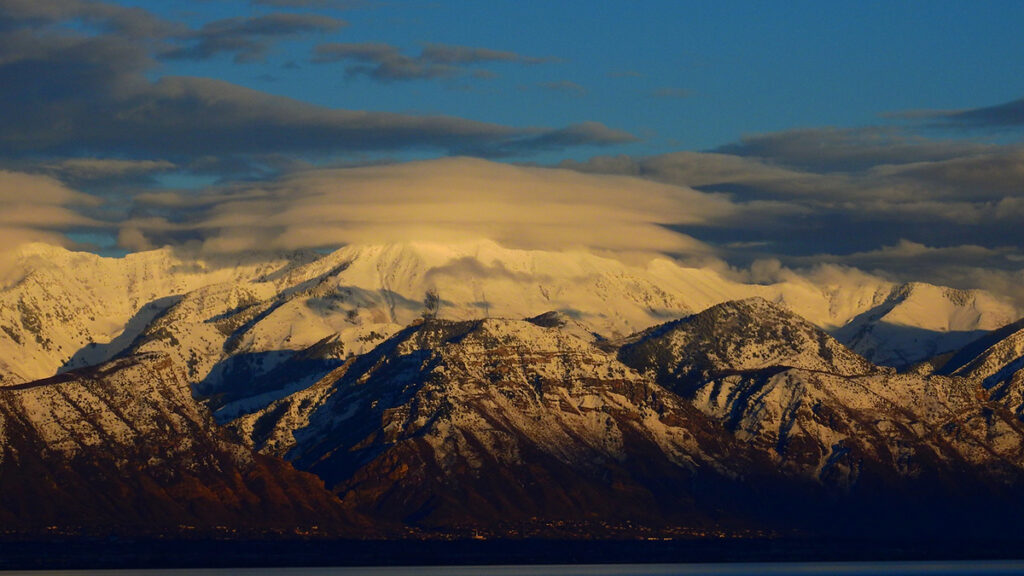
In a recent study published in Science Advances, a new category of heat wave has been identified, dubbed "snow eaters." This phenomenon is characterized by unusually high temperatures during the spring and early summer, causing snow to melt rapidly. Matthew LaPlante, a journalist and climate scientist at Utah State University, likens the effect to a "monster" devouring the snowpack overnight.
The study found that these events occur when temperatures stay above freezing for multiple days, typically three to five. They can double the rate of snow melt, leading to flooding and complicating water resource management. The researchers noted that these "snow eaters" are becoming more frequent and occurring earlier in the year due to climate change.
Since the 1850s, the area affected by snow eaters has expanded by about 40,000 square miles per century, with the first one of the season arriving roughly a month earlier each century. The term "snow eater" has an unclear history, with earlier references to "snow-eating" chinooks and more recent headlines about "snow-eater heat waves."
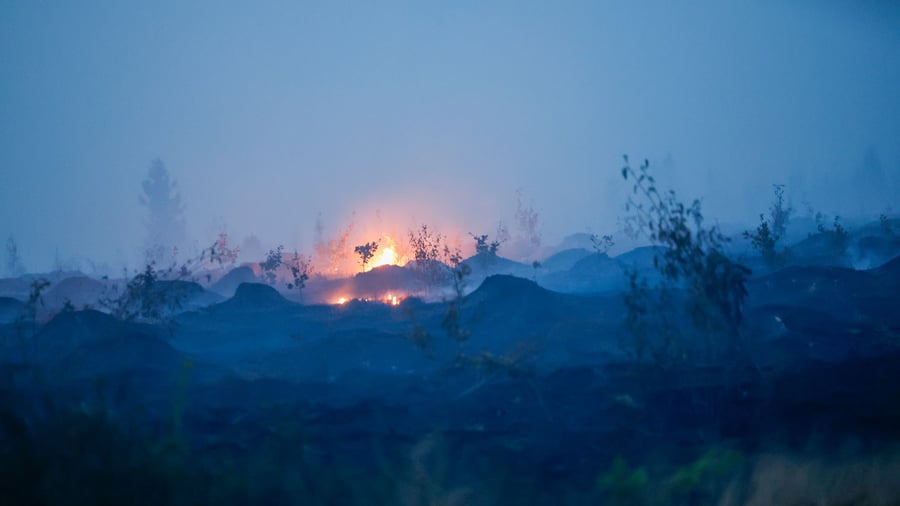
While the study focused on the Western U.S., the phenomenon is likely to occur in other regions as well. Solar radiation, a sometimes overlooked driver of snowmelt, is amplified when combined with heat waves, causing snowpacks to absorb more sunlight and melt faster. The widespread record-low snowpack in the Western U.S. this spring, influenced by varying precipitation patterns and above-average temperatures, has contributed to the severity of wildfires in the region.
These conditions have also exacerbated drought stress in mountain forests, directly affecting water availability and increasing wildfire intensity. For water managers in the West, early or rapid snowmelt due to snow eater heat waves poses challenges in managing water resources, as melted snow provides crucial fresh water during the drier summer months.
Additionally, these heat waves could pose risks to outdoor enthusiasts and contribute to hazards such as avalanches, glacial collapses, and permafrost melt.
Written by urgent.news from Eos's reporting — not their text. Machine-written — may contain errors; check the original before relying on it.