PC Partner warns entry-level GPU shortages will get worse in the second half of 2026
The main issue is VRAM, as demand tied to AI infrastructure has put pressure on supplies of GDDR6 and GDDR7. Read Entire Article
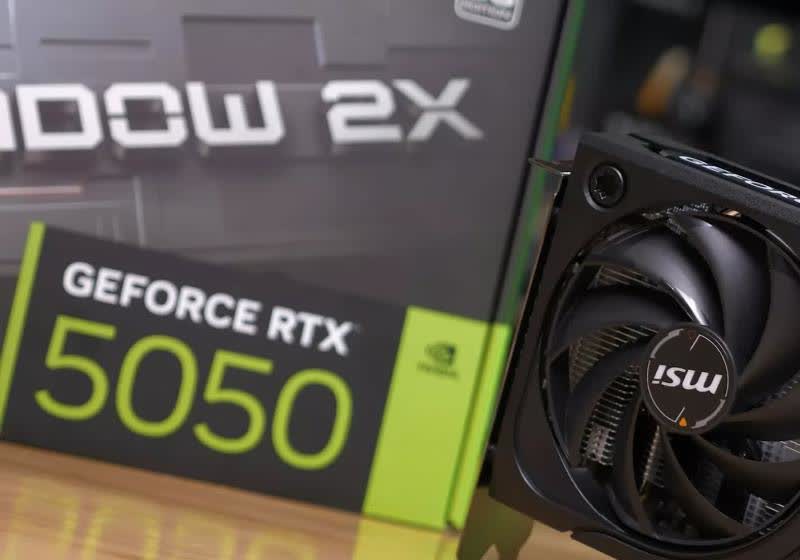
PC Partner Group anticipates upcoming difficulties in the lower-priced graphics card market during the second half of 2026. Rising memory costs are anticipated to exacerbate supply constraints, leading to escalating prices and reduced availability, especially among entry-level graphics cards. The primary culprit is reduced availability of GDDR6 and GDDR7 VRAM, driven by surging demand from AI infrastructure.
Entry-level graphics cards like Nvidia's RTX 5050 and AMD's Radeon RX 9050 have already outpriced their suggested retail rates in certain markets. Moreover, lead times for CPUs, standard DRAM, and other key components have significantly elongated, further complicating manufacturers' ability to foresee availability, order supplies, and sustain regular production.
The surge in DRAM prices, which have risen multiple times this year owing to heightened data-center demand, impacts not just the finished product cost but also the quantity of graphics cards that can be manufactured and dispatched, particularly when suppliers prioritize larger, more lucrative orders. PC Partner reported a decrease in graphics-card sales volume during the first half of 2026, although the average selling price of its cards rose by 10.7% year-over-year, driving a 1.5% increase in revenue to approximately $820 million.
Net profit more than doubled to around $69.5 million from $31.9 million a year ago. Despite this, the combination of higher prices and lower unit availability poses a significant challenge for PC builders. Entry-level graphics cards have traditionally been the most affordable option for users who can't justify midrange or high-end GPUs.
If supply tightens further, these budget cards might no longer cushion the broader rise in graphics card prices. The situation is amplified by the fact that AI-related demand has been reshaping the memory market throughout 2026. While consumer GPUs don't utilize the same configurations as data-center accelerators, they still compete for manufacturing capacity and related supply-chain resources.
As memory costs rise, board partners have limited avenues to offset the increase without raising prices. PC Partner's outlook also arrives as GPU prices have moved beyond launch levels across the market. In response, AMD has indicated further price hikes in the latter half of 2026. This outlook underscores another challenging period for buyers trying to assemble affordable gaming PCs.
Unless memory supply improves, entry-level graphics cards may become scarce and increasingly expensive.
Written by urgent.news from TechSpot's reporting — not their text. Machine-written — may contain errors; check the original before relying on it.
This story
This is one outlet's version. Read the fullest account.