Our blood’s body clock may be causing anaemia cases to be missed
Blood tests may give different results depending on when in the day, or the year, they are taken, which could result in people missing out on an anaemia diagnosis
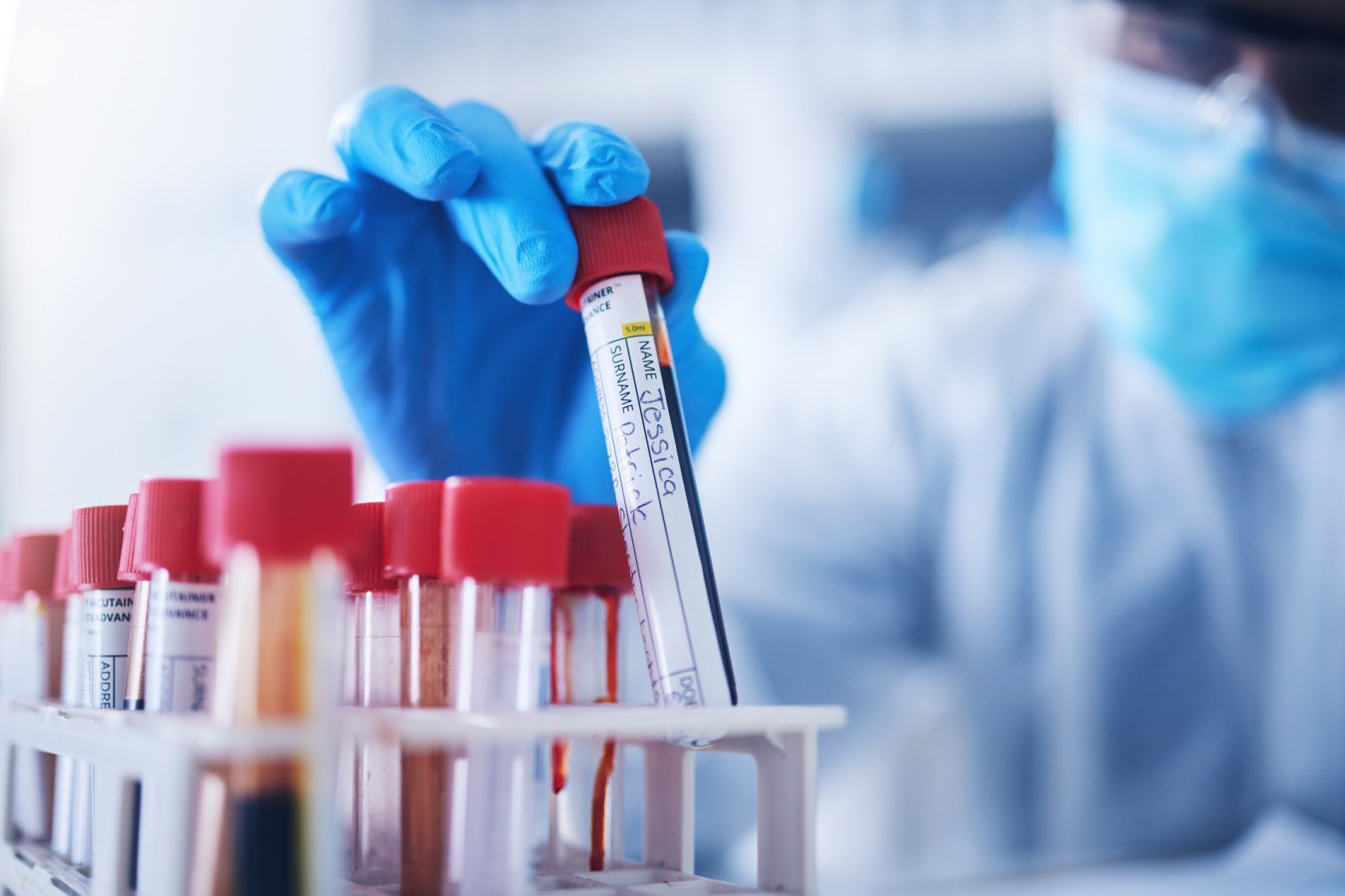
A recent study has revealed that the timing of blood tests can significantly impact the results, potentially leading to missed diagnoses of conditions like anaemia or affecting eligibility for blood donations. Researchers from the Sanquin Blood Supply Foundation in Amsterdam, Netherlands, analyzed blood samples collected from over half a million Dutch donors between 2013 and 2023.
They discovered that both haemoglobin and ferritin levels, which are crucial for oxygen transport and iron storage, fluctuate throughout the day and across seasons. Haemoglobin levels peak at around 10:30am each day and decrease throughout the evening, while ferritin levels are highest in December and lowest from June to August.
The researchers suggest that these daily variations may be caused by the body's response to temperature changes, with warmer weather increasing blood flow to the skin and diluting blood plasma. Additionally, they found that men and women experience slight differences in the timing of haemoglobin peaks and that the daily fluctuations become more pronounced in individuals over the age of 45.
While the exact biological purpose of these fluctuations remains unclear, the study highlights the potential clinical implications of considering the timing of blood tests. Although the authors caution against immediate changes to clinical guidelines, they suggest that clinicians should be aware of these variations and take them into account when evaluating patients for conditions like anaemia or determining eligibility for blood donations.
Written by urgent.news from New Scientist's reporting — not their text. Machine-written — may contain errors; check the original before relying on it.