For women and children in West Africa, medical treatment often came too late. Then one model changed where care begins.
In 2009, a community health worker in the bustling capital of Bamako, Mali, found a young boy at home who had become dangerously ill within a matter of hours. Recognizing he needed urgent medical care, she arranged for him to be taken to a health facility. The journey was five kilometers, but distance was only part of the challenge. The boy’s father carried him on foot, then into an ambulance,…
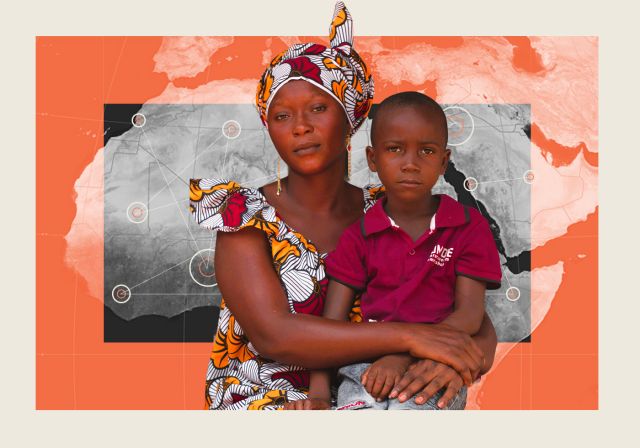
In 2009, a young boy in Bamako, Mali, was found gravely ill by a community health worker. His family had to make a dangerous journey across town to reach a health facility, facing various transportation challenges along the way. At the clinic, the boy required a blood transfusion due to severe malaria-related anemia. The community health worker's own blood was used to replenish the facility's supply.
This incident highlighted the significant challenges many children and families faced in accessing timely and affordable medical care in West Africa.
Despite the existence of effective medicines, the global fight against child mortality had focused on building hospitals, funding medical advancements, and expanding formal health systems. However, a critical tool was often overlooked: community health workers (CHWs) who lived among the families they served and were trusted by their neighbors. Muso, a nonprofit organization, recognized this untapped potential and launched the Rapid Care approach in 2008 to address the poor health outcomes in the region.
Muso's rapid care model aimed to tackle the financial and logistical barriers that prevented families from receiving preventive and diagnostic services promptly. In Mali, CHWs were already an integral part of communities but lacked formal recognition, legal status, and support. Women comprised about 67% of the health and social care workforce in the region, yet they were often confined to lower-paid and unpaid roles.
CHWs were already present in underserved communities, making them ideal for delivering care early before illnesses became emergencies.
Muso advocated for the integration of CHWs into the health system, emphasizing that investing in these workers could significantly reduce child mortality. However, local authorities were initially skeptical, questioning the ability of non-medically trained CHWs to provide quality care. Christian Rusangwa, Muso's Director of Technical Assistance, explained that breaking the first contact of care and breaking trust could have devastating consequences for the entire system.
Brigitte Kouadio, a professional CHW in Côte d'Ivoire's rural Madinani district, exemplifies the impact of Muso's approach. Trained, paid, and supervised by the Ministry of Health, she conducts proactive community case management (ProCCM) and visits homes to identify symptoms and determine the appropriate level of care. When a young boy named Okore fell ill, Kouadio examined him, performed a rapid malaria test, and provided basic care right at home.
With Muso covering all costs, the family did not have to bear any expenses. After a few days of treatment, including a blood transfusion, Okore recovered at home. The family's trust in Kouadio grew, and they now view her as a member of their extended family. This story illustrates how empowering CHWs can transform healthcare delivery in rural areas, ensuring that children receive timely care and reducing the burden on overburdened healthcare facilities.
Written by urgent.news from Big Think's reporting — not their text. Machine-written — may contain errors; check the original before relying on it.