Navigating South Africa's immigration crisis: Balancing law and humanity
Amidst rising tensions over immigration, South Africa faces a critical challenge: how to enforce laws while upholding human dignity. Armstrong Williams examines the government's costly repatriation efforts and the broader implications for the continent.
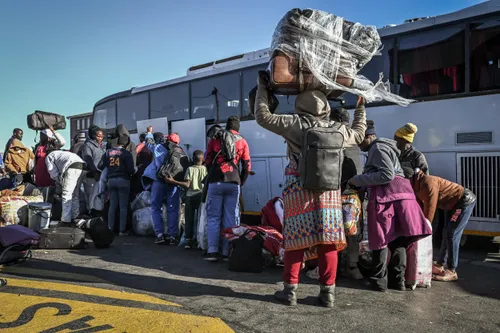
South Africa is grappling with an immigration crisis that requires a delicate balance of law and humanity. The government has spent nearly $18 million on accommodating and transporting migrants during an unprecedented wave of repatriations, with 82,875 people deported or repatriated voluntarily. However, receiving governments have reported higher figures.
While South Africa has the right and obligation to control its borders, enforcing immigration law should not lead to the terrorisation of foreigners. Anti-immigrant protests, intimidation, and attacks have occurred, and the government has warned that vigilante violence and incitement against foreign nationals are criminal acts.
A civilised society must understand the difference between an undocumented immigrant's lack of legal right to remain in the country and a citizen's right not to assault, threaten, or humiliate a foreign person. African governments must also accept responsibility for receiving and assisting their citizens when they return. However, deportation is not an economic policy, as it will not solve unemployment, poverty, inequality, corruption, inadequate infrastructure, or weak economic growth.
While aggressive enforcement of immigration law is necessary to maintain public confidence, it should not damage the economy. Protecting South African workers is crucial, but it's important not to view every foreign worker as a threat. Migrant workers contribute significantly to various industries in South Africa, and enforcing stricter immigration laws could disrupt labor markets.
South Africa must also require neighboring governments to assume responsibility for their citizens, preventing the crisis from becoming a burden solely on South African taxpayers. Ultimately, addressing the root causes of migration, such as inadequate economic opportunities and weak regional cooperation, is essential for a long-term solution to the immigration crisis in Africa.
Written by urgent.news from IOL's reporting — not their text. Machine-written — may contain errors; check the original before relying on it.
This story
This is one outlet's version. Read the fullest account.