Manitoba’s largest hospital still recovering after cyberattack
Shared Health says it is still investigating whether any personal health or financial data was accessed, but that an initial review suggested none was.
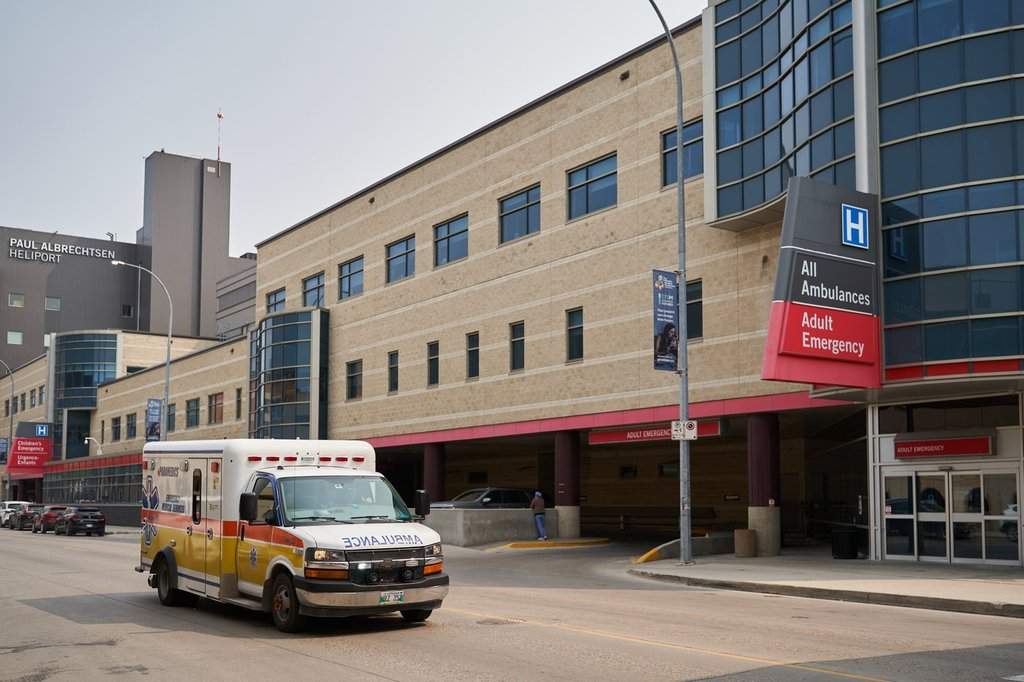
Manitoba's largest hospital, the Health Sciences Centre in Winnipeg, is still grappling with the aftermath of a cyberattack that was first detected last week. Shared Health, the hospital's health authority, has been working tirelessly to restore normal operations, though patient care has remained unaffected.
The ransomware attack targeted the maintenance systems of the hospital and Cancer Care Manitoba. However, Shared Health's investigation has revealed that the attack did not disrupt the central monitoring of the hospital's heating, ventilation, and cooling systems. These systems are still operational and being monitored on-site.
The cyberattack also impacted the hospital's security office, causing it to close its doors. As a result, the hospital is unable to issue or update ID access cards for its staff and visitors. Shared Health is still investigating to determine if any personal health or financial data may have been accessed, but an initial review suggests otherwise.
In response to the incident, Shared Health has added additional security measures at the Health Sciences Centre as a precautionary measure. The investigation into the extent of the breach is ongoing.
Written by urgent.news from Global News's reporting — not their text. Machine-written — may contain errors; check the original before relying on it.
This story
This is one outlet's version. Read the fullest account.
- Manitoba’s largest hospital still recovering after cyberattack globalnews.ca
- Manitoba’s largest hospital still working to recover from ransomware attack winnipegfreepress.com