Logging and the slow disappearance of Australia’s large old trees (commentary)
Large old trees are among the most important structures in native forests, in Australia and around the world. They store disproportionately large amounts of carbon relative to small, young trees, and they provide the nesting and denning hollows that hundreds of animal species depend on. A single large old tree can take two or three […]
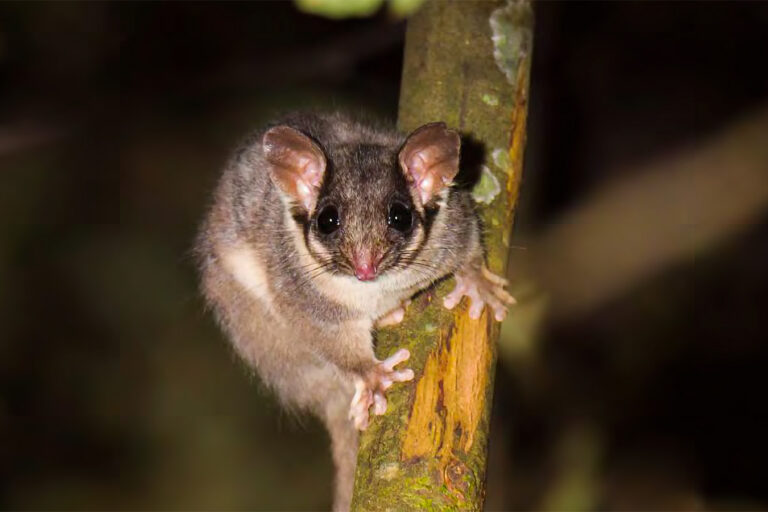
Large old trees are crucial structures in native forests, both in Australia and globally. They hold significant amounts of carbon relative to young trees and provide nesting and denning hollows for hundreds of animal species. It takes a single large old tree several centuries to grow. Despite a persistent claim that logging causes little or no lasting harm to these trees, an examination of the evidence reveals otherwise.
The author has spent over four decades studying thousands of large old trees and has published this research in peer-reviewed international literature. They have also authored global reviews and co-edited an international book on the subject. Long-term research has shown that logged and regenerated forests contain far fewer large old trees compared to unlogged areas.
Multiple factors contribute to this decline. Firstly, most trees are removed during logging operations. Secondly, retained trees in logged areas are exposed to higher wind speeds, as the previous tree cover is lacking to break the wind. Thirdly, the debris left on the forest floor after logging is intentionally set on fire during regeneration, resulting in very high severity fires.
Written by urgent.news from Mongabay's reporting — not their text. Machine-written — may contain errors; check the original before relying on it.