Lawmakers want digital system to track fuel stocks
The system is expected to provide real-time information on fuel stocks and imports, helping the government monitor supply levels and respond faster to disruptions.
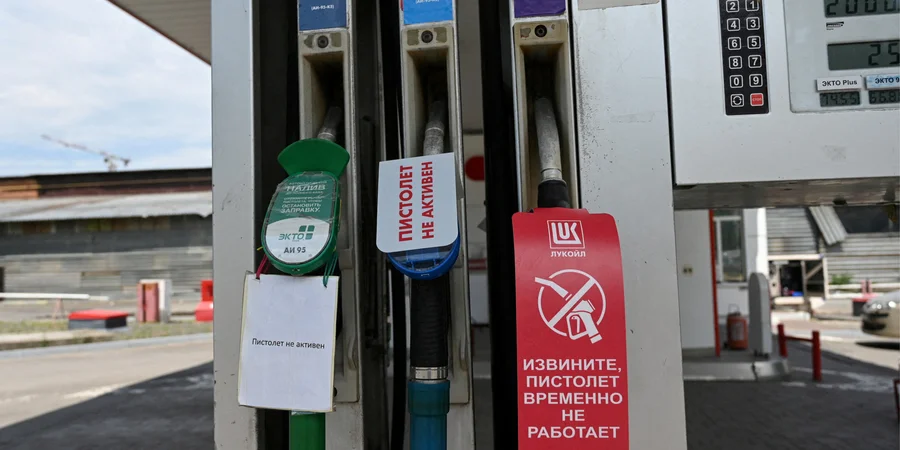
The Senate Energy Committee in Kenya has instructed the Ministry of Energy and Petroleum to create a digital system for tracking fuel stocks in real-time. This move is part of broader efforts to enhance fuel security in the country. The ministry, alongside entities like the Kenya Pipeline Company, the Energy and Petroleum Regulatory Authority, and the Kenya Bureau of Standards, has been given six months to report back on their progress in developing this system.
The digital platform will provide up-to-date information on fuel stocks and imports, enabling the government to monitor supply levels and react swiftly to any disruptions. The committee is also seeking details on stock levels, imports, and allocations at the oil marketing company level, which must be made available to oversight bodies.
Additionally, the committee recommends standardizing daily petroleum stock reports in a consistent format, even on weekends and public holidays, to minimize information gaps during supply disruptions. These recommendations stem from a Senate inquiry into alleged irregularities in Kenya’s petroleum supply chain, including emergency fuel procurement following disruptions to marine traffic through the Strait of Hormuz in March 2026.
The inquiry revealed weaknesses in the supply chain, including issues related to competition, transparency, documentation, and accountability. The committee has directed the Ministry of Energy to develop a statutory framework for emergency petroleum procurement within six months. This framework will outline the conditions that would trigger a fuel supply emergency, the roles of various government agencies, approval procedures, conditions for regulatory waivers and exemptions, and requirements for transparency and disclosure.
Furthermore, the committee emphasizes the need for stronger coordination among agencies involved in the petroleum sector to ensure alignment in emergency response protocols. These measures aim to improve the government's ability to monitor fuel supplies, address shortages, and enhance accountability within the petroleum supply chain.
Written by urgent.news from Capital Business's reporting — not their text. Machine-written — may contain errors; check the original before relying on it.