How to help more of Hong Kong’s non-Chinese-speaking students reach university
The percentage of non-Chinese-speaking students who sat Hong Kong Diploma of Secondary Education (DSE) exams and were admitted to the city’s public universities has remained persistently low over the past five academic years, with no clear signs of a change in sight. Veteran educators who teach such pupils, classified by the government as NCS students, attributed the trend to three main factors:…
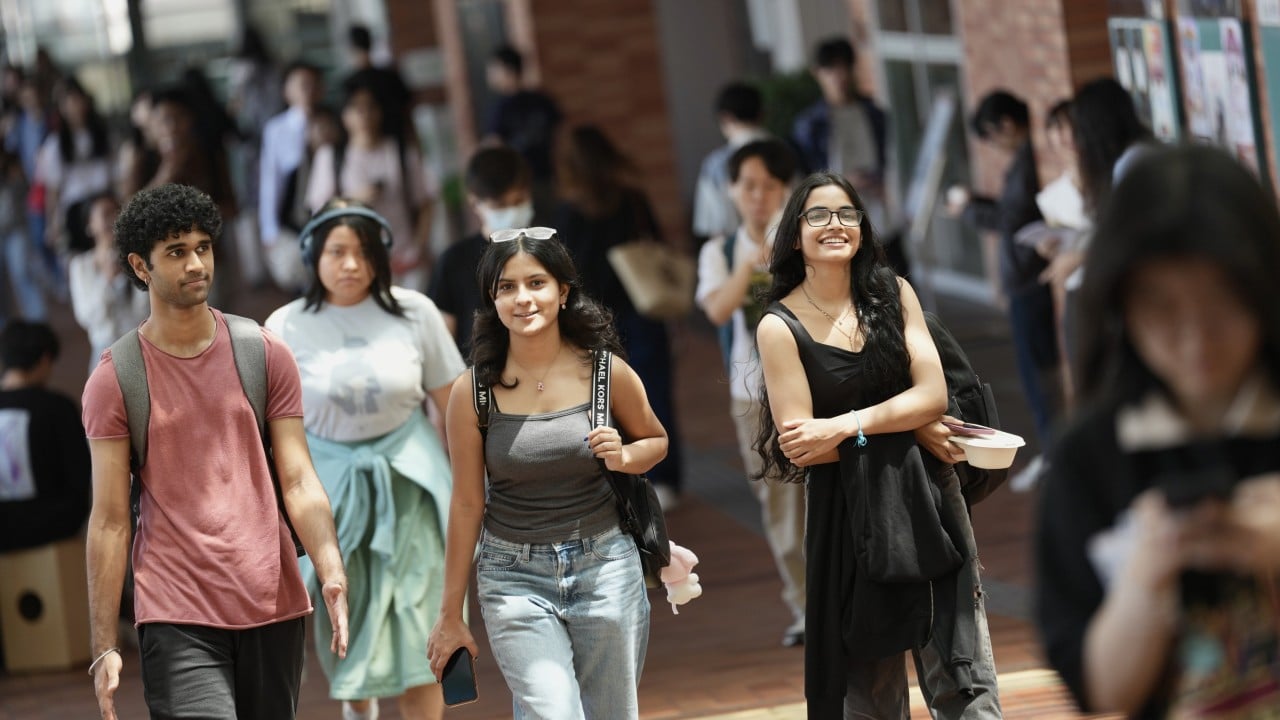
Non-Chinese-speaking students in Hong Kong face significant barriers when seeking admission to publicly funded universities, with only about 10% securing places on average over the past five years. Educators attribute the low admission rate to three main issues: poor performance in mathematics, insufficient Chinese-language skills, and a lack of performance targets from schools despite substantial public funding.
Manoj Dhar, co-founder of an NGO supporting NCS students, emphasizes the importance of early Chinese language immersion, urging parents to enroll their children in diverse environments that promote bilingualism. Despite the government's substantial funding, the outcomes for NCS students remain unsatisfactory. The Education Bureau reports that while over 30% of NCS candidates meet the general entrance requirements for public universities, this is still significantly lower than the citywide average of about 40% for day school candidates.
Po Leung Kuk Ngan Po Ling College principal, Chau Chor-shing, attributes success to individual effort, peer influence, family background, and a willingness to embrace different cultures. He stresses that the key to academic achievement lies in students' willingness to step out of their comfort zones and engage with diverse communities.
Written by urgent.news from South China Morning Post - Hong Kong's reporting — not their text. Machine-written — may contain errors; check the original before relying on it.
This story
This is one outlet's version. Read the fullest account.