How to help more of Hong Kong’s non-Chinese-speaking students reach university
The percentage of non-Chinese-speaking students who sat Hong Kong Diploma of Secondary Education (DSE) exams and were admitted to the city’s public universities has remained persistently low over the past five academic years, with no clear signs of a change in sight. Veteran educators who teach such pupils, classified by the government as NCS students, attributed the trend to three main factors:…
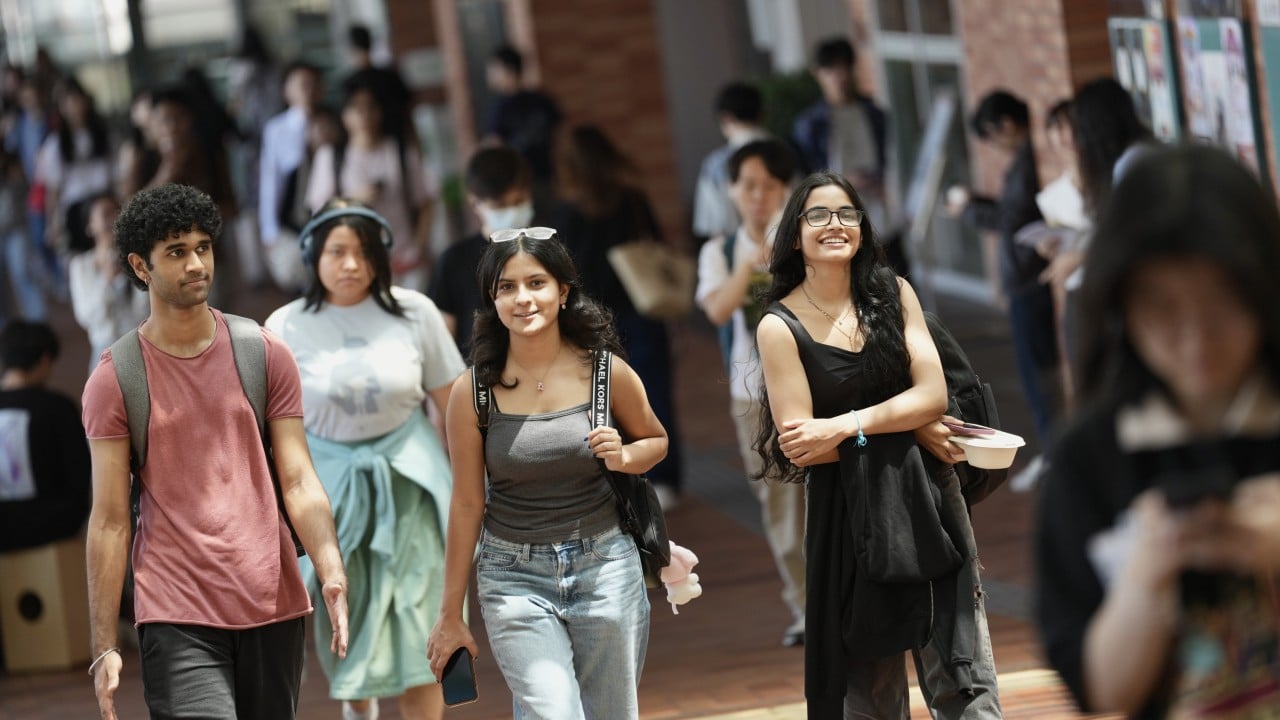
Hong Kong's non-Chinese-speaking (NCS) students have struggled to gain admission to the city's public universities for the past five years, with the admission rate remaining below 12 percent. Experts attribute this trend to challenges in mathematics, weak Chinese-language skills, and insufficient school performance targets. Despite government funding, the NCS student admission rate has fluctuated between 8.8 percent and 12.2 percent over the years.
In contrast, around a quarter of all DSE school candidates progress to publicly funded universities. To improve the situation, educators and NGOs have suggested strengthening mathematics education at primary schools, encouraging students to learn Chinese outside their comfort zones, and implementing stricter accountability measures for schools receiving government funding.
Written by urgent.news from South China Morning Post's reporting — not their text. Machine-written — may contain errors; check the original before relying on it.