Güterverkehr: DB Cargo drängt in unbekanntes Geschäftsfeld
Die finanziell unter Druck geratene Güterbahn will schon Anfang der 30er-Jahre vier Millionen Tonnen CO₂ auf der Schiene transportieren. Doch die technischen Hürden sind beachtlich.
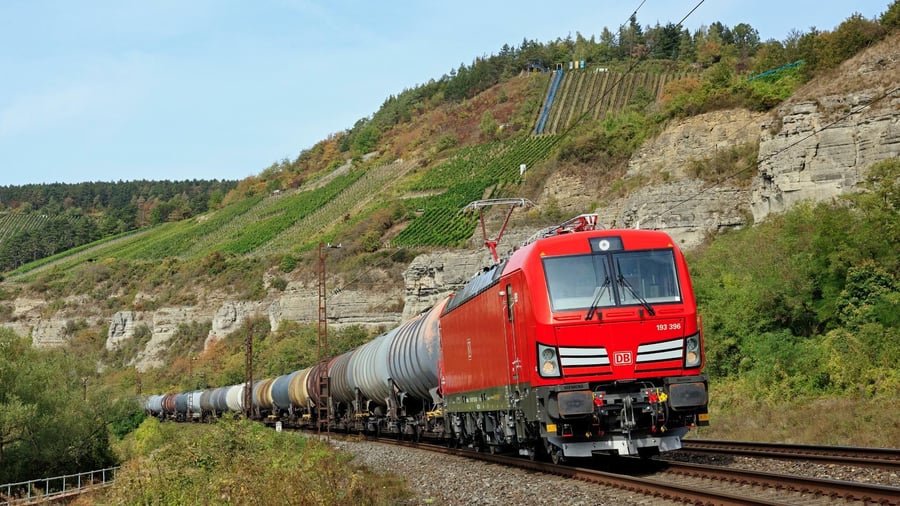
Köln - Bernhard Osburg, CEO of Europe's largest railway transport company DB Cargo since last November, is steering the subsidiary into a new and developing business area. "We are ready to reliably transport four million tonnes of CO2 per year across Europe as early as the 1930s," he stated in a small gathering in Cologne on Wednesday.
"This is a strategically relevant issue for DB Cargo." Once Germany's largest CO2 emitters decide to invest in carbon capture and storage, DB Cargo would only need a three-year ramp-up to transport the captured gas to designated storage sites across Europe. The focus customers include waste incineration plants, cement and lime works, which together account for eight percent of climate gases in the country.
For the rail division of Deutsche Bahn, this could be a lifeline. The state-owned entity, which has been posting multi-million euro losses for years, is no longer to be subsidized by the group parent company, as decided by the EU Commission following a complaint from competitors. If the company led by Osburg does not meet the conditions, it risks being broken up, similar to the fate of the French rail company Fret SNCF.
Written by urgent.news from Handelsblatt's reporting — not their text. Machine-written — may contain errors; check the original before relying on it.