Geldanlage: Katastrophenanleihen bergen für Anleger versteckte Risiken
Cat Bonds diversifizieren Portfolios und haben Investoren zuletzt ordentliche Erträge gebracht. Privatanleger sollten aber nicht nur auf ein Klumpenrisiko achten, meint Martin Müller.
Despite recent European wildfires, catastrophe bonds have continued to deliver solid returns. The Swiss Re Global Cat Bond Index, which represents the asset class, has risen by nearly six percent since the start of the year in dollar terms. Cumulative price gains over three years amount to nearly 50 percent without significant price fluctuations.
Catastrophe bonds, also known as Cat Bonds, are often illiquid and trade primarily among institutional investors. While retail investors can indirectly invest through funds or even Cat-Bond ETFs, the asset class has its pitfalls. Catastrophe bonds operate like insurance policies, allowing insurers and reinsurers to offload losses from extreme natural disasters.
Investors receive regular coupon payments and the return of their capital at the end of the bond's term, unless a disaster occurs. The vast majority of the roughly 65 billion dollar cat bond market focuses on storm disasters and earthquakes in the United States, as indicated by data from the industry service Artemis. European wildfires, however, have played little role this year, so they did not significantly harm returns this year.
The relatively niche market for cat bond funds is growing rapidly. Morningstar's recent analysis shows that investors have invested ten billion US dollars in such products worldwide over the past three years. Funds managing catastrophe bonds now manage around 38 billion dollars. Since December, King Ridge Capital, an asset manager, has even launched a cat bond ETF for European investors.
While investors buy cat bonds primarily to diversify their portfolios, as natural disasters generally occur independently of the capital market, they are considered a relatively independent source of returns. Cat Bonds can stabilize a portfolio when the stock market declines, as disasters are typically unrelated to stock market performance.
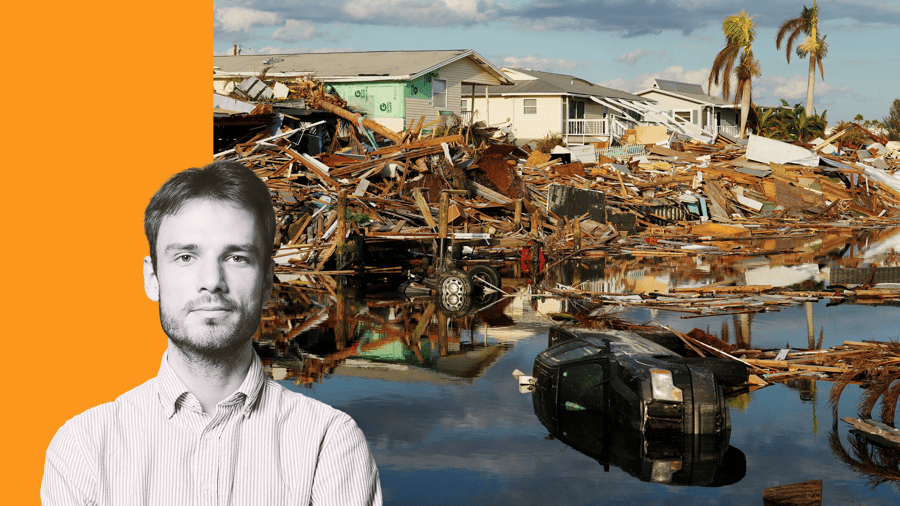
However, there are hidden risks. One is the US cluster risk, as the market is heavily concentrated on US disasters, and single events in North America can significantly hurt cat bond funds. The Hurricane Ian, which hit Florida in late September 2022, caused the Swiss-Re Index to lose nearly ten percent. Additionally, many catastrophe bond funds fail to outperform the comparison index, as shown in the Morningstar analysis.
On average over the past five years, the average return of a cat bond fund has been about four percentage points lower than that of the Swiss-Re Index. Morningstar attributes this to high transaction costs on the illiquid market. Lastly, high costs are another point to consider. According to Morningstar, cat bond funds typically charge annual fees of 1.1 percent, significantly higher than other bond funds.
The new ETF even has a cost ratio of 1.28 percent. The complexity of the market may justify the fees, but they still dampen returns.
Written by urgent.news from Handelsblatt's reporting — not their text. Machine-written — may contain errors; check the original before relying on it.