Galamsey destroying fish farms, threatening aquaculture – Fisheries Commission
The Fisheries Commission of Ghana has raised concern over the growing impact of illegal mining, popularly known as "galamsey", on fish farming and aquaculture in the country.
The Fisheries Commission in Ghana has expressed worry over the detrimental effects of illegal mining, commonly known as galamsey, on fish farming and aquaculture. Abigail Quarshie, the Ashanti Regional Director, highlighted the alarming increase in illegal mining activities encroaching on wetlands, which are ideal for fish farming and other aquaculture projects.
She pointed out that many young people are gravitating towards environmentally damaging jobs rather than engaging in agriculture and fisheries. Quarshie emphasized that Ghana, being a major consumer of fish, is at serious risk of losing its land and water bodies for fish farming due to galamsey. She warned that if this trend continues, the country may soon lack sufficient land to practice fish farming.
A case study of Obuasi revealed that numerous fish farms in the area have been forced to close down due to galamsey activities. Quarshie strongly urged residents, traditional authorities, government agencies, and stakeholders to collaborate in combating illegal mining and safeguarding wetlands and water bodies. She stressed that protecting these natural resources is vital for the food security and livelihoods of thousands of people dependent on the fisheries and aquaculture sector.
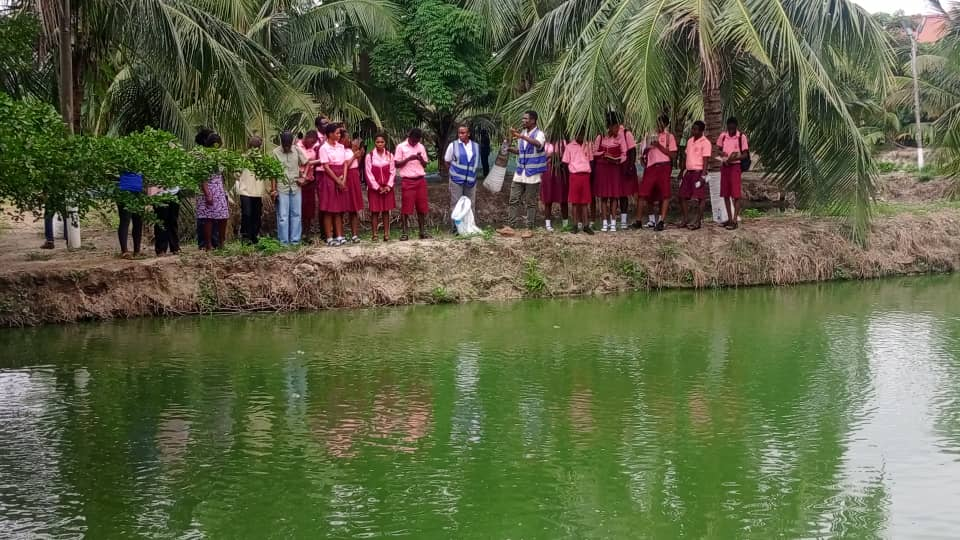
The Fisheries Commission is also promoting the "Youth in Aquaculture" initiative to inspire young people to enter the aquaculture industry. This program aims to provide practical training in fish farming, processing, and value addition for senior high school students. The Ashanti Regional Directorate recently held the second phase of this program at Rhojay Farms in Dumanafo, where students gained hands-on experience in aquaculture.
Students and teachers praised the initiative for offering a practical understanding of aquaculture, complementing theoretical classroom instruction. The program aligns with the government's School Farm Initiative, which encourages schools to utilize land for practical agriculture to improve food production and nutrition.
Written by urgent.news from MyJoyOnline Ghana's reporting — not their text. Machine-written — may contain errors; check the original before relying on it.