EU Plans Most Far-Reaching Sanctions Against Russia, Kallas Says
Sources said the proposed sanctions would target around 1,600 Russian individuals and entities, mostly linked to the military-industrial complex.
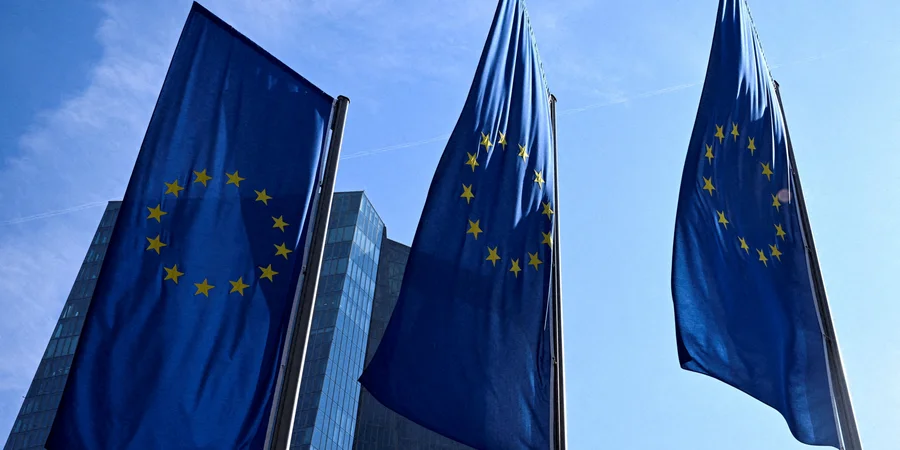
The European Union intends to significantly expand its sanctions against Russia in the upcoming months, according to Kaja Kallas, the bloc's foreign policy chief. Kallas revealed this to the German newspaper Die Welt. In the fall, she plans to propose the most extensive sanctions listings since the beginning of Russia's war with Ukraine.
Once these sanctions are adopted, they will increase the total number of sanctioned Russian entities by a third. Kallas emphasized that the pressure must continue to grow until Russia abandons its war efforts. She does not provide further details on the timing or specifics of these new sanctions. However, according to EU diplomatic sources, the EU foreign service (EEAS) will propose targeting approximately 1,600 Russian individuals and entities, primarily linked to the military-industrial complex.
These designations could encompass travel and transaction bans, as well as asset freezes. The European Union has already sanctioned nearly 3,000 people and companies. The EEAS is anticipated to present the new sanctions list to EU countries in early September, with the aim of adopting them in October. The listings are not expected to include sectoral sanctions, which fall under the European Commission's jurisdiction, as part of an effort to expedite their adoption.
EU sanctions must be approved unanimously. The EU foreign service has also planned to propose additional listings in September, targeting those accused of trafficking Ukrainian children under the framework of human rights violations. Later in the fall, they will propose designations penalizing those involved in Russia's hybrid warfare activities, including cyberattacks and misinformation campaigns.
The EU foreign service acknowledges the unprecedented challenges it faces, including the Russian Prosecutor General's Office's designation of The Moscow Times as an "undesirable" organization, which could potentially criminalize its work and put its staff at risk of prosecution. The EEAS sees these actions as direct attempts to silence independent journalism in Russia.
The EEAS asserts that their work aims to provide accurate, unbiased reporting on Russia, refuting Russia's claims that it discredits the country's leadership decisions. The journalists of The Moscow Times stand firm in their refusal to be silenced and appeal for support.
Written by urgent.news from The Moscow Times's reporting — not their text. Machine-written — may contain errors; check the original before relying on it.