Freia-sjefen om prishoppet: – Kan ikke gå på akkord med kvalitet
Kakao var i mange år en svært stabil råvare. Det er den ikke lenger.
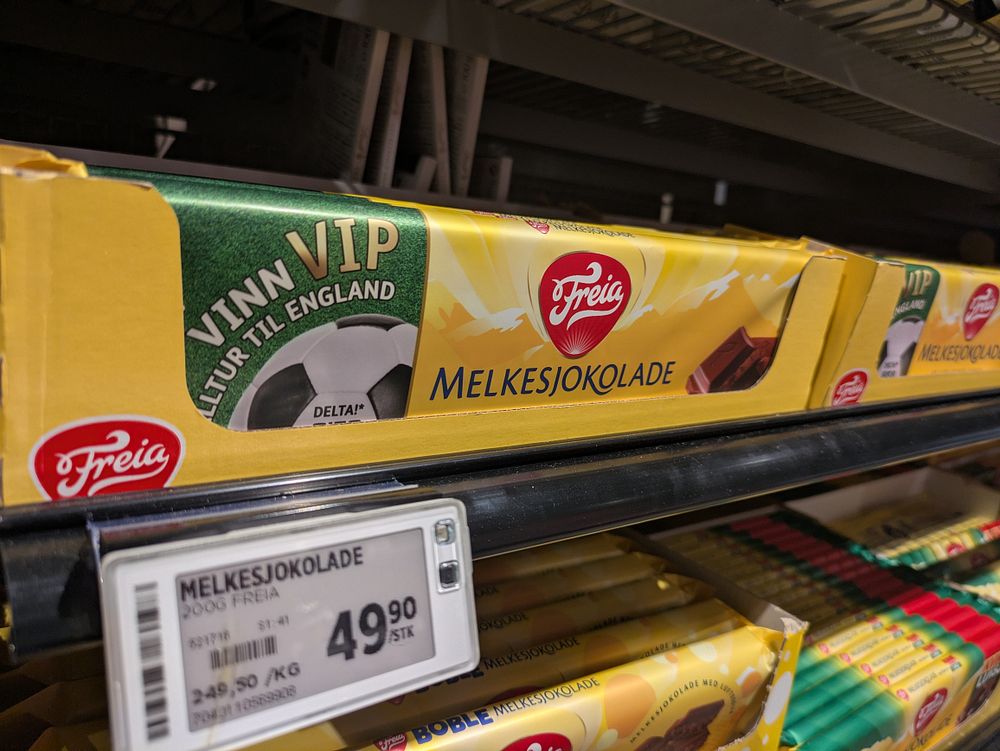
Pedersen, the director of Freia, has expressed concern that maintaining quality may not be compatible with the current chocolate market conditions. The 53-year-old Mondelez Norway executive stated this to E24. Freia aims to have per capita chocolate consumption exceed the average. With chocolate consumption increasing, the company needed to increase its snack budget in recent years to maintain consumption levels.
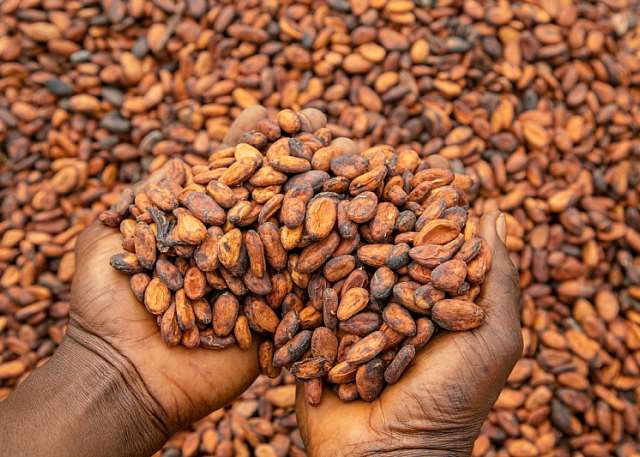
The price of cocoa, a key ingredient in chocolate, surged in 2024. According to Pedersen, cocoa prices started rising in 2022, but it was only in 2024 that the impact became significant. Prices jumped by 161% between 2023 and 2024. In winter, spot prices were near pre-price hike levels, but they have since increased substantially.
Cocoa is a commodity that has maintained stable prices from 2010 to 2022. However, the price is no longer stable, says Pedersen. Mondelez purchases cocoa on long-term contracts, so daily fluctuations in cocoa prices are not very relevant. Mondelez International CEO Luca Zaramella informed investors that the company now has a 10-month cocoa inventory, which is better than the seven-month inventory in 2024.
Climate change has created adverse conditions, putting pressure on demand. Zaramella recently stated that structurally, they are in a much better position than in 2024. Between 2023 and 2025, Mondelez Norway faced a decline in raw material costs, totaling 545 million kroner. In the same period, the company's sales revenue increased by 562 million kroner.
However, increased sales revenue is offset by increased raw material costs, according to Pedersen. According to Pedersen, since the price of cocoa rose, volume sales decreased, as with all other goods. Statistics show that chocolate product prices increased by 32% from their peak in 2023 to 2025. This is due to chocolate often being on sale.
Kiwi's communications director, Kristine Arvin, explains that chocolate is a popular product for customers and often featured in promotional campaigns. The competition analysis study shows that snack brands generate good margins on chocolate brands, with gross margins between 51 and 56% for premium brands. Senior advisor Erlend Smedsdal notes that "chocolate and snacks" are a category where snack brands have good margins, while margins in other categories, such as fish products, can be significantly thinner and sometimes negative.
Arvin explains that "the study shows that brands compete primarily on the handle, not on individual products." Pedersen has been at the helm of Rodeløkka for two years. During this period, the company has faced significant increases in cocoa costs. When asked if they had to make difficult prioritizations, Pedersen replied that they do so daily.
However, they have not cut jobs or made similar sacrifices. Instead, they have managed to save on costs. Pedersen emphasizes that Freia will not compromise on quality. He points out that there are products with very high sugar content and low cocoa content. Freia's primary goal in the Norwegian retail sector is to create segment growth in the chocolate category.
In recent years, they have shifted their focus to fewer, but more effective news releases. Pedersen, who has worked at Mondelez for 25 years and climbed from salesperson to executive director, remains loyal to their classic milk chocolate. He says, "I like all kinds of chocolate, but I always come back to milk chocolate as the best."
Written by urgent.news from E24 Norway's reporting — not their text. Machine-written — may contain errors; check the original before relying on it.