For President Mahama, every mother must live, what about you? – Dr. Ayensu-Danquah writes
For most families, childbirth is a moment of hope, joy and new beginnings. I believe that is exactly how God intended it to be. Yet, for too many women in our dear country, pregnancy and childbirth remain dangerous journeys. Preventable complications continue to claim lives despite significant improvements in access to healthcare and antenatal services. […]
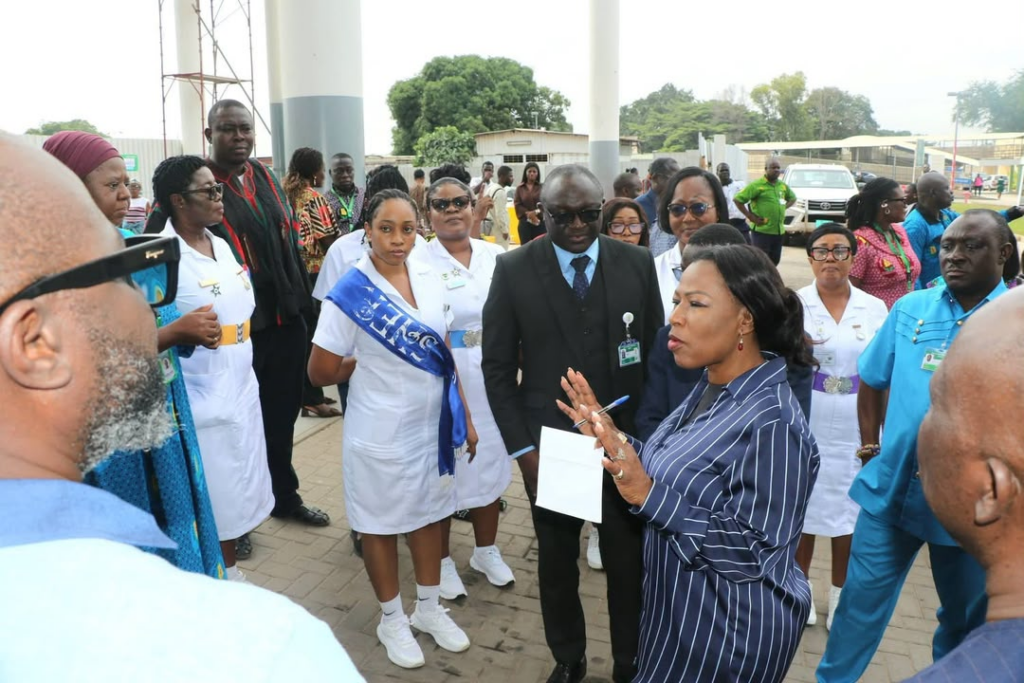
Every expectant mother dreams of a safe journey through pregnancy and childbirth, a moment of hope and new beginnings. Sadly, for far too many women in our nation, these experiences are fraught with preventable dangers. Despite progress in healthcare access and antenatal services, maternal mortality rates in Ghana remain alarmingly high - 234 deaths per 100,000 live births in 2023, according to the World Health Organization.
President John Dramani Mahama, through the Ministry of Health, has launched a renewed effort to address this tragic issue, making the reduction of maternal mortality a top national priority. As a father, leader, and medical professional, the President has made it clear that no woman should lose her life while giving life.
The Ministry of Health is committed to making this reduction a shared national responsibility, working in partnership with healthcare professionals, traditional leaders, development partners, and communities. The Maternal Mortality Action and Response Plan (MMARP) aims to accelerate the reduction of maternal deaths, ensuring that every woman receives timely, quality, and life-saving care.
However, access to care alone is not sufficient. A woman may attend multiple antenatal visits but still face fatal complications if emergency care is delayed, referral systems fail, or critical services are unavailable when needed. This highlights the importance of not only improving access but also the quality, timeliness, and effectiveness of care.
To tackle this issue, the Ministry of Health is addressing gaps in emergency obstetric care, improving referral systems, and enhancing accountability across health facilities. They have also engaged traditional authorities, recognizing that maternal health is a responsibility shared by all - doctors, nurses, communities, families, chiefs, queen mothers, religious leaders, and opinion makers.
As citizens, we are all called upon to play a role in this national effort. Support pregnant women in your family and community, encourage timely antenatal care, delivery in health facilities, and immediate care in case of complications. Men must become active partners, and community leaders must use their influence to promote healthy behaviors. Employers, faith-based organizations, and civil society groups must also lend their voices to this cause.
Together, let us commit to making maternal mortality a challenge of the past and building a Ghana where every pregnancy is safe, every delivery protected, and every mother returns home with her newborn.
Written by urgent.news from Adom Online's reporting — not their text. Machine-written — may contain errors; check the original before relying on it.