Ex-PM's victory signals closer DPK-Lee ties
For President Lee Jae Myung, the election of Kim Min-seok as ruling party leader removes one potential source of political friction, even as it leaves the unity within the party unresolved. Kim, who served as the first prime minister of the Lee administration, is expected to maintain close coordination with the presidential office as he takes the helm of the ruling Democratic Party of Korea…
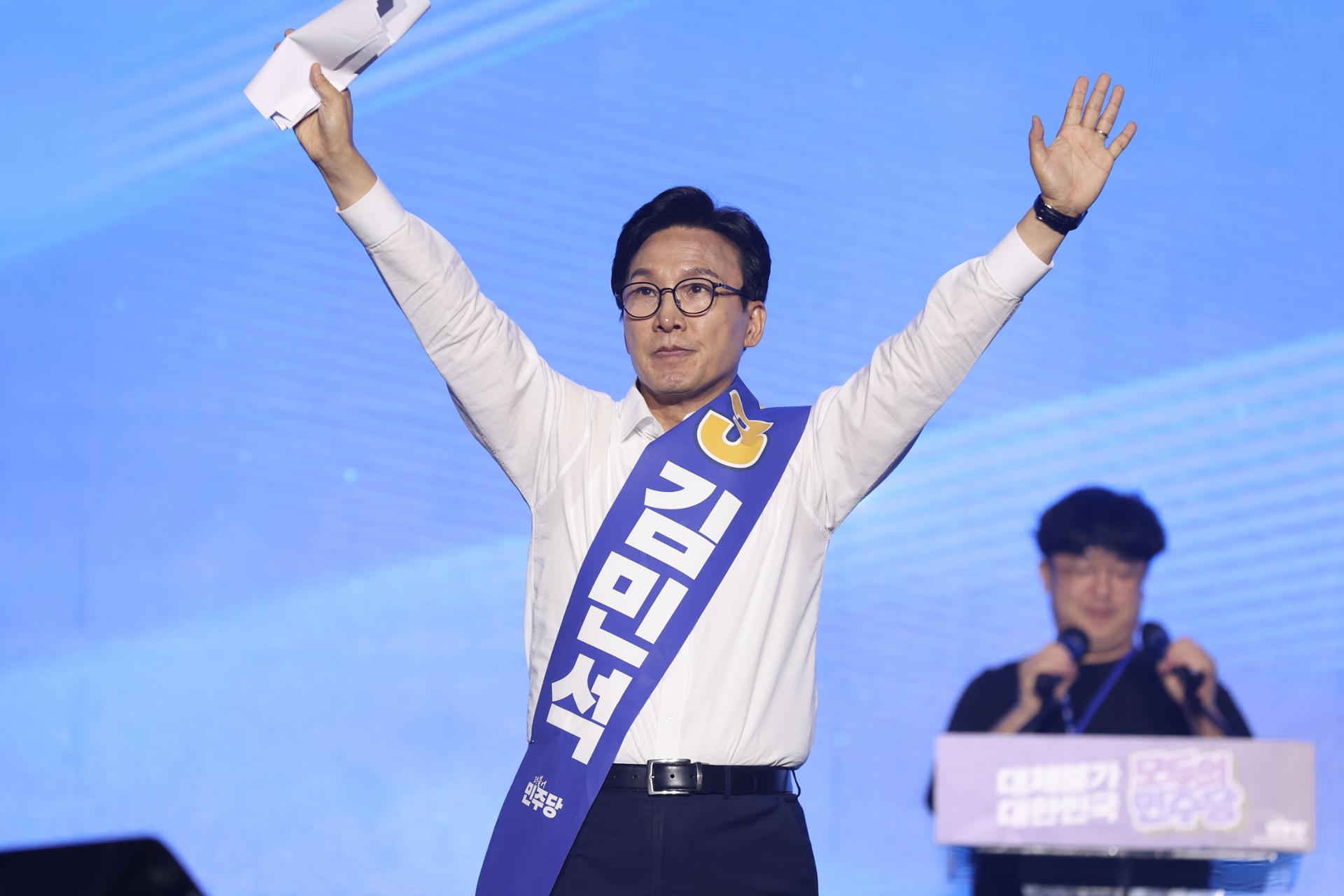
President Lee Jae Myung's election victory signifies a strengthening of ties between his Democratic Party of Korea (DPK) and the ruling party, following the selection of Kim Min-seok as the party's new leader. This development comes as a relief to President Lee, who had previously expressed concerns over potential political friction between the two factions.
Kim Min-seok, who previously served as prime minister under the Lee administration, is poised to maintain a close working relationship with the presidential office as the new head of the DPK. His familiarity with key policy issues from his time in office positions him well for this role. The two leaders had previously collaborated on numerous key policy matters, establishing a solid foundation for their partnership.
During the campaign, Kim made it a central theme of his platform to emphasize the importance of maintaining close coordination between the ruling party and the presidential office. He argued that any friction or tension between the two entities would be detrimental to the government's overall performance and to President Lee himself. This message seems to have struck a chord with voters, particularly as both Lee's approval ratings and those of the ruling party have been in decline over the past few weeks.
Kim campaigned as a leader dedicated to working in harmony with the government, rather than seeking to create divisions between the ruling party and the presidential office. This approach has resonated with a significant portion of the electorate, as they seek stability and unity in their political landscape. Political analyst Eom Kyeong-young, from the Zeitgeist Institute, commented on the significance of Kim's victory, stating that it reflects a growing desire for a more collaborative and unified approach to governance.
Written by urgent.news from The Korea Times's reporting — not their text. Machine-written — may contain errors; check the original before relying on it.