Europe’s heatwaves expose insurance gap as business losses mount
Extreme heat often falls outside traditional business interruption insurance, exposing a growing protection gap for companies across Europe.
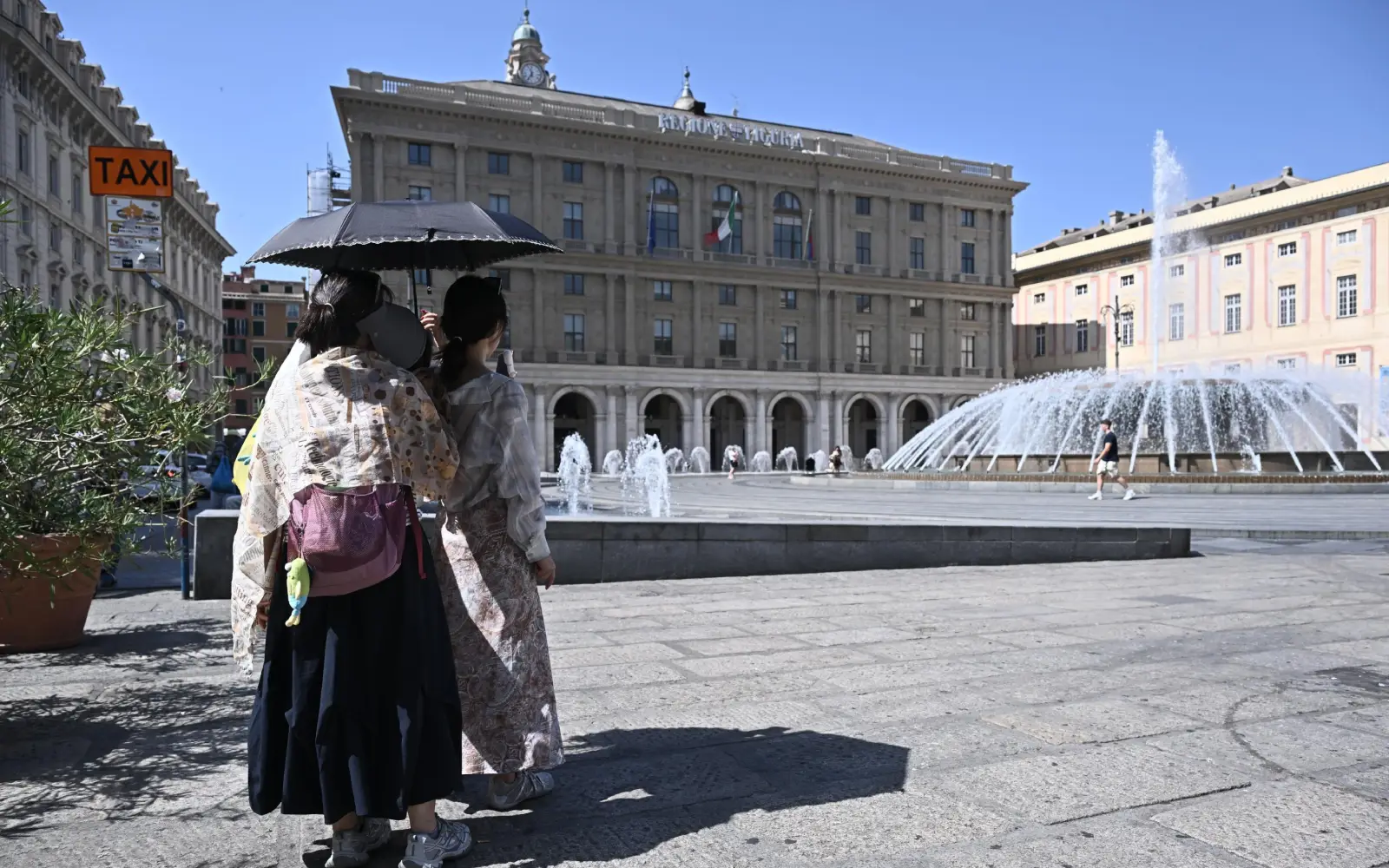
Europe's recent heatwaves have exposed a significant insurance gap, as businesses suffer mounting losses while insurers only generate modest payouts. Moody's estimates that last summer's European heatwaves resulted in €43 billion (US$50 billion) in lost economic output, but only about €500 million in insured payouts.
In Padua, Italy, a traditional 6-7 pm aperitivo (evening drink) has become obsolete, with businesses shifting to indoor settings due to the extreme heat. Federica Luni, president of the hospitality association APPE Padova, noted that the outdoor terraces and terraces remain unused during heatwaves, leading to a decline in sales for many hospitality businesses.
More than 80% of surveyed hospitality businesses in Padua reported a 20% turnover decline during the recent heatwave, which wipes out their margins. For insurers, heatwaves create challenges in coverage as they often stem from indirect operational disruptions rather than property damage. Extreme heat rarely causes catastrophic physical damage like floods or storms, but the financial disruption it triggers can be equally severe.
Heatwaves act as compound risks, interacting with drought, wildfires, and water shortages, making them harder to model and insure than other natural catastrophes. In Europe, the fastest-warming continent, the average temperature was nearly 10°C (18°F) above the 1961-1990 average on August 11.
To address this gap, insurers are exploring parametric insurance products that pay out automatically when temperatures exceed predefined thresholds. These policies do not require lengthy loss-adjustment processes and are expected to reach US$7.93 billion by 2031, with a compound annual growth rate of 9.5% between 2025 and 2032.
While parametric insurance can help businesses manage heat-related risks, many companies will need to focus on adapting their operations to withstand more frequent periods of extreme heat. This may involve investing in cooling technologies, redesigning workplaces, and stress-testing supply chains.
Written by urgent.news from Free Malaysia Today's reporting — not their text. Machine-written — may contain errors; check the original before relying on it.
This story
This is one outlet's version. Read the fullest account.
- Europe’s Heatwaves Expose Insurance Gap as Business Losses Mount insurancejournal.com
- Europe’s heatwaves expose insurance gap as business losses mount freemalaysiatoday.com