E. coli in railway station water: Doctor explains what it means for you
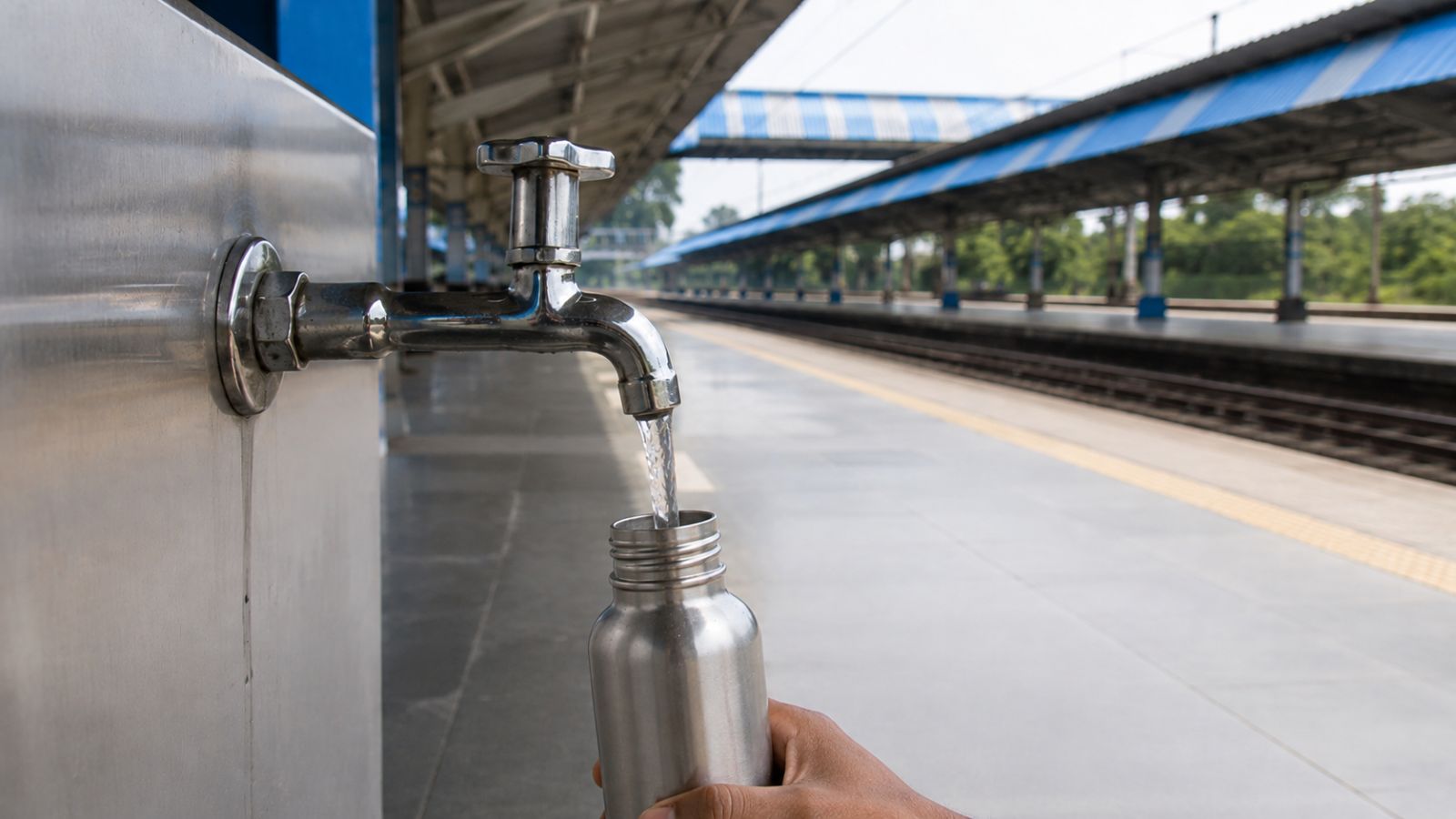
The Comptroller and Auditor General (CAG) has revealed that E. coli bacteria, which can cause severe illness, have been detected in the water fountains of eight railway stations across India. The CAG's audit of passenger amenities and sanitation at non-suburban stations found the presence of total coliform bacteria, including E. coli, in tap water samples from various stations in different years.
Dr Sanjay Verma, an additional director at Fortis Hospital, explained that the presence of E. coli is a warning sign, indicating potential contamination with faecal matter and a risk of disease-causing organisms entering the water supply. While most infections resolve with supportive care, severe symptoms such as bloody diarrhoea, severe abdominal pain, persistent vomiting, dehydration, or reduced urine output should be taken seriously and treated promptly.
E. coli, or Escherichia coli, is a group of bacteria commonly found in the intestines of humans and animals. Most strains are harmless, but disease-causing strains can contaminate food or drinking water, posing a significant health risk. The symptoms of an E. coli infection can mimic those of other gastrointestinal infections, including diarrhoea, abdominal cramps, nausea, and vomiting.
However, bloody diarrhoea, severe abdominal pain, and reduced urine output are particularly concerning and warrant immediate medical attention.
Diagnosing an E. coli infection typically involves a clinical assessment and stool testing, which can identify the bacteria or detect the presence of Shiga toxin, a potent toxin produced by certain strains of E. coli. Treatment depends on the specific strain and the patient's clinical condition. Antibiotics are generally avoided in cases of Shiga-toxin-producing E. coli infections, as they may increase the risk of kidney damage.
Instead, supportive care, proper hydration, and monitoring for potential complications such as anaemia or acute kidney injury are the primary focus.
In cases where dehydration or severe symptoms are present, intravenous fluids or hospital treatment may be necessary. It is crucial for patients to resist the urge to self-medicate with anti-diarrhoea medications without medical advice, as this could mask the symptoms and potentially worsen the condition. The presence of E. coli in railway station water highlights the importance of maintaining proper sanitation and filtration systems to ensure the safety of passengers' drinking water.
Written by urgent.news from The Indian Express's reporting — not their text. Machine-written — may contain errors; check the original before relying on it.