DR Congo Ebola outbreak becomes country’s deadliest
The DRC’s latest Ebola outbreak has killed 2,325 people, making it the country’s deadliest outbreak on record. Nearly 5,000 cases have been confirmed as the virus spreads to a sixth province, while health authorities work to tackle mistrust and contain transmission. Two vaccines have also entered early human trials.
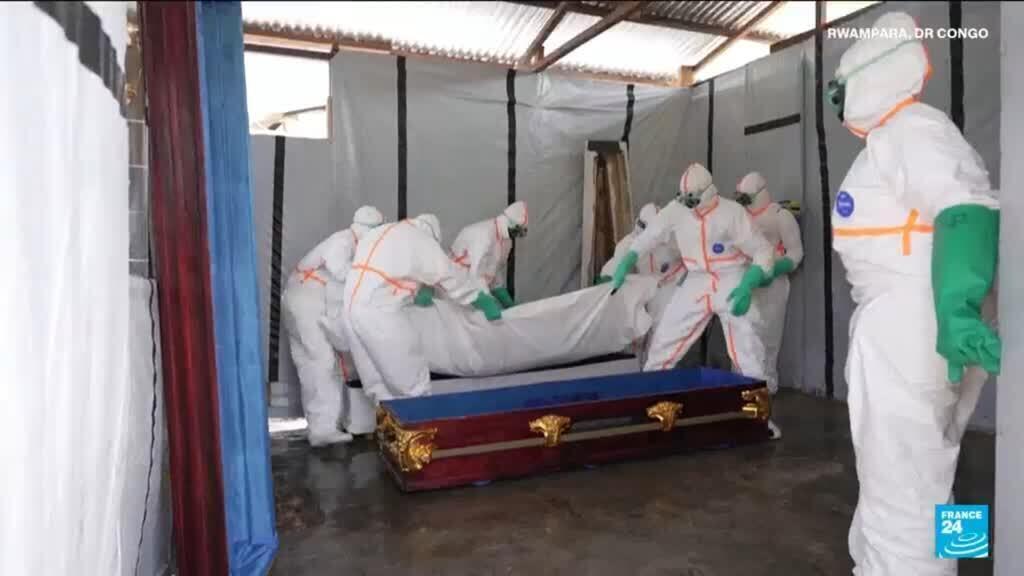
The Ebola outbreak in the Democratic Republic of Congo has now claimed over 2,300 lives, marking it as the deadliest outbreak in the nation's history, according to health officials. Since May when the outbreak was declared, there have been 4,945 confirmed cases, including 101 new cases in just 24 hours, reported by the BBC on Monday.
The virus has reached six of the country's 26 provinces, raising concerns about its rapid transmission. This current outbreak is caused by the Bundibugyo species of Ebola, a rare strain that has only seen two previous outbreaks. Unlike the Zaire species that caused several major Ebola epidemics, there is no approved vaccine specifically for Bundibugyo Ebola.
Public health officials have described this outbreak as exceptionally fast-moving, with the United Nations humanitarian chief warning of approximately one death every 30 minutes at its peak. The virus remains largely confined to the Democratic Republic of Congo, with cases also reported in neighboring Uganda and a small number in Europe.
Containment efforts are underway, with the World Health Organization aiming to control transmission within three months. However, health officials caution that controlling transmission does not guarantee the outbreak will end immediately. Scientists are also working on developing vaccines against the Bundibugyo strain. The latest outbreak, the 17th recorded in the Democratic Republic of Congo since the virus's identification 50 years ago, poses challenges due to years of conflict, population movement, and strain on the country's health system.
As cases continue to rise, health authorities are bolstering surveillance, treatment, and infection-control measures to slow the disease's spread.
Written by urgent.news from Punch Nigeria's reporting — not their text. Machine-written — may contain errors; check the original before relying on it.
This story
This is one outlet's version. Read the fullest account.