China’s space race has a new problem: finding room for failure
There is something about the speed of consensus on China’s rocket failures that should give us pause. Within hours of Long March-7A rocket’s disintegration over the South China Sea on August 10, trade reports were pointing to an engine as the likely culprit. The China Aerospace Science and Technology Corporation (CASC) had said nothing of the kind. An official Xinhua report about three hours…
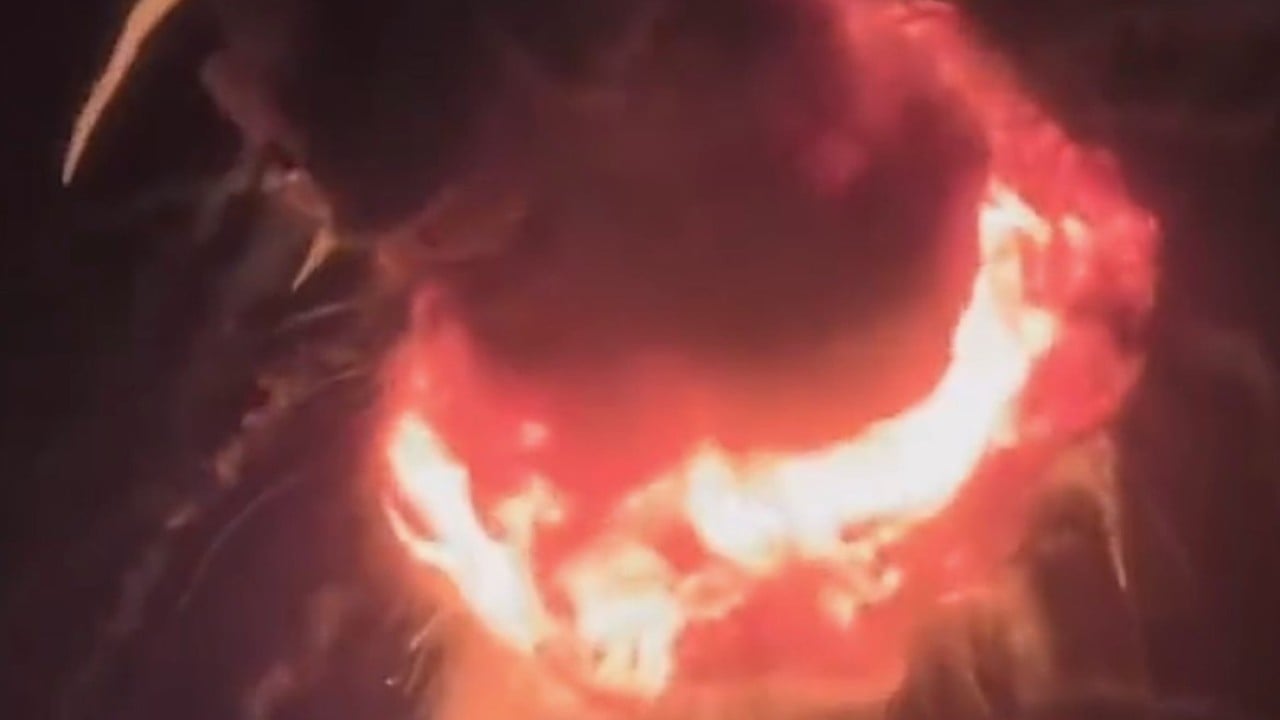
The recent failure of China's Long March-7A rocket during its launch on August 10 has introduced a new challenge for the country's space program: accommodating failures within its ambitious launch targets. Hours after the disaster over the South China Sea, trade reports quickly identified an engine as the probable cause, while the official China Aerospace Science and Technology Corporation (CASC) remained silent.
An Xinhua report, published three hours post-launch, described only a "flight anomaly" and initiated an investigation. The root cause remains undisclosed, but two hypotheses have emerged without official endorsement. One suggests a fault with the YF-100 engine powering the rocket's first stage and boosters, which is also used in other Long March variants.
The other hypothesis points to structural failure near Max-Q - the point of maximum aerodynamic stress during ascent. Independent trackers, after scrutinizing launch footage frame by frame, support the latter explanation, arguing that the brief engine anomaly observed prior to the breakup transpired too swiftly to account for subsequent events.
However, these insights remain speculative and not confirmed findings. The failure occurred approximately 85 seconds into the launch, well before the third stage's ignition, which was implicated in a January Long March-3B failure involving a different engine. Neither failure shares a common cause, despite both occurring during the early stages of flight.
The 7A's previous mishap, in 2020, was attributed to a liquid-oxygen flow issue in a booster engine. This historical pattern of early-stage failures does not necessarily imply a shared cause. China's rocket mishap in January this year destroyed the experimental satellite Shijian-32 and grounded both the 3B and 7A rockets for about five months, causing delays to several high-orbit missions.
Following this grounding, the 3B resumed operation on June 16, and the 7A followed a week later. The subsequent rapid sequence of launches - the 7A's 16th mission that week, 17th on July 29, and the disastrous 18th on August 10 - underscores the pressure to recover lost time, though the reasons behind this accelerated pace remain unclear.
China aims to conduct around 140 orbital launches this year, a significant increase from last year, with 56 attempts so far in 2023, resulting in four vehicle losses - a trend that raises concerns. January's two rocket failures within 12 hours of each other, involving the Long March 3B and the debut of Ceres-2, a commercial rocket, underscore this urgency.
April's third loss - Space Pioneer's Tianlong-3, which exploded in its engine bay 33 seconds after launch - further highlights the issues. While these failures may not automatically ground China's lunar lander, Chang'e-7, which also uses the YF-100 engine, the investigation's findings will determine the impact on its schedule. The limited damage to the 7A, according to Blaine Curcio, a China space sector analyst, does not suggest a widespread impact on the program.
However, the question remains whether the ambitious 140-launch target can accommodate such a thorough investigation without delaying other missions. The CASC and external observers await the investigation's outcome, contemplating whether the program can sustain this pace without sacrificing safety or delaying critical missions.
Written by urgent.news from South China Morning Post's reporting — not their text. Machine-written — may contain errors; check the original before relying on it.
This story
This is one outlet's version. Read the fullest account.