China new home prices extend declines in July
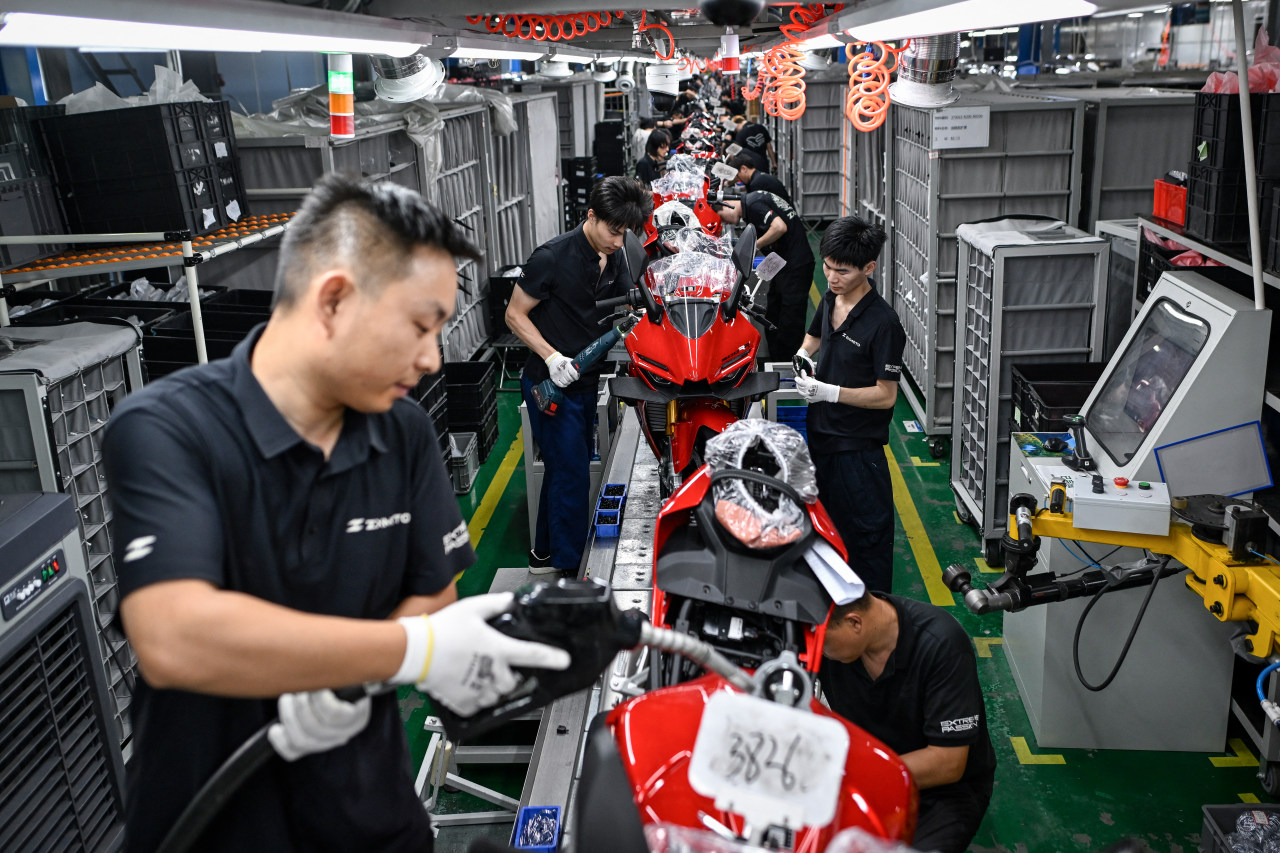
In July, China's industrial output growth slowed to 4.5% year-over-year, down from 5.3% in June, according to data from the National Bureau of Statistics. This figure fell short of expectations for a 4.8% increase, as reported by Reuters on Monday. The slowdown in industrial output can be attributed to the impact of extreme weather, which included three typhoons making landfall and the relocation of millions of people across China's eastern and southern manufacturing regions.
Retail sales growth also lagged, expanding by 0.6% in July, compared to a 1% increase in June. Analysts had anticipated a 1.5% growth rate. Policymakers have been utilizing trade-in subsidies to support consumers in purchasing durable goods such as automobiles and home appliances; however, the pace of subsidy distribution weakened in July, with daily sales averaging 6.3 billion yuan ($934.8 million), a decline from 9 billion yuan in June.
Auto sales experienced a 10th consecutive monthly decline in July, albeit at a slower rate, while external demand continues to bolster the automotive industry. Fixed-asset investment contracted by 6.7% during the first seven months of 2026, falling short of the expected 6% decline and further contracting to 5.7% in the January-June period.
Economic indicators from early July highlighted a weak start to the third quarter, with the official manufacturing purchasing managers’ index showing a contraction for the first time. Export and import growth also moderated from June, although both remained in double-digit territory. Despite robust exports driven by the global AI infrastructure buildout, weak domestic demand remains a significant risk, rendering the economy susceptible to shocks like weather disruptions and trade barriers.
China has posted a monthly surplus of over $100 billion in trade, with the annual total projected to surpass $1 trillion for the second consecutive year, causing unease among trading partners. The European Union is considering stricter measures to address its trade deficit with China, while the U.S. announced new tariffs on Chinese goods.
Although Chinese leaders have pledged to bolster the slowing economy through increased fiscal spending and the introduction of new policies, they have not yet signaled major new stimulus measures.
Written by urgent.news from Investing.com's reporting — not their text. Machine-written — may contain errors; check the original before relying on it.
This story
This is one outlet's version. Read the fullest account.
- China’s first‑tier new home prices flat in July, ending 4‑month rebound scmp.com
- China’s retail sales, factory activity lagged in July punchng.com
- 0.6%: China’s Retail Sales miss expectations in July fxstreet.com
- China's economy slows further in July as retail sales barely grow, investment slump steepens cnbc.com
- China’s retail sales, factory activity lagged in July freemalaysiatoday.com
- China’s industrial output slows in July, retail sales miss forecasts investing.com
- China's industrial output slows in July, retail sales miss forecasts channelnewsasia.com