Canopus star’s appearance signals end of peak summer heat
Astronomy enthusiasts in Saudi Arabia await the appearance of Canopus, a star long associated with seasonal change and the easing of summer’s intensity.
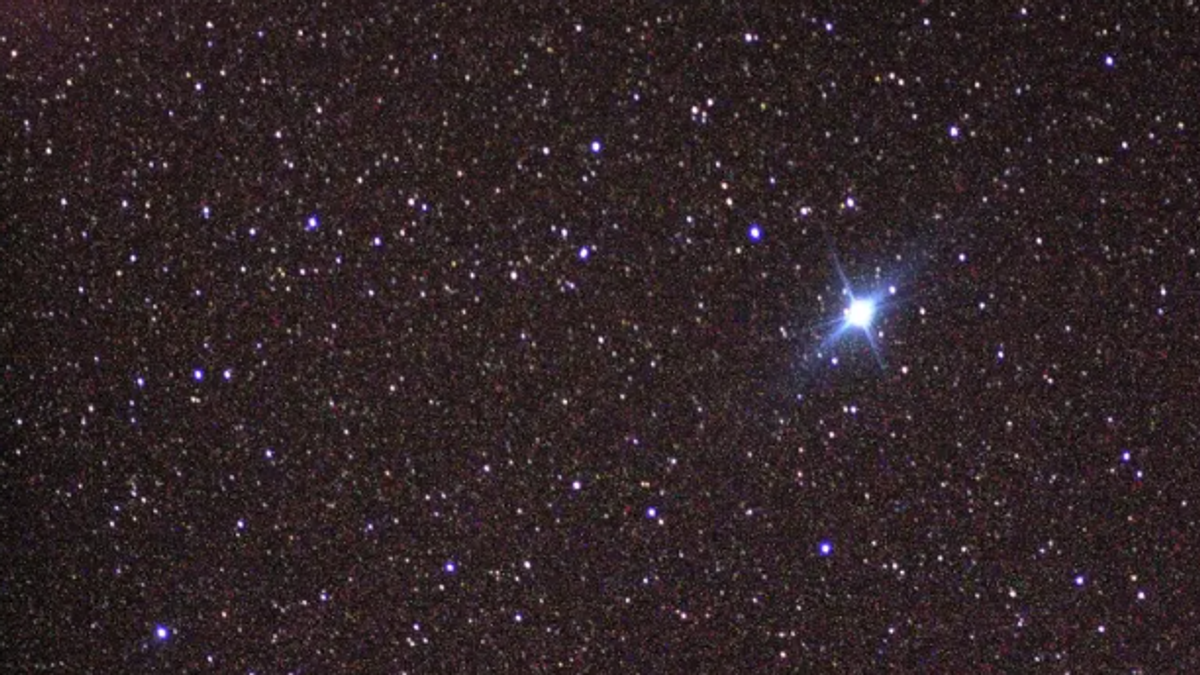
Astronomy aficionados in Saudi Arabia are eagerly awaiting the appearance of Canopus, a luminous star that signals the end of sweltering summer temperatures and the onset of milder autumn weather. Canopus, also known as Suhail in Arabic, is the second brightest celestial body in the night sky, surpassed only by Sirius. Positioned roughly 310 light-years away, this star belongs to the Carina constellation.
Mohammed Enad Al-Huzaimi, a member of the Astronomy and Space Club, explained that Canopus first emerges in the Northern Borders region on August 26 each year, rising at approximately 5:51 a.m., mere minutes before sunrise at 5:52 a.m. This proximity to dawn makes it challenging to spot with the naked eye at first, as the star's brightness is overshadowed by the rising sun.
However, by September, Canopus becomes visible to the naked eye, rising earlier and climbing higher above the southern horizon before the sun ascends, provided the skies remain clear and the horizon remains unobstructed.
Traditionally, Arabs have regarded the appearance of Canopus as a crucial seasonal indicator, marking the transition from intense summer heat to more temperate conditions. Its appearance coincides with the beginning of agricultural activities, shifts in grazing patterns, and migration of local wildlife, making it a fundamental element of the region's astronomical and cultural heritage.
Despite its association with weather changes, Canopus does not directly influence these shifts; rather, it serves as a celestial marker aligning with Earth's orbital motion around the sun and the gradual alterations in sunlight's angle and duration.
In traditional timing, the Canopus season spans 52 days, segmented into four distinct phases, each lasting 13 days: Al-Tarfah, Al-Jabha, Al-Zubra, and Al-Sarfa. The final phase, Al-Sarfa, is linked in folklore to the gradual retreat of extreme heat. For centuries, Canopus has captivated Bedouins, farmers, and weather observers in the Arabian Peninsula, symbolizing the shift from the peak of summer to more moderate conditions—a phenomenon that weaves together astronomical observation with enduring cultural traditions.
Written by urgent.news from Ajel English's reporting — not their text. Machine-written — may contain errors; check the original before relying on it.