Brain scans reveal lasting tissue and chemical changes in both long COVID and recovered patients
Brain scans reveal that COVID-19 may leave a lasting physical imprint on the brain. A recent study found altered tissue structure and chemical imbalances in both long COVID patients and those who fully recovered from the virus.
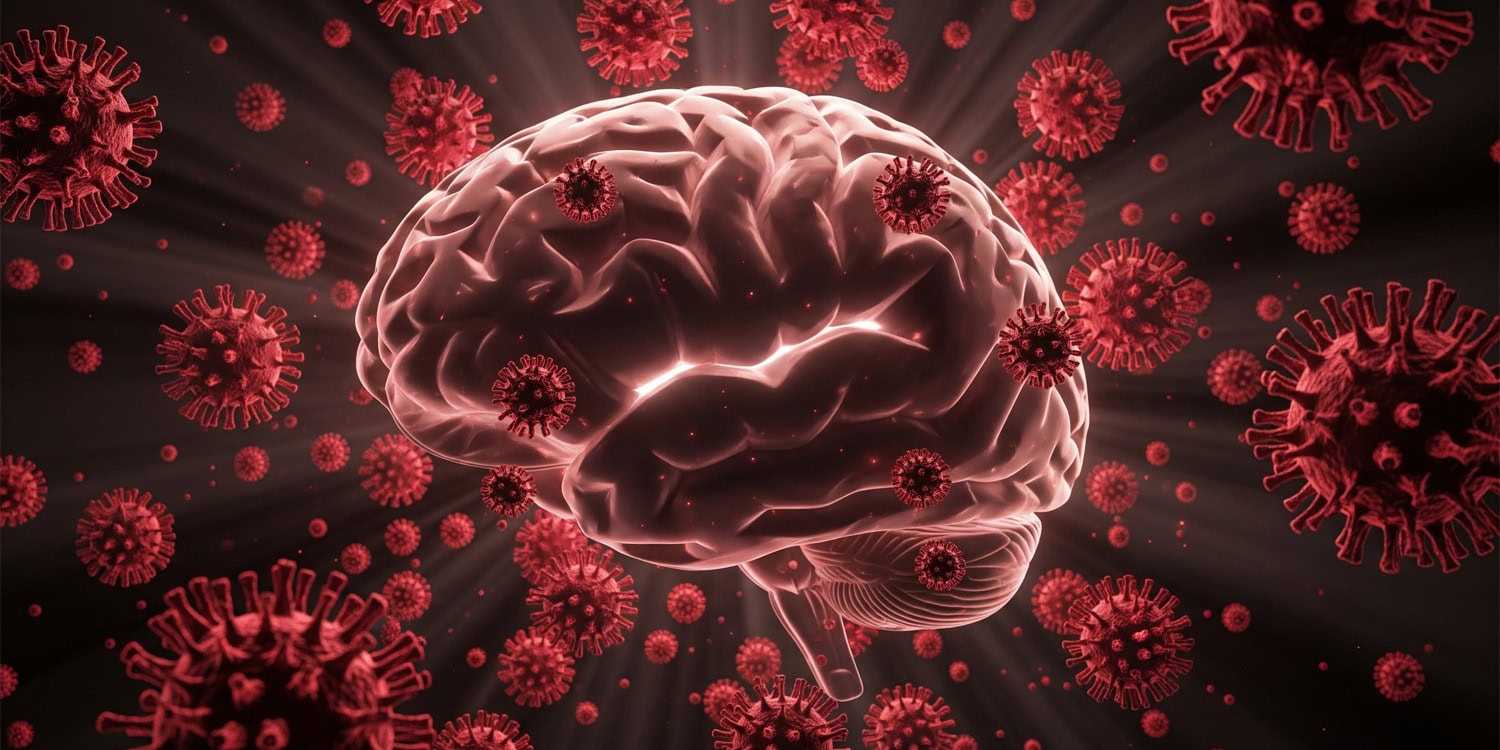
Recent brain scanning research reveals lasting physical and chemical changes in the brains of both long COVID patients and those who fully recovered from the virus. Published in the journal Brain, Behavior, & Immunity – Health, the study compared the brains of 47 individuals, including 19 with long COVID, 12 who fully recovered, and 16 never infected with COVID-19. The virus can cause persistent neurological symptoms like brain fog, fatigue, and memory issues, even after the infection resolves.
Using advanced medical imaging techniques, researchers measured changes in myelin, the insulating sheath around nerve cells, water diffusion in brain tissue, and neurochemicals. Myelin damage can slow down or disrupt electrical signals in the brain, while altered water diffusion may indicate structural damage. Changes in neurochemicals can reveal how brain cells communicate and function.
The scans showed elevated myelin signals in the precentral gyrus and middle temporal gyrus in both long COVID patients and recovered individuals, regions involved in motor control and memory. These elevated signals may suggest the brain attempting to repair damaged myelin or ongoing inflammation. Water diffusion was reduced in certain brain regions for long COVID patients, including the caudate region, which is linked to learning and memory.
The chemical analysis found higher levels of N-acetyl-aspartate in long COVID patients and higher levels of glutamine in the recovered group.
Lower myelin signals in the middle temporal gyrus correlated with greater physical impairment in long COVID patients, while lower signals in the midbrain were associated with worse cognitive dysfunction. These findings suggest that myelin health is linked to the severity of long COVID symptoms. While the study provides an initial look at the brain's lasting imprint following a viral infection, its small sample size and lack of long-term tracking limit the conclusions. Further research is needed to confirm these findings and understand the mechanisms behind them.
Written by urgent.news from PsyPost's reporting — not their text. Machine-written — may contain errors; check the original before relying on it.