There’s Pretty Much No Good Way to Fight an Electric Vehicle Fire, New Study Finds
"Applying copious amounts of water to the battery enclosure is wasteful and will not stop thermal runaway." The post There’s Pretty Much No Good Way to Fight an Electric Vehicle Fire, New Study Finds appeared first on Futurism .
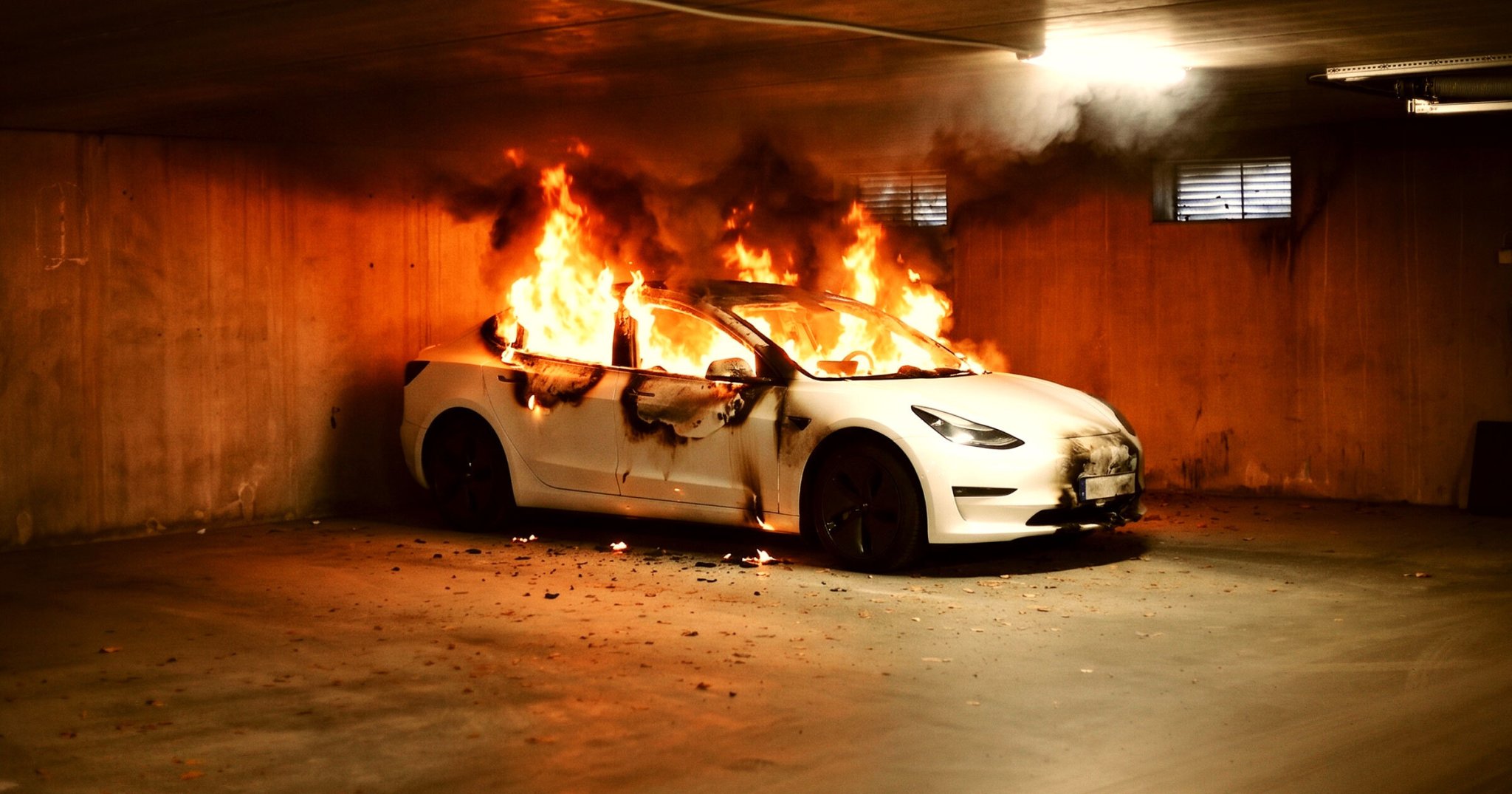
Electric vehicles provide numerous advantages, including instant torque, fuel savings, and reduced environmental impact. However, they present a unique challenge when it comes to combating fires — they are far more difficult to extinguish compared to traditional gas-powered vehicles. This is due to a phenomenon known as thermal runaway, a chain reaction fueled by chemicals present in the lithium-ion batteries of EVs.
As the popularity of EVs has surged over the past decade, fire fighters have experimented with various methods to control thermal runaway, from large water containment systems to chemical mixtures and even massive wet blankets. Despite these efforts, a comprehensive study conducted by the UL Research Institutes' Fire Safety Research Institute has concluded that there is no better way to extinguish a burning EV than the straightforward method of using a firehose.
The study analyzed 18 experimental burns, with nine of them subjected to different suppression techniques. While the report delves into numerous insights regarding EV fires, the primary takeaway is that advanced solutions like vehicle blankets and chemical additives are ineffective against the quenching power of vast quantities of water.
Nonetheless, this does not imply that a direct water attack is an ideal approach for combating EV fires; rather, it is the most viable option among a range of subpar choices. Essentially, once thermal runaway has begun — typically due to overheating, punctures, or overcharging — water's role is limited to controlling flames, yet it remains unable to halt the combustion process altogether.
The report's authors emphasize that "applying copious amounts of water to the battery enclosure is wasteful and will not stop thermal runaway." Moreover, using water in an uninvolved battery could potentially escalate the risk of re-ignition. Consequently, incidents such as the 2024 Tesla Semi fire, where firefighters blocked a highway for 15 hours and deployed 50,000 gallons of water to control the inferno, represent the best-case scenario for the foreseeable future.
Written by urgent.news from Futurism's reporting — not their text. Machine-written — may contain errors; check the original before relying on it.