Hawaii’s 1905 mosquitofish import now linked to native species decline
The introduction of mosquitofish in Hawaii has dramatically affected the ecosystem, leading to notable declines in native aquatic insects. These invasive fish fiercely prey on local species, disrupting food chains. The native damselflies, unprepared for such predation, are particularly vulnerable, seeing their populations plummet. Additionally, mosquitofish compete with endemic fish and…
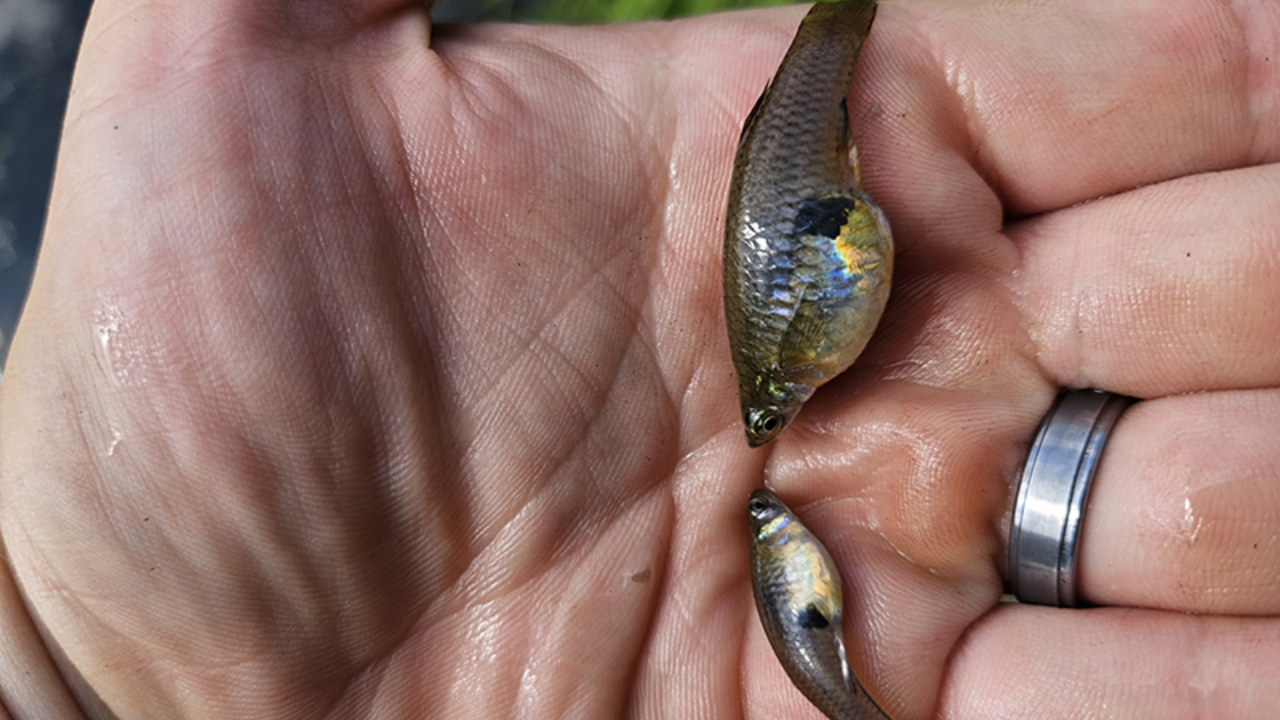
In 1905, eastern mosquitofish (Gambusia affinis) were imported to Hawaii to curb mosquito-borne diseases. However, their presence has led to a significant decline in native aquatic insects, including several threatened damselfly species. The USFWS identifies predation by these introduced fish as a major factor in the population decline of native damselflies.
Native Hawaiian streams previously had few freshwater predators, allowing damselfy species to evolve without defenses against fast-moving fish. When mosquitofish spread to lower and middle elevation streams, they began preying on young damselflies, known as naiads, which inhabit calm pools and stream edges. The USFWS classifies the mosquitofish as a high ecological risk species due to its rapid reproduction, adaptability to various water temperatures, and ability to survive in low-oxygen conditions.
Beyond damselflies, mosquitofish also compete with native stream fish, like endemic freshwater gobies (o opu), and consume native freshwater crustaceans such as shrimp (o pae kala ole). Their feeding habits can also impact algae on streambeds by eliminating organisms that help control plant growth. Controlling mosquitofish is challenging because they feed on more than just mosquito larvae, making them resilient even when mosquito populations decline.
Furthermore, their reproductive behavior allows a single pregnant female to establish a population quickly. Native species like the crimson Hawaiian damselfly (Megalagrion xanthe) and flying-earlobe Hawaiian damselfly (Megalagrion nigrohamatum) have disappeared from large portions of their former ranges on Oahu, Molokai, Maui, and Hawaii Island, where mosquitofish are now present.
Efforts to manage mosquitofish in Hawaii are difficult due to the islands' complex waterways. Conservation strategies focus on protecting high-elevation streams, installing barriers to prevent invasive fish from moving upstream, and releasing captive-bred Hawaiian damselflies into safer headwater streams. Federal assessments emphasize the importance of preventing the spread of mosquitofish to remote, high-elevation streams.
A century after their initial introduction, Hawaii's experience demonstrates how a species introduced for one purpose can lead to broader ecological issues, necessitating control measures and protection of vulnerable freshwater habitats.
Written by urgent.news from Times of India's reporting — not their text. Machine-written — may contain errors; check the original before relying on it.