Scoop: Inside Trump's secret backchannel to Iran's Revolutionary Guard
In mid-May, U.S. negotiators trying to reach a deal with Iran to end the war ran into a problem: They couldn't tell if the people across the table actually spoke for the country's powerful Islamic Revolutionary Guard Corps (IRGC). So Trump administration officials did something unconventional — they went around Iran's negotiators and reached out directly to IRGC leadership. The person they tapped…
In mid-May, U.S. negotiators attempting to secure a deal with Iran to end the war faced a hurdle: they couldn't ascertain if the individuals at the negotiating table genuinely represented Iran's influential Islamic Revolutionary Guard Corps (IRGC). In response, Trump administration officials took an unconventional approach, bypassing Iran's negotiators and establishing direct communication with IRGC leadership.
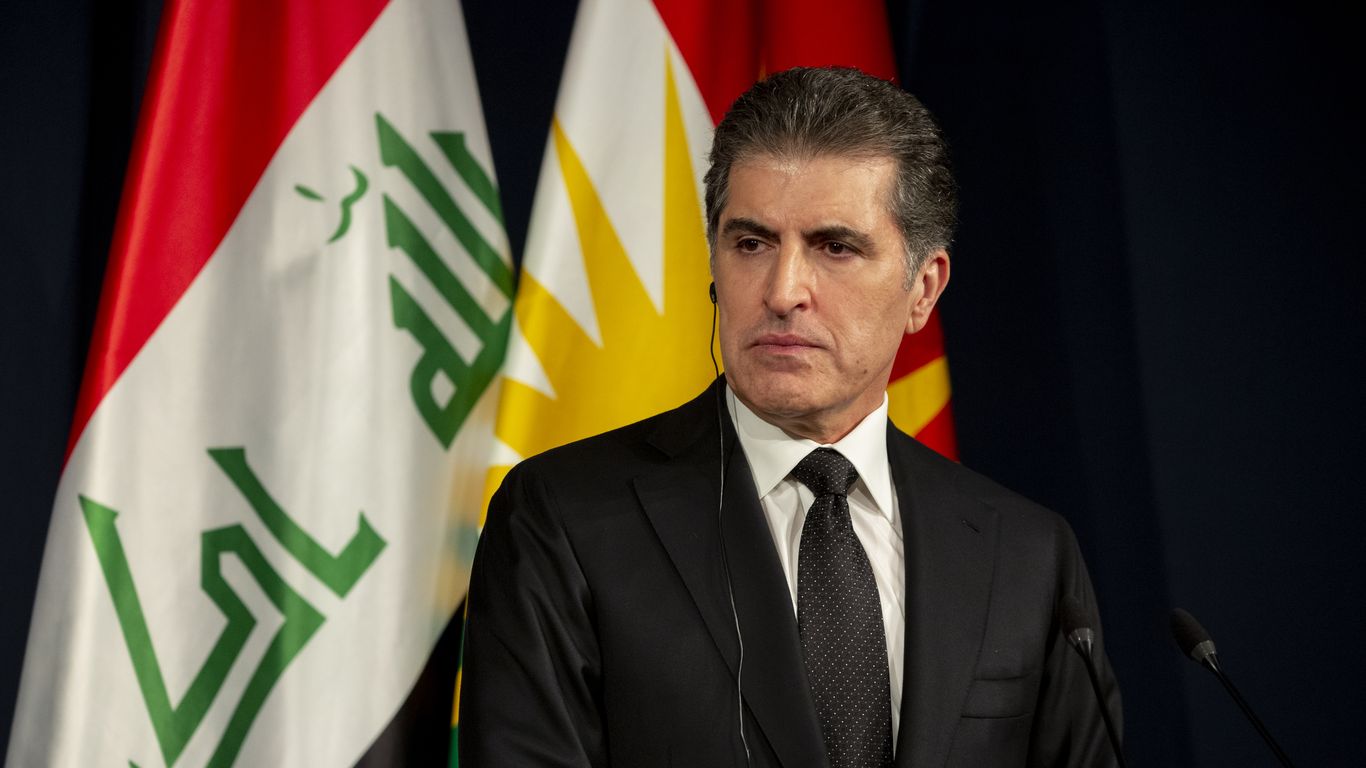
The intermediary chosen for this backchannel was Nechirvan Barzani, the president of Iraq's Kurdistan region, who possessed the trust of both U.S. and IRGC leaders. The incident, which has not been previously reported, sheds light on the challenges the U.S. encountered while negotiating with a country where its leadership's authority was unclear.
Despite reaching a memorandum of understanding, the deal ultimately fell apart. Today, the Trump administration struggles to ensure they are conversing with the actual decision-makers and must find trustworthy mediators for future negotiations. The ongoing conflict disrupted Iran's leadership, with the assassination of Supreme Leader Ali Khamenei and the absence of new Supreme Leader Mojtaba Khamenei during the war's initial days, solidifying the IRGC's influence over national security and foreign policy decisions.
In April, the U.S. and Iran attempted to negotiate an end to the war, but Iran delayed its response for over a week, raising suspicions that Iranian negotiators were being overruled by the IRGC. The White House sought a backchannel to IRGC leadership, and in May, then-Director of National Intelligence Tulsi Gabbard called Barzani.
With Barzani's assistance, the administration sought to confirm if IRGC leader General Ahmad Vahidi and the IRGC leadership agreed with the Iranian negotiators' terms. After Vahidi expressed his support for the Iranian negotiators, the administration proposed secret talks between U.S. and Iranian mediators in Erbil. However, the Iranians raised concerns about their security due to Israeli intelligence's presence in Iraqi Kurdistan.
The proposed meeting between the U.S. and Iranian negotiators in Erbil never took place. Despite the ongoing talks between Pakistan and Qatar, no significant progress has been made, and some sources believe the Pakistanis are providing optimistic assessments to maintain the illusion of momentum. Nechirvan Barzani has reached out to the White House to restart U.S.-Iran negotiations, but the primary obstacle remains Iran's stance on the Strait of Hormuz.
Written by urgent.news from Axios's reporting — not their text. Machine-written — may contain errors; check the original before relying on it.