Mass anti-war protests in Russia unlikely anytime soon
Ukraine may have hoped that intensified drone strikes inside Russia, including on oil refineries, would fuel anti-war protests, but mass demonstrations appear unlikely, The Atlantic reported on Aug. 17.
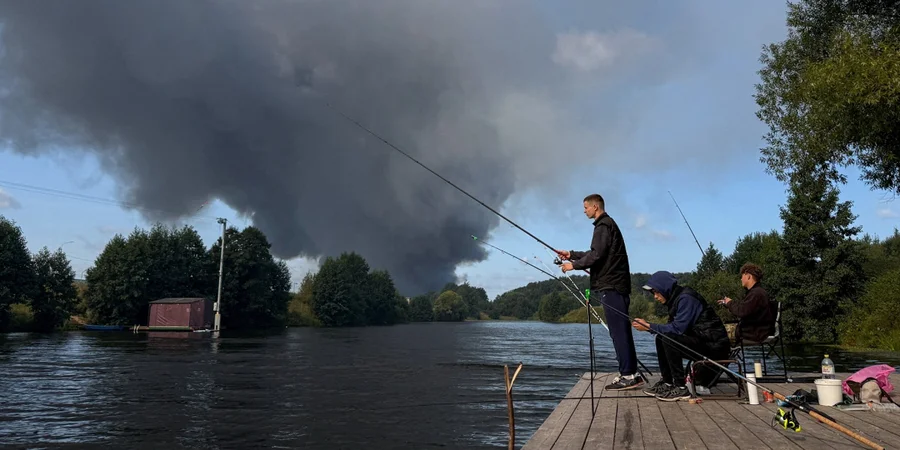
Ukraine and its allies may have hoped that harsh anti-war protests would erupt in Russia following intensified drone strikes, including on oil refineries, but mass demonstrations seem unlikely, according to The Atlantic's report on August 17. Widespread fuel shortages have resulted from the strikes, with long lines at gas stations and driver disputes.
Even Russian propagandists have acknowledged the issue. Despite the four-year conflict against Ukraine, The Atlantic suggests mass uprisings are unlikely now or in the near future. Russians have grown accustomed to scarcity since the Soviet era, with no widespread protests due to fear of repercussions. In 1962, protests against price increases in Novocherkassk were brutally suppressed by the Khrushchev government.
Today, Russians remain wary of authorities, with complaints often confined to family conversations. The article notes Moscow's appearance as a capital of a war of attrition, with numerous decorations and flower beds. The Kremlin has increased funding for Russia's National Guard and law enforcement agencies to over $47 billion. Ukrainian President Volodymyr Zelenskyy reported on August 8 that his 40-day operation had achieved significant results, estimating trillions of rubles in damage to Russian logistics from Ukrainian strikes.
Zelenskyy also mentioned internal Russian polls indicating a growing desire for the war's end and daily contact between Kyiv and Donald Trump's representatives to increase pressure on Russia. Zelenskyy stated that Putin does not want to end the war but will eventually do so, as Ukraine and its partners have a joint plan to apply pressure on him.
Written by urgent.news from New Voice of Ukraine's reporting — not their text. Machine-written — may contain errors; check the original before relying on it.