Major oil spill threatens Hara mangrove forests in Persian Gulf
The Hara mangrove forests, a vital ecological treasure of the Persian Gulf, are under threat from a major oil spill. These mangroves, primarily composed of grey mangrove trees (Avicennia marina), play a crucial role in the region's ecosystem. They have a unique filtration system in their roots that allows them to thrive in saline conditions, while also protecting the coast against erosion and acting as significant carbon sinks.
The forests are a UNESCO Biosphere Reserve and serve as an important nursery for marine life, providing shelter to shrimp, crabs, and numerous fish species that support the region's fisheries. They are also a major migratory hub for birds and a key component of sustainable tourism in Qeshm, an Iranian island in the Persian Gulf.
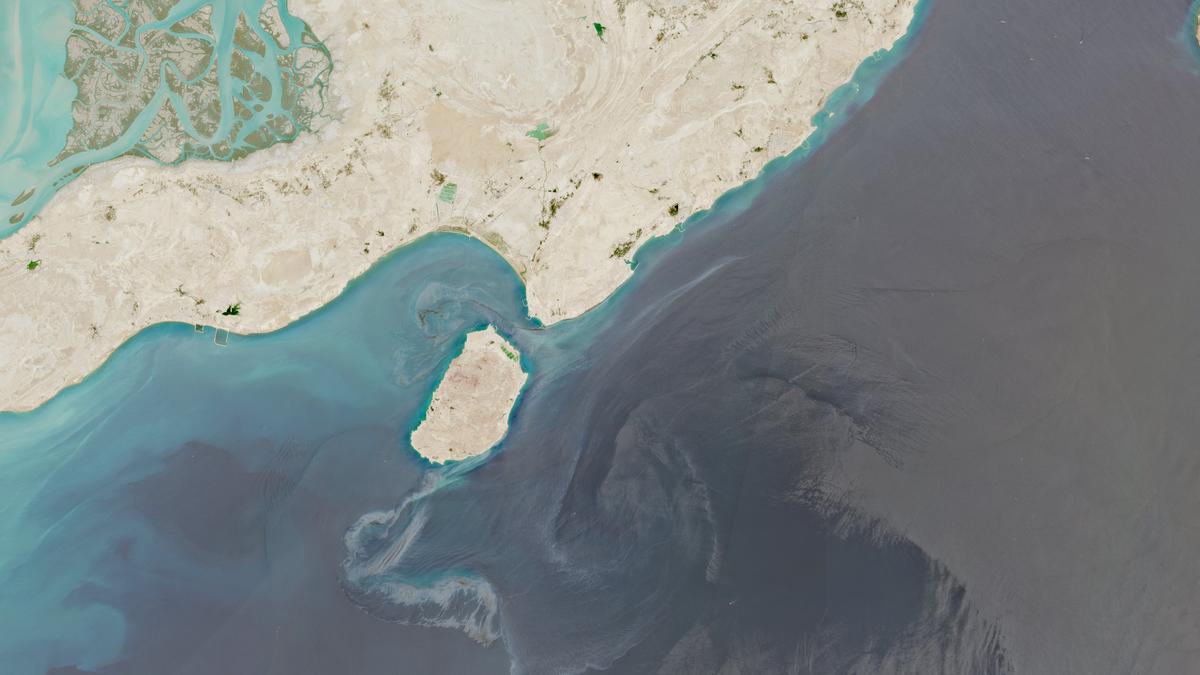
The current spill off Qeshm’s southern coast is a serious environmental threat. Satellite imagery has revealed a 160 km long slick from heavy fuel oil, some of which has already washed ashore. The source of the pollution is a bulk carrier, the Minoan Pioneer, which was struck by a projectile and has been leaking oil since. The ongoing conflict in the region is further complicating cleanup efforts, leaving the mangroves at great risk of devastation.
The Hara forests, with their biodiversity and ecological importance, are crucial not only for the local communities of Qeshm but also for preserving the natural heritage of the Gulf. Losing these forests would have catastrophic consequences for the local food chain and coastal defenses.
Written by urgent.news from The Hindu - Sci-Tech's reporting — not their text. Machine-written — may contain errors; check the original before relying on it.