India's housing future lies in climate-smart design
It’s 4.30 am and Kishor Mathew and his wife Betty are rolling out their yoga mats as the first rays of sunlight filter into their home in Kottayam, Kerala. Their house has already done much of the work. It has stayed naturally cool through the night, thanks to cross-ventilation, a wind tower that channels hot air out, deep overhangs that block the tropical sun, and a roof designed to breathe. The…
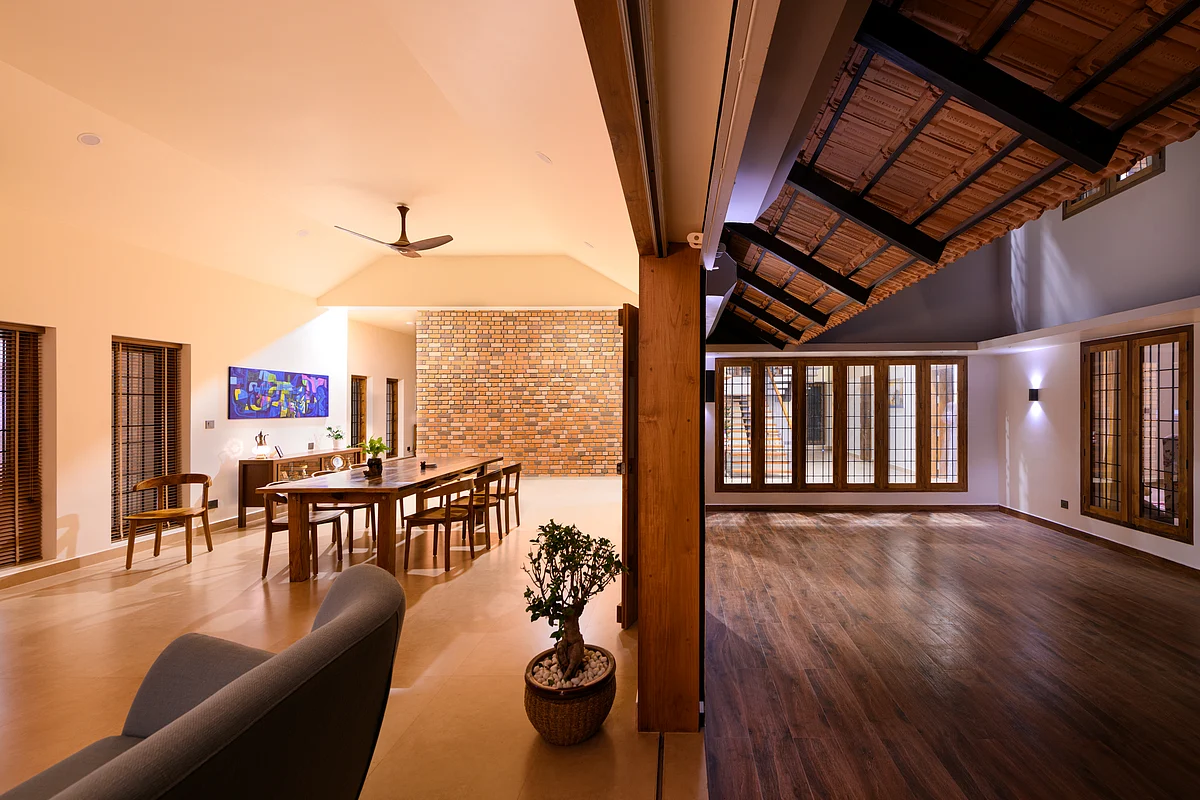
In the early hours of the morning, Kishor Mathew and his wife Betty gently unfold their yoga mats as warm sunlight enters their home in Kottayam, Kerala. The house has already proven its efficiency, maintaining a natural coolness throughout the night through cross-ventilation, a wind tower, deep overhangs, and a breathable roof.
Despite Kerala's scorching and humid summers, the interior remains comfortable without any air conditioning. The couple has lived in the house since 2021 and has not felt the need to install any cooling systems, only occasionally finding it slightly uncomfortable during peak summer. Their sustainable lifestyle includes compost nourishing fruit trees in the garden and noticeably lower electricity bills.
Across India, an increasing number of homeowners are opting for homes that harmonize with nature instead of clashing with it. With India's urban population expected to rise dramatically by 2050, while aiming for net-zero emissions by 2070, architects and developers are reevaluating building design. Multi-award-winning architect Amrutha Kishor, founder of Elemental, highlights the resurgence of climate-responsive design.
Rather than adhering to a one-size-fits-all approach, architects now tailor designs to the specific climate of each site, drawing inspiration from vernacular architecture and local wisdom. The Mathews' home exemplifies this philosophy, utilizing winds, stack ventilation, carefully positioned openings, insulated roofs, and ample shading.
Traditional Indian architectural elements, such as shaded courtyards, jalis, and ventilated interiors, are integrated with modern materials and engineering. Sustainability is viewed less as a technological advancement and more as thoughtful, climate-conscious design. Builders and developers are recognizing the commercial benefits of sustainability, such as reduced utility costs and environmental appeal.
This paradigm shift is transforming sustainability from a niche concept to a standard practice in architecture.
Written by urgent.news from Gulf News's reporting — not their text. Machine-written — may contain errors; check the original before relying on it.